
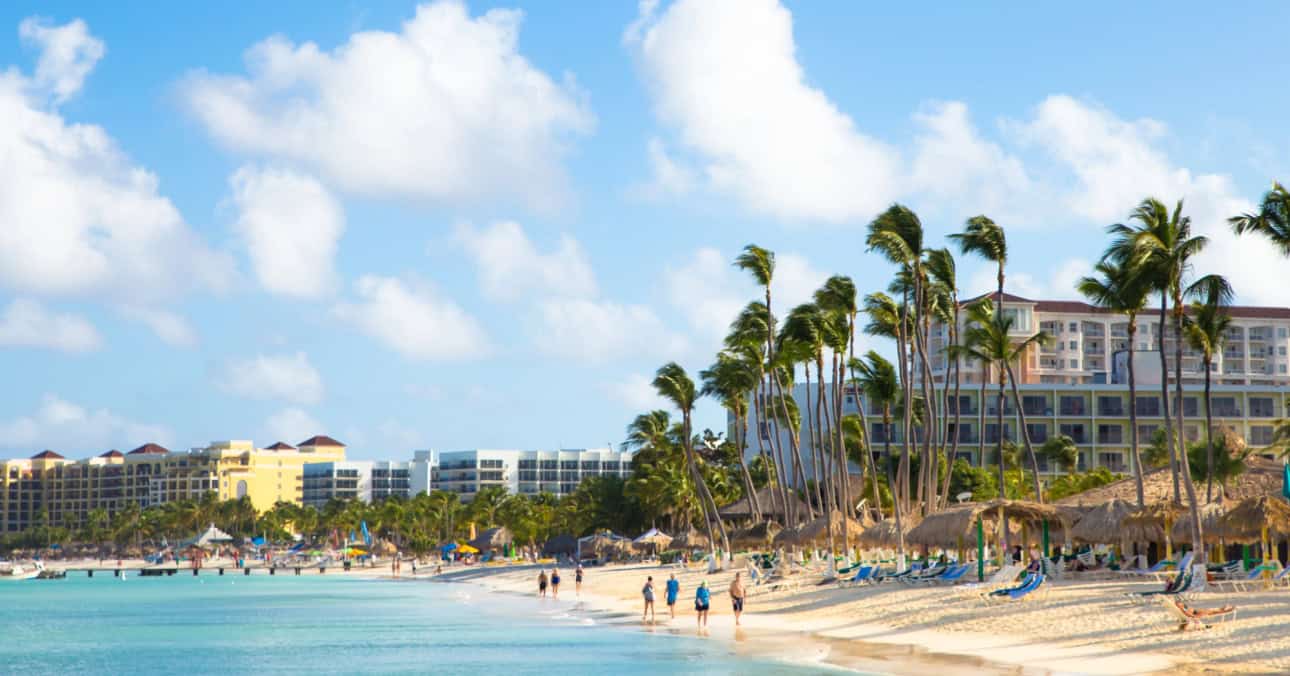
Aruba may be best known for its white sandy beaches, turquoise waters and year-round sunshine, but behind the familiar image of a Caribbean paradise lies a country with a complex history, a distinctive cultural identity and a long struggle for self-government. Since 1986, Aruba has been an autonomous country within the Kingdom of the Netherlands, charting its own course while maintaining constitutional ties with Europe.
Kingdom of the Netherlands: An introduction to the series
The Kingdom of the Netherlands is a unique construct: a modern state spanning Western Europe and the Caribbean. Often misunderstood as simply "the Netherlands", the Kingdom consists of four countries, each with its own identity, government and story.
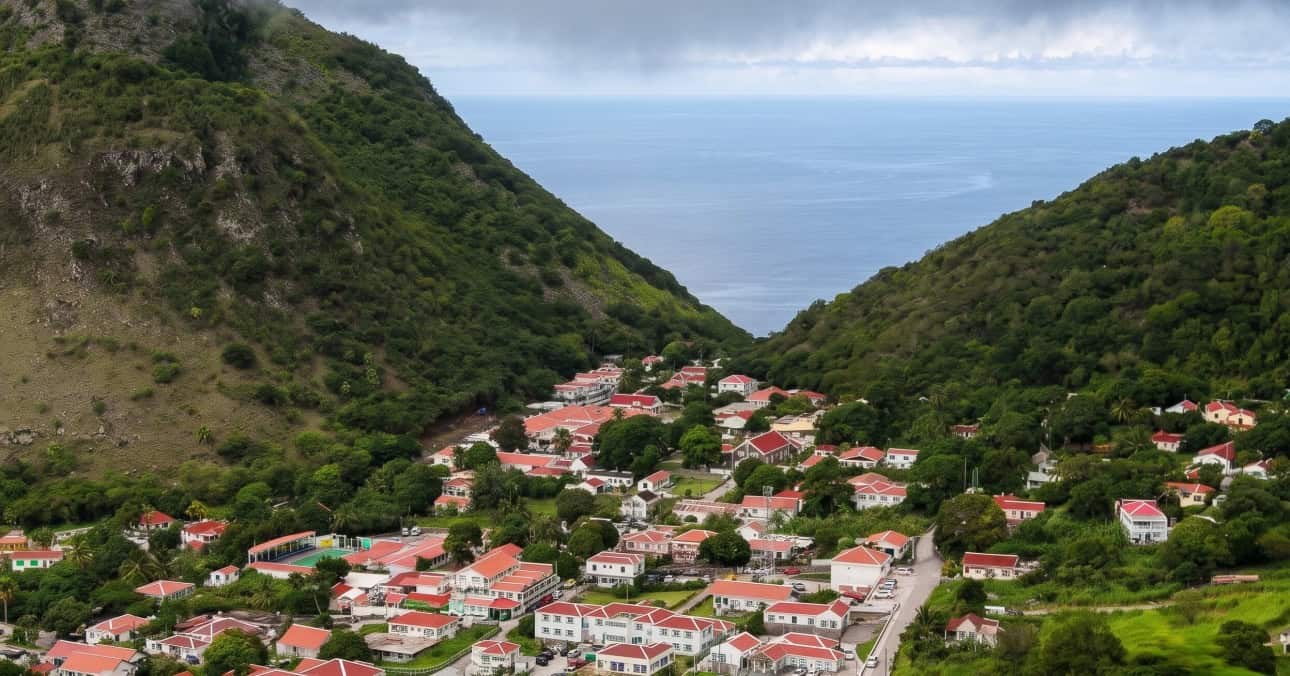
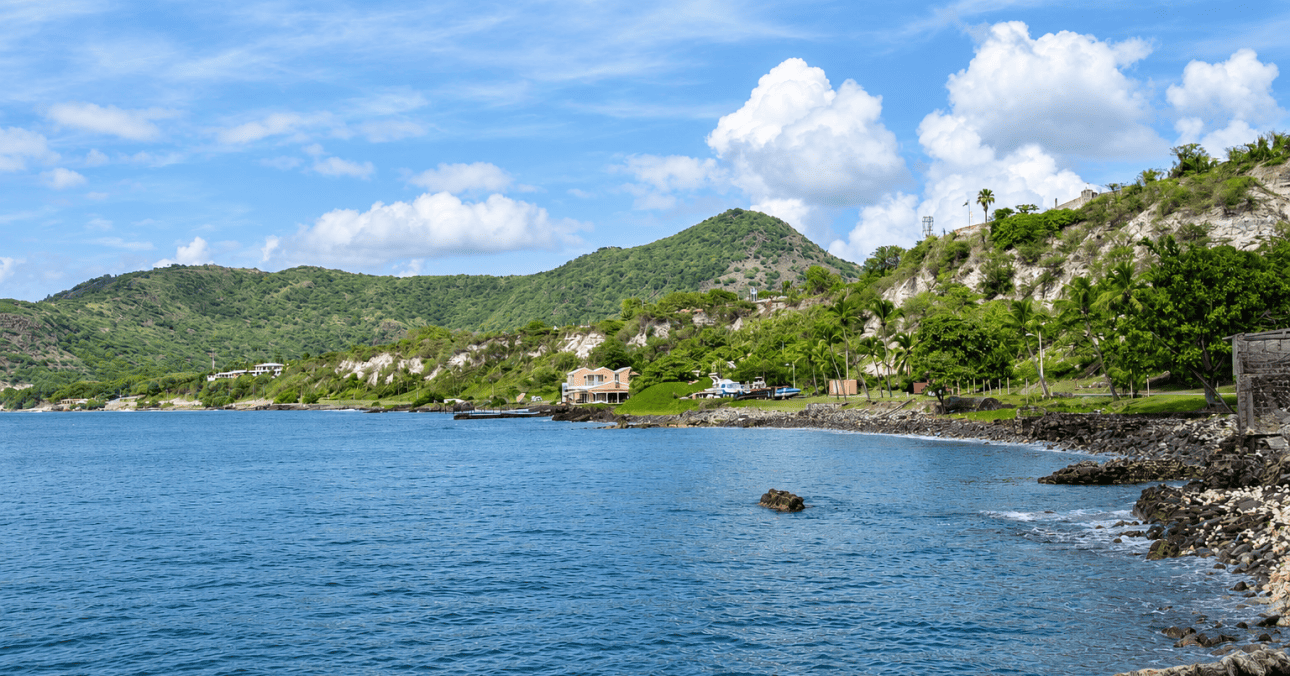
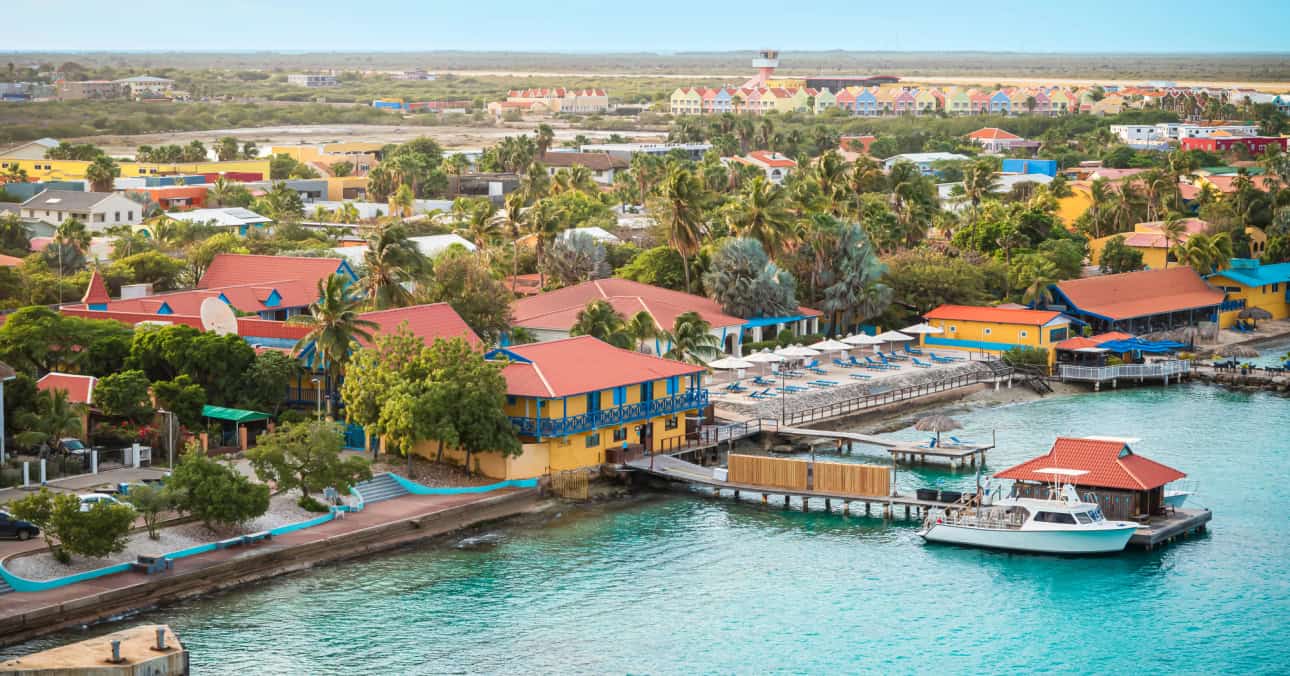
The country of the Netherlands also includes three Caribbean public bodies: Bonaire, Sint Eustatius and Saba, collectively known as the Caribbean Netherlands.
This series explores each part of the Kingdom:
- The Netherlands (Country)
- Aruba (Country)
- Curaçao (Country)
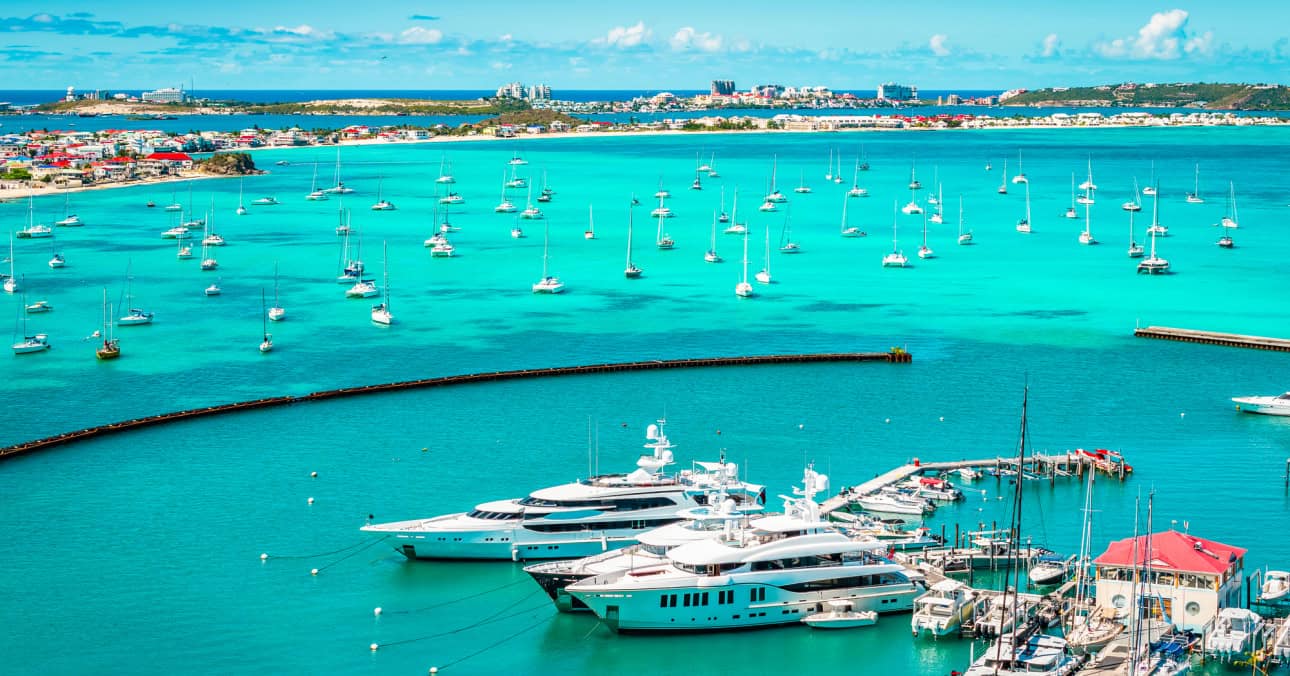
- Sint Maarten (Country)
- Bonaire (Public body of the Netherlands)
- Sint Eustatius (Public body of the Netherlands)
- Saba (Public body of the Netherlands)
Do you run a business? RotterdamStyle is looking for a main sponsor. Get exclusive visibility across our website for a fixed fee. Interested? Contact us 🤝
Introduction
Just off the northern coast of Venezuela, where the Caribbean Sea meets the South American continent, Aruba occupies a distinctive position in both geography and history. With an area of approximately 180 square kilometres and a population of around 110,000, it is a small country by almost any measure. Yet its story reaches far beyond its shores.
Aruba belongs to the ABC islands, alongside Curaçao and Bonaire. All three share historical and linguistic connections, but Aruba's political development has followed a different path. In 1986, it separated from the Netherlands Antilles and became a country within the Kingdom of the Netherlands in its own right.
The island's relationship with the European Netherlands is therefore neither that of an independent foreign nation nor that of a Dutch province or municipality. Aruba governs most of its internal affairs, while sharing certain responsibilities, including defence, foreign relations and nationality, with the wider Kingdom.
But constitutional arrangements tell only part of the story. Aruba's identity has been shaped by Indigenous peoples, Spanish and Dutch colonial rule, slavery, migration from neighbouring countries, the international oil industry and, more recently, mass tourism.
Its culture reflects these connections. Papiamento, Dutch, English and Spanish are heard in everyday life. Caribbean rhythms meet Latin American influences, while families often maintain connections across several countries and continents.
To understand Aruba, we have to look beyond the tourist brochures. It is a country that has repeatedly adapted to economic and political change, while continuing to debate what autonomy, prosperity and national identity should mean for its people.
Table of contents
- Ancient Aruba: Indigenous roots and colonial rule
- From gold and aloe to the oil industry
- Society and culture: languages, migration and identity
- Politics and governance: the road to status aparte
- Economy: tourism, prosperity and dependence
- Aruba in the Kingdom: autonomy and shared responsibilities
- Contemporary challenges and opportunities
- Aruban identity: music, traditions and daily life
- Looking forward: Aruba and the 21st-century Kingdom
Do you run a business? RotterdamStyle is looking for a main sponsor. Get exclusive visibility across our website for a fixed fee. Interested? Contact us 🤝
1. Ancient Aruba: Indigenous roots and colonial rule
Before the Europeans
Aruba's history began long before European ships appeared on the Caribbean horizon. Archaeological evidence shows that people inhabited the island thousands of years ago, arriving from the South American mainland and establishing communities that survived through fishing, hunting, gathering and, later, agriculture.
Among the island's early inhabitants were Archaic communities, followed by the Caquetío, an Indigenous people belonging to the wider Arawakan cultural and linguistic world. The Caquetío maintained connections with communities along the coast of present-day Venezuela, demonstrating that the waters separating Aruba from South America were routes of communication rather than barriers.
Their presence remains part of Aruba's historical landscape. Indigenous rock drawings, archaeological sites and place names offer glimpses of a society that existed long before the island became part of any European empire.
Spanish arrival and colonisation
Spanish explorers reached Aruba in the early 16th century. Finding little of the gold and other wealth they had hoped to exploit, the Spanish classified Aruba, Bonaire and Curaçao among the so-called islas inútiles, or useless islands.
The description reflected European colonial priorities rather than the islands' actual value to their inhabitants.
Spanish rule brought profound disruption. During the early colonial period, Indigenous residents were forcibly transported to Hispaniola and subjected to enslavement and compulsory labour. Some later returned to Aruba, where agriculture and livestock farming became important activities under Spanish control.
Although the Spanish presence was relatively limited compared with some other parts of the Americas, its consequences for the Indigenous population were considerable.
Dutch rule and slavery
In 1636, during the Eighty Years' War between the Dutch Republic and Spain, the Dutch occupied Aruba and the neighbouring islands. Their strategic position near the Venezuelan coast made them useful for regional trade, shipping and military operations.
Aruba subsequently became part of the Dutch colonial system, with its administration closely connected to Curaçao. The British also controlled the island for periods during the Napoleonic era, before Dutch authority was restored in 1816.
Unlike some Caribbean colonies, Aruba did not develop a large plantation economy based on sugar cultivation. This difference has sometimes led to the mistaken impression that slavery played little role in the island's history.
Historical records tell a more complicated story.
Enslaved people worked in households, agriculture, livestock activities and other forms of labour. Research by the Dutch National Archives shows that approximately 450 enslaved people gained their freedom when slavery was abolished in the Dutch Caribbean colonies on 1 July 1863. They represented roughly one-fifth of Aruba's population.
These lives and experiences form an important part of the island's history, even if they have received less attention than the plantation systems of neighbouring territories.
In 2025, documentary records concerning slavery in Aruba received recognition through UNESCO's Memory of the World Register, helping preserve evidence of enslaved people's lives, emancipation and the generations that followed.
Aruba's colonial past remains relevant to contemporary discussions about identity, historical recognition and the relationship between the Caribbean and European parts of the Kingdom.
Do you run a business? RotterdamStyle is looking for a main sponsor. Get exclusive visibility across our website for a fixed fee. Interested? Contact us 🤝
2. From gold and aloe to the oil industry
Gold, agriculture and aloe
For much of the 19th century, Aruba's economy was modest and often precarious. Its dry climate limited agricultural possibilities, and many families depended on livestock, fishing, small-scale farming and trade with neighbouring territories.
The discovery of gold in 1824 created new economic opportunities. Mining operations developed over the following decades, leaving behind sites such as the Bushiribana and Balashi gold mills, whose ruins remain visible today.
Aloe cultivation also became an important source of income. The plant was well suited to Aruba's dry conditions, and during the 19th century the island became a significant exporter of aloe resin.
Aruba's history as an aloe producer survives in its agricultural heritage and in an industry that continues on a smaller scale.
Yet neither gold nor aloe would transform Aruba as dramatically as the arrival of oil.
The refinery changes everything
During the 1920s, Aruba became an important centre for processing Venezuelan crude oil. Refineries were established near Oranjestad and San Nicolas, with the Lago refinery at San Nicolas developing into one of the Caribbean's major industrial operations.
The scale of the transformation was extraordinary. Employment opportunities attracted workers from throughout the Caribbean and beyond, bringing new languages, religions, musical traditions and cultural practices.
San Nicolas grew from a relatively small settlement into a bustling industrial town. Workers and their families arrived from English-speaking Caribbean islands, other parts of the Dutch Caribbean, Latin America and elsewhere.
These communities played a lasting role in shaping Aruba's identity. The English Caribbean influence on Carnival, calypso and other musical traditions is especially associated with the refinery era.
Oil also strengthened Aruba's international connections. The island became part of global industrial supply chains, while its economy grew increasingly dependent on a single major industry.
The end of an era
In 1985, the closure of the Lago refinery delivered a major economic shock. Jobs disappeared, government revenues came under pressure, and Aruba faced uncertainty about its future.
The timing was particularly significant. Aruba was preparing for a historic constitutional change, with its new autonomous status scheduled to begin on 1 January 1986.
The refinery would reopen under new ownership in 1990, but the island's economic priorities had already begun shifting towards tourism.
The experience established a pattern that continues to influence Aruba's economic debates: a relatively small island can achieve considerable prosperity through international industries, but dependence on a narrow economic base creates vulnerabilities when circumstances change.
Do you run a business? RotterdamStyle is looking for a main sponsor. Get exclusive visibility across our website for a fixed fee. Interested? Contact us 🤝
3. Society and culture: languages, migration and identity
Papiamento and the Aruban voice
Language is central to Aruba's cultural identity. Although Dutch remains important in government, law and education, Papiamento is deeply rooted in everyday life.
Developed through centuries of contact among peoples of different linguistic backgrounds, Papiamento is a creole language with strong Portuguese and Spanish influences, alongside elements from African languages, Dutch and other sources.
Aruba shares the language with Curaçao and Bonaire, although spelling conventions differ. Aruba generally uses the spelling Papiamento, while Curaçao and Bonaire commonly use Papiamentu.
On 19 March 2003, Papiamento became an official language of Aruba alongside Dutch, marking an important recognition of its cultural and social significance.
English and Spanish are also widely spoken, reflecting the island's connections with North America, neighbouring Latin American countries and the wider Caribbean.
For many Arubans, moving between languages is simply part of everyday life. A conversation may begin in Papiamento, incorporate English expressions and continue in Spanish or Dutch without anyone finding the situation particularly unusual.
A society shaped by migration
Migration has been one of the most important forces in Aruba's modern development.
During the oil-refining period, workers arrived from across the Caribbean. The subsequent growth of tourism attracted new migrants, particularly from countries such as Colombia, Venezuela and the Dominican Republic.
According to Aruba's Central Bureau of Statistics, nearly 41% of the population was foreign-born at the end of 2025. This makes Aruba a remarkably internationally connected society for an island of its size.
The effects are visible in its restaurants, neighbourhoods, music, workplaces and family relationships. Dutch Caribbean, Latin American, English Caribbean and European influences coexist in a society whose cultural diversity is inseparable from its history.
Yet migration also presents challenges. Questions surrounding immigration policy, integration, employment, housing and access to services feature regularly in public discussion.
Religion, community and belonging
Christianity has played a significant role in Aruba's social development, particularly through the Roman Catholic Church. Other Christian denominations and religious communities reflect the island's multicultural population.
Family networks, neighbourhood relationships and community organisations remain important features of everyday life. Festivals, sporting activities and religious celebrations frequently bring together people from different backgrounds.
National identity, meanwhile, is expressed through Papiamento, cultural traditions, shared historical experiences and a strong attachment to the island itself.
For many Arubans, being part of the Kingdom and identifying as Aruban are entirely compatible. For others, the relationship raises more complicated questions about political authority, cultural recognition and the meaning of nationhood.
Do you run a business? RotterdamStyle is looking for a main sponsor. Get exclusive visibility across our website for a fixed fee. Interested? Contact us 🤝
4. Politics and governance: the road to status aparte
The movement for self-government
Aruba's present constitutional position emerged from decades of political debate and campaigning.
Under the Charter for the Kingdom of the Netherlands, introduced in 1954, Aruba formed part of the Netherlands Antilles, a Caribbean country within the Kingdom whose central government was based in Curaçao.
Although Aruba had its own island administration, important political decisions remained connected to the Netherlands Antillean government.
For many Arubans, this arrangement did not provide the degree of self-government they wanted. The demand for status aparte, a separate constitutional position within the Kingdom, gained momentum during the 20th century.
Gilberto François "Betico" Croes became one of the movement's most influential figures. As a political leader and advocate of Aruban self-determination, he played a major role in securing recognition for Aruba's aspirations.
The movement was about more than constitutional administration. It reflected a growing determination to establish Aruba's distinct political identity and to govern the island's affairs independently of Curaçao.
1 January 1986: a historic turning point
On 1 January 1986, Aruba formally separated from the Netherlands Antilles and became an autonomous country within the Kingdom of the Netherlands.
The achievement became known as status aparte.
It was a defining moment in Aruba's modern history, but it did not mean that the island became an independent sovereign state. Aruba remained part of the Kingdom, sharing the Dutch monarch and certain constitutional responsibilities with its partners.
The original constitutional arrangement envisaged full independence in 1996. However, Aruba subsequently moved away from that timetable, and the requirement for independence was eventually removed.
Instead, autonomous country status became the continuing basis of Aruba's relationship with the Kingdom.
In 2026, Aruba marked 40 years of status aparte, a milestone that invited reflection on the achievements of self-government and the challenges that remain.
Parliament and the constitutional system
Aruba is a parliamentary democracy with its own government, parliament and legal system.
The Parliament of Aruba, known as the Staten van Aruba, consists of 21 elected members. Parliamentary elections normally take place every four years, although early elections can be held.
The Prime Minister leads the Council of Ministers, while the Governor represents the King and fulfils constitutional responsibilities within Aruba's system of government.
The government is responsible for domestic matters including education, healthcare, economic policy, taxation and many aspects of public administration.
As in the European Netherlands, coalition politics, party competition and negotiations between political interests are familiar features of public life.
Political debates frequently centre on economic management, public finances, integrity in government, migration, development and the relationship with the wider Kingdom.
Do you run a business? RotterdamStyle is looking for a main sponsor. Get exclusive visibility across our website for a fixed fee. Interested? Contact us 🤝
5. Economy: tourism, prosperity and dependence
From refineries to resorts
The transformation of Aruba's economy since the 1980s has been remarkable.
As the oil industry declined, tourism became the country's dominant economic sector. Hotels, resorts, restaurants and related services expanded, attracting visitors particularly from the United States, Canada, Latin America and Europe.
Aruba's beaches, reliable warm climate and international air connections helped establish it as a popular Caribbean destination.
The island received more than 1.5 million stay-over visitors in 2025, a considerable number for a country with a resident population of around 110,000.
Tourism provides employment, foreign exchange earnings and opportunities for local businesses. It has also supported the development of infrastructure and contributed to Aruba's relatively high income levels compared with many other Caribbean economies.
But the success of tourism has created a familiar economic dilemma.
When so much employment and income depend on visitors from abroad, the country becomes vulnerable to changes in international travel, consumer spending, airline capacity and global economic conditions.
The COVID-19 pandemic demonstrated this vulnerability when travel restrictions sharply reduced visitor numbers and disrupted economic activity.
A small but internationally connected economy
Alongside tourism, Aruba's economy includes retail, financial services, construction, transport, professional services and other activities supporting residents and visitors.
Its official currency is the Aruban florin, introduced in 1986 and maintained at a fixed exchange rate of 1.79 florins to one US dollar.
The Central Bank of Aruba is responsible for monetary stability and financial supervision. The florin's relationship with the US dollar reflects the importance of international trade and tourism, particularly Aruba's economic connections with North America.
Limited land, natural resources and domestic production mean that Aruba imports much of what its population consumes, from food and household goods to fuel and building materials.
This makes transport costs, international prices and exchange-rate developments important influences on the cost of living.
Growth and its limits
Tourism remains Aruba's main economic engine, but its continuing expansion raises questions about how much growth the island can accommodate.
Hotels and holiday rentals create income and employment, yet they also increase demand for land, water, electricity, transport and housing.
The International Monetary Fund has identified pressure on infrastructure, labour markets and housing affordability as important challenges for Aruba's future economic development.
The debate is increasingly concerned with the quality of economic growth rather than visitor numbers alone.
Can Aruba maintain a successful tourism industry while protecting its natural environment and ensuring that residents share in the benefits? And can the country develop additional economic activities that reduce its exposure to international tourism cycles?
These questions are likely to shape the island's economic future.
Do you run a business? RotterdamStyle is looking for a main sponsor. Get exclusive visibility across our website for a fixed fee. Interested? Contact us 🤝
6. Aruba in the Kingdom: autonomy and shared responsibilities
One Kingdom, four countries
Aruba's constitutional status is often misunderstood, particularly outside the Dutch Caribbean.
The Kingdom of the Netherlands consists of four countries: the Netherlands, Aruba, Curaçao and Sint Maarten. Each has its own government and responsibility for its internal affairs.
The Netherlands also includes Bonaire, Sint Eustatius and Saba, but these islands have a different constitutional position from Aruba.
The Charter for the Kingdom establishes shared responsibilities, including foreign relations, defence and Dutch nationality. These matters are handled at Kingdom level, with participation by representatives of the Caribbean countries.
Aruba therefore has substantial self-government without possessing all the powers of an independent sovereign state.
Citizenship and international identity
Dutch nationality is shared across the Kingdom. Arubans who hold Dutch nationality have Dutch passports and are citizens of the European Union.
However, Aruba itself is outside the territory of the European Union and has a special relationship with it as an Overseas Country and Territory. It is also outside the Schengen Area.
These distinctions demonstrate the complexity of Aruba's international position. It is constitutionally connected to a European Kingdom while remaining geographically, culturally and economically part of the Caribbean.
The island also maintains strong regional connections with South America, the United States and neighbouring Caribbean countries.
Partnership and political tension
Aruba's autonomy does not eliminate political disagreements with the Netherlands.
Questions concerning public finances, financial supervision, governance, economic support and the boundaries of autonomous decision-making have periodically created tension.
From the Dutch perspective, shared Kingdom responsibilities can require common standards and cooperation. From the Aruban perspective, intervention from The Hague can raise concerns about respect for democratic self-government and the unequal political influence of the Kingdom's largest country.
The relationship is therefore a continuing negotiation between autonomy and cooperation.
At the same time, educational, professional and family connections remain strong. Many young Arubans study in the European Netherlands, particularly when specialised programmes are unavailable on the island.
Rotterdam and other Dutch cities are home to Aruban communities whose lives connect the Caribbean and European parts of the Kingdom.
These relationships give the Kingdom a human dimension that extends well beyond constitutional documents and political disagreements.
Do you run a business? RotterdamStyle is looking for a main sponsor. Get exclusive visibility across our website for a fixed fee. Interested? Contact us 🤝
7. Contemporary challenges and opportunities
Climate change and environmental protection
Aruba's geography is both an advantage and a vulnerability.
Situated south of the main Atlantic hurricane belt, the island experiences relatively dry conditions and steady trade winds. Its landscape is markedly different from the tropical forests and mountains found on many other Caribbean islands.
Cacti, divi-divi trees, rocky hills and dry countryside characterise much of the interior. The western and southern coasts are known for relatively sheltered beaches, while the exposed northern and eastern shores reveal a more rugged landscape.
Arikok National Park protects approximately 18% of the island, preserving habitats, geological formations and archaeological sites.
The park provides refuge for native wildlife, including the endangered Aruban burrowing owl, locally known as the shoco, and the Aruba island rattlesnake.
Despite its position outside the main hurricane belt, Aruba is not immune to climate change. Rising sea levels, coastal erosion, increasing temperatures and pressure on marine ecosystems present long-term risks.
Coral reefs and coastal habitats are particularly important for biodiversity and tourism, making environmental protection both an ecological and economic concern.
Water, energy and infrastructure
Fresh water has always been a challenge on Aruba. The island has no substantial permanent rivers or lakes, and its dry climate limits natural freshwater supplies.
Aruba has relied on seawater desalination for its public drinking-water supply since 1932, developing considerable technical expertise in turning seawater into drinking water.
The country's experience demonstrates how technological adaptation can make life possible in a demanding environment. Yet producing water and electricity requires substantial infrastructure, investment and energy.
Increasing demand from households, businesses and tourism adds pressure to these systems.
Renewable energy, improved energy efficiency and more sustainable forms of development offer opportunities to reduce dependence on imported fossil fuels and strengthen long-term resilience.
Housing, migration and social pressures
Aruba's economic success has attracted investment and new residents, but this growth has also raised concerns about housing availability, infrastructure and the cost of living.
The expansion of tourism accommodation and the limited supply of developable land have made housing an increasingly important issue.
At the same time, an ageing population, changing labour-market needs and continuing migration require careful planning of healthcare, education and social services.
For a country of Aruba's size, economic decisions can quickly affect the wider community. A major development project may bring jobs and investment, while also placing additional demands on roads, utilities and public facilities.
Preserving the island's character
One of Aruba's defining challenges is balancing economic development with cultural and environmental preservation.
Tourism has contributed greatly to prosperity, but beaches, landscapes, historical sites and neighbourhoods are also part of the country's identity and everyday life.
The question is how to ensure that the island remains a place where residents can build secure and fulfilling lives, rather than allowing its development to be determined primarily by the expectations of visitors and investors.
Do you run a business? RotterdamStyle is looking for a main sponsor. Get exclusive visibility across our website for a fixed fee. Interested? Contact us 🤝
8. Aruban identity: music, traditions and daily life
Music and Carnival
Music occupies a central place in Aruban culture. The island's musical traditions reflect its connections with the wider Caribbean, Latin America and Europe.
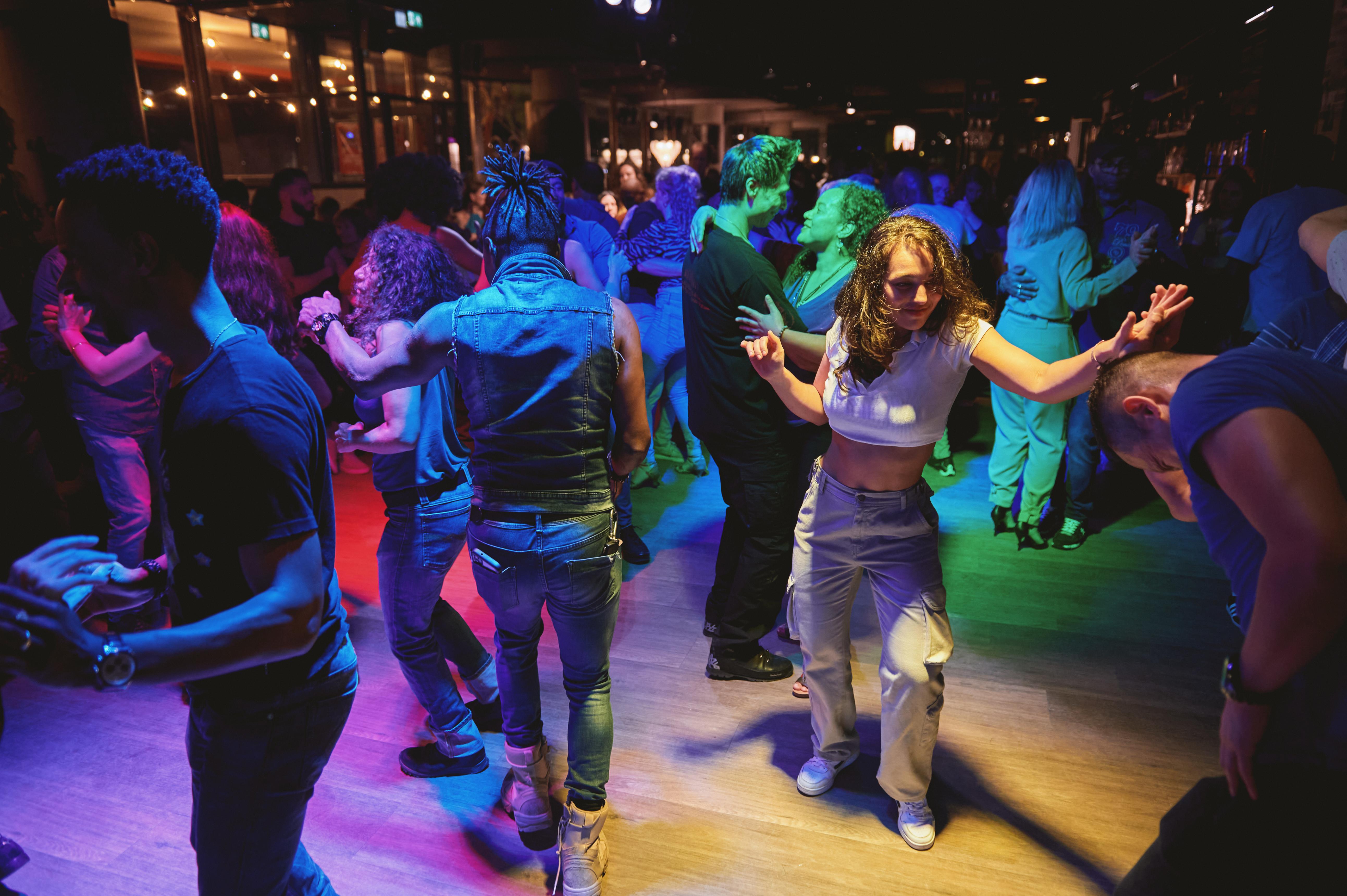
Calypso, soca, road march, tumba, steelband music, salsa and merengue are among the sounds that have contributed to Aruba's cultural identity.
Carnival is one of the country's largest annual celebrations, bringing together music competitions, elaborate costumes, street parties and parades.
Its modern development is closely connected to the oil-refining era, when workers from English-speaking Caribbean islands brought their own Carnival traditions to Aruba, particularly in San Nicolas.
The festival expanded during the 1950s and became a major expression of national culture, with celebrations in Oranjestad and San Nicolas.
For musicians, Carnival also represents an important creative tradition. Calypso provides a platform for humour, social commentary and storytelling, while soca and road march competitions celebrate rhythm, performance and the energy of the streets.
Traditions beyond Carnival
Aruba's cultural calendar extends well beyond Carnival.
One particularly distinctive tradition is Dande, a musical custom associated with the New Year. Groups of musicians visit homes, performing songs that express good wishes for health, happiness and prosperity.
Traditional instruments, including the tambu, wiri and raspa, accompany the singing, while performers may improvise blessings for individual family members.
During the Christmas season, the influence of Venezuelan gaita music is also heard across the island.
These traditions demonstrate the ways in which Aruba's culture has developed through centuries of movement and exchange among neighbouring societies.
Food and the cultural crossroads
Aruban cuisine is another expression of the island's diverse history.
Local favourites include pastechi, a filled pastry commonly eaten as a snack or breakfast; keshi yena, a baked dish traditionally prepared with cheese and a savoury filling; and stews served with rice, beans, funchi or pan bati.
Fresh fish, goat stew and various Caribbean and Latin American dishes also feature prominently in local cooking.
Dutch, Indigenous, African, Latin American and wider Caribbean influences have contributed to a cuisine that is difficult to place within a single culinary tradition.
Food is closely connected to family gatherings, celebrations and everyday social life. The island's multicultural character is also visible in its restaurants, which reflect communities from throughout the Americas, Europe and Asia.
National symbols and celebrations
Aruba's national flag and anthem, Aruba Dushi Tera, were introduced on 18 March 1976, a decade before the country obtained status aparte.
The flag's blue background, yellow stripes and red four-pointed star have become widely recognised symbols of Aruban identity.
Every year on 18 March, Aruba celebrates its National Anthem and Flag Day, known locally as Dia di Himno y Bandera.
The occasion is marked by official ceremonies and cultural activities, reflecting the significance of national identity in the island's political and cultural development.
Another important date is 25 January, Dia di Betico, commemorating Betico Croes and his role in the struggle for Aruban self-government.
In 2026, the country celebrated both the 50th anniversary of its flag and anthem and 40 years of status aparte, bringing these two milestones together in a significant year for national reflection.
Life beyond the tourist areas
Aruba's international reputation is closely associated with its resorts and beaches, but everyday life extends far beyond the hotel districts.
Oranjestad is the capital and an important administrative and commercial centre. San Nicolas carries the legacy of the oil industry and has developed a distinctive cultural character, including street art and community initiatives.
Elsewhere, districts and neighbourhoods such as Noord, Santa Cruz, Paradera and Savaneta reflect different aspects of the island's history and social life.
Family gatherings, neighbourhood shops, sports clubs, churches, schools and cultural organisations shape the routines of the people who call Aruba home.
Like any society, Aruba experiences political disagreements, economic concerns and social tensions. Its appeal as a tourist destination should not obscure the ordinary challenges and aspirations of the people who live there.
Do you run a business? RotterdamStyle is looking for a main sponsor. Get exclusive visibility across our website for a fixed fee. Interested? Contact us 🤝
9. Looking forward: Aruba and the 21st-century Kingdom
Four decades after achieving status aparte, Aruba continues to face questions about how best to exercise its autonomy and secure its future.
Its economic achievements are substantial, particularly considering its limited territory, natural resources and population. The transition from an oil-dependent economy towards international tourism demonstrated a remarkable capacity to adapt.
But the challenges of the coming decades may require a different kind of transformation.
Climate change, housing pressures, demographic developments and dependence on tourism all demand long-term planning. Economic diversification, education, technological development and environmental protection offer opportunities, but they also require difficult choices about public spending and development.
Aruba's position within the Kingdom adds another dimension to these decisions.
The constitutional relationship provides connections to the Netherlands and the wider international community, while preserving substantial domestic self-government. Maintaining that balance requires cooperation, trust and a willingness to recognise the distinct interests of each country.
For Aruba, the question is less about whether its national identity can coexist with Kingdom membership. Four decades of autonomy have already demonstrated that it can.
The more important question is how Aruba can use its political position, economic opportunities and cultural strengths to create a sustainable future for its people.
Conclusion
Aruba's history is one of adaptation, cultural exchange and the pursuit of greater control over its own affairs.
From its Indigenous communities and colonial past to the oil industry, mass tourism and the achievement of status aparte, the island has repeatedly confronted circumstances shaped by forces far beyond its shores.
Yet it has also developed a distinctive national identity, expressed through its language, music, traditions and institutions.
Within the Kingdom of the Netherlands, Aruba occupies a position that is both autonomous and interconnected. Its relationship with the European Netherlands, Curaçao and Sint Maarten reflects a shared constitutional history, but its political future and cultural identity remain distinctly Aruban.
Aruba may be a small island, but its story illustrates a much larger question facing the Kingdom: how can different countries, separated by geography and shaped by unequal histories, build a common future while maintaining the freedom to determine their own paths?