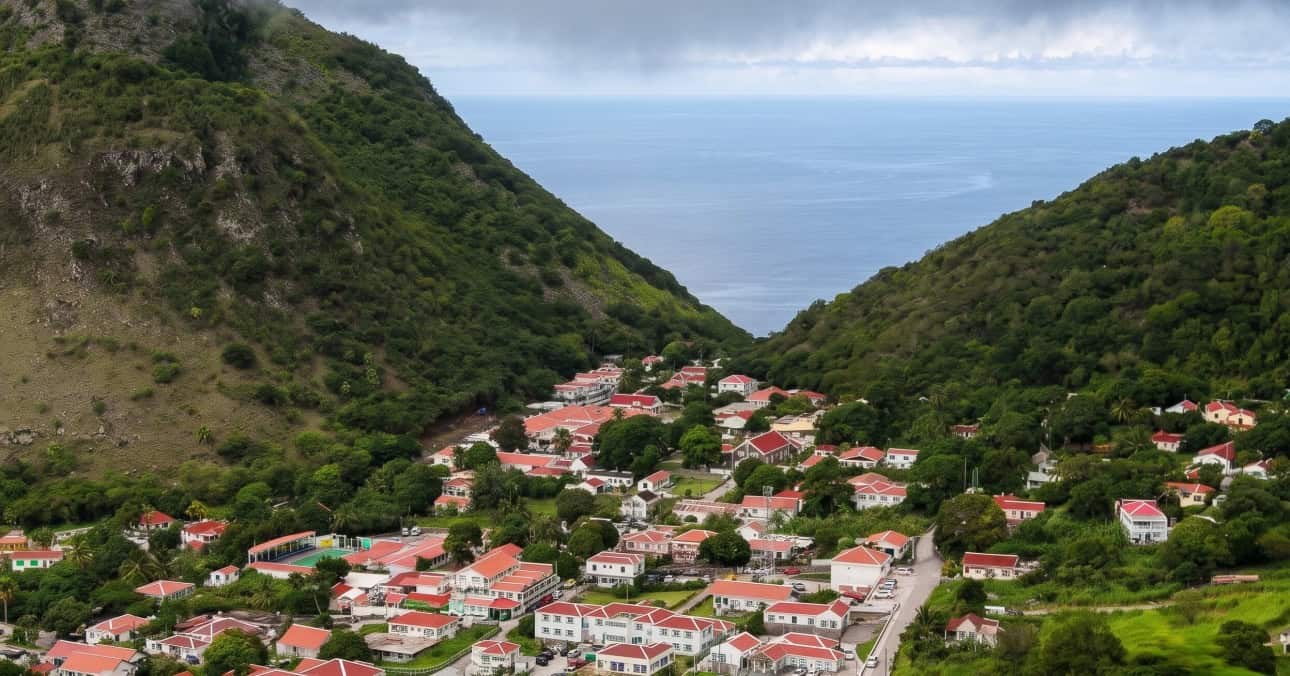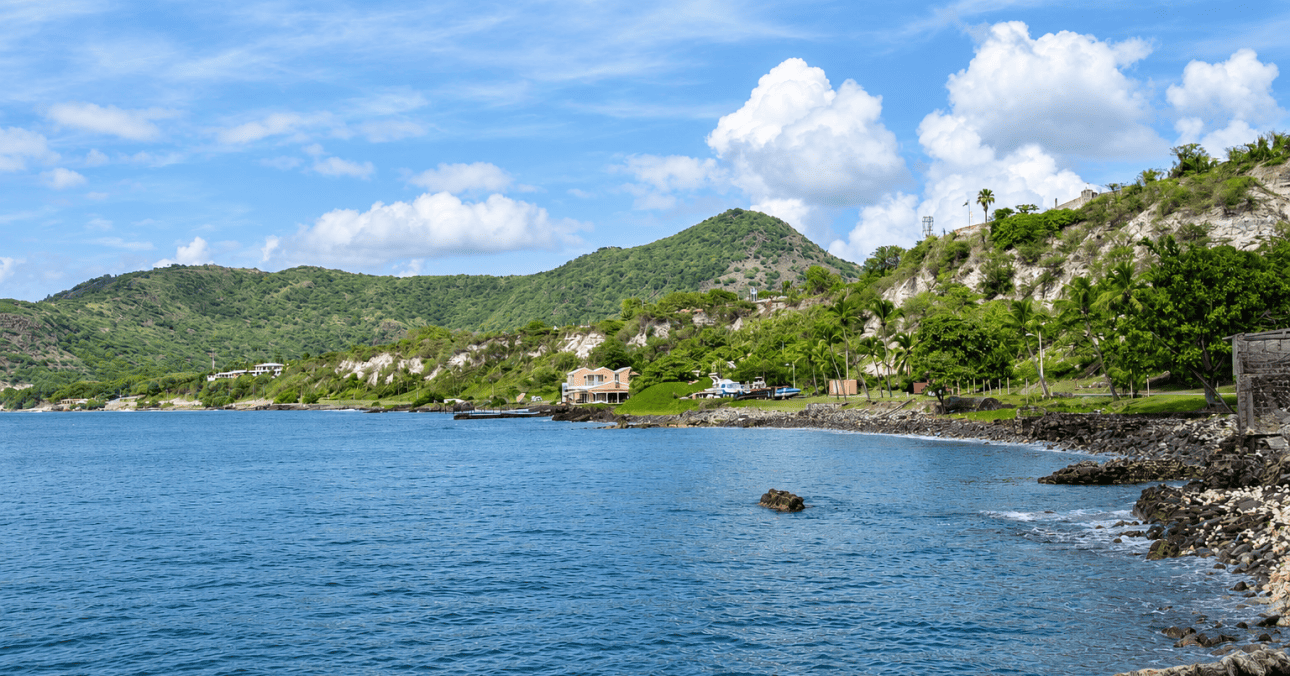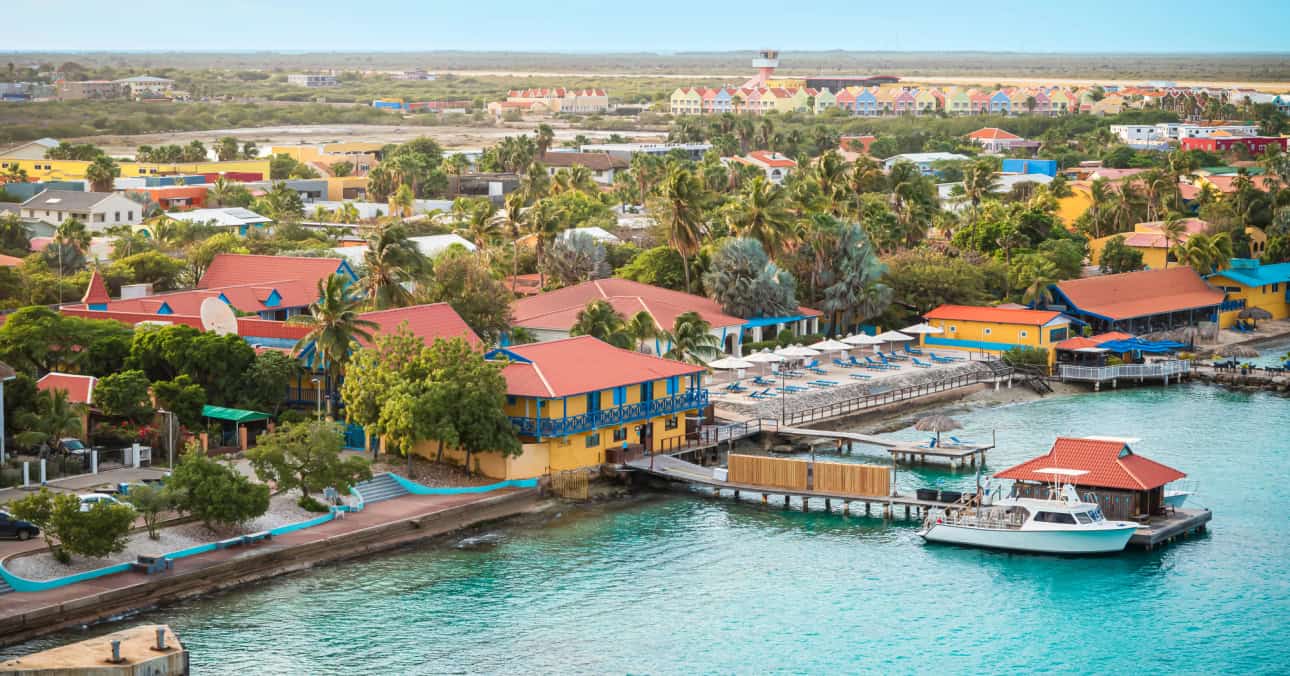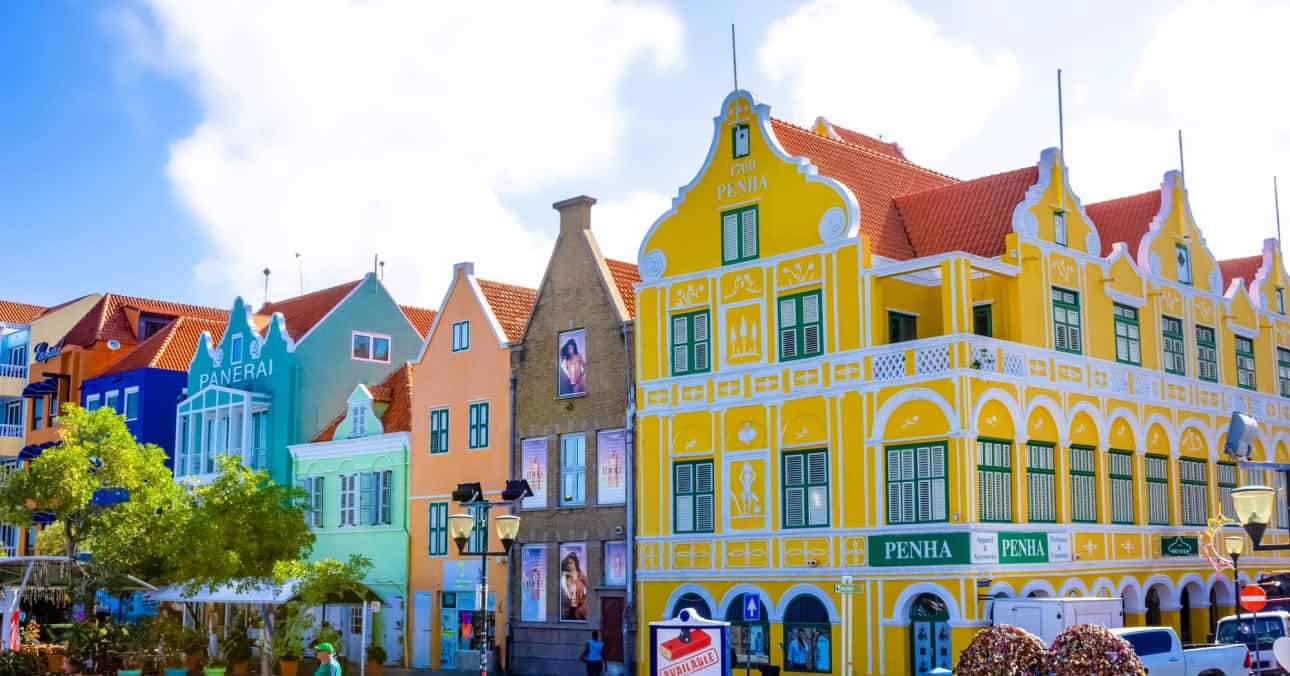

Sint Maarten is a Caribbean country unlike any other in the Kingdom of the Netherlands. Occupying the southern part of an island shared with France, it is a place where two political systems, European connections and Caribbean traditions meet. Its history encompasses Indigenous settlement, colonial competition, slavery, migration, tourism and devastating hurricanes. Since 2010, Sint Maarten has governed its own internal affairs as an autonomous country within the Kingdom, while maintaining a particularly close relationship with its French neighbour.
Kingdom of the Netherlands: An introduction to the series
The Kingdom of the Netherlands is a unique construct: a modern state spanning Western Europe and the Caribbean. Often misunderstood as simply "the Netherlands", the Kingdom consists of four countries, each with its own identity, government and story.
The country of the Netherlands also includes three Caribbean public bodies: Bonaire, Sint Eustatius and Saba, collectively known as the Caribbean Netherlands.
This series explores each part of the Kingdom:
- The Netherlands (Country)
- Aruba (Country)
- Curaçao (Country)
- Sint Maarten (Country)
- Bonaire (Public body of the Netherlands)
- Sint Eustatius (Public body of the Netherlands)
- Saba (Public body of the Netherlands)
Do you run a business? RotterdamStyle is looking for a main sponsor. Get exclusive visibility across our website for a fixed fee. Interested? Contact us 🤝
Introduction
In the northeastern Caribbean, approximately 300 kilometres east of Puerto Rico, lies a relatively small island with an unusually complicated political geography.
The southern part is Sint Maarten, an autonomous country within the Kingdom of the Netherlands. The northern part is Saint-Martin, an overseas collectivity of France. Although the island is divided between two European states, its people share a long history and many aspects of everyday life.
The border is largely invisible to anyone travelling across the island. There are no continuous fences or walls separating the two territories, and residents routinely cross between them for work, shopping, education, family visits and recreation.
Yet the distinction matters. Different governments, currencies, legal systems and constitutional arrangements operate on either side.
Sint Maarten occupies approximately 34 square kilometres and had an estimated population of 42,449 on 1 January 2025. Its capital, Philipsburg, lies between Great Bay and the Great Salt Pond, two bodies of water that helped shape the island's development.
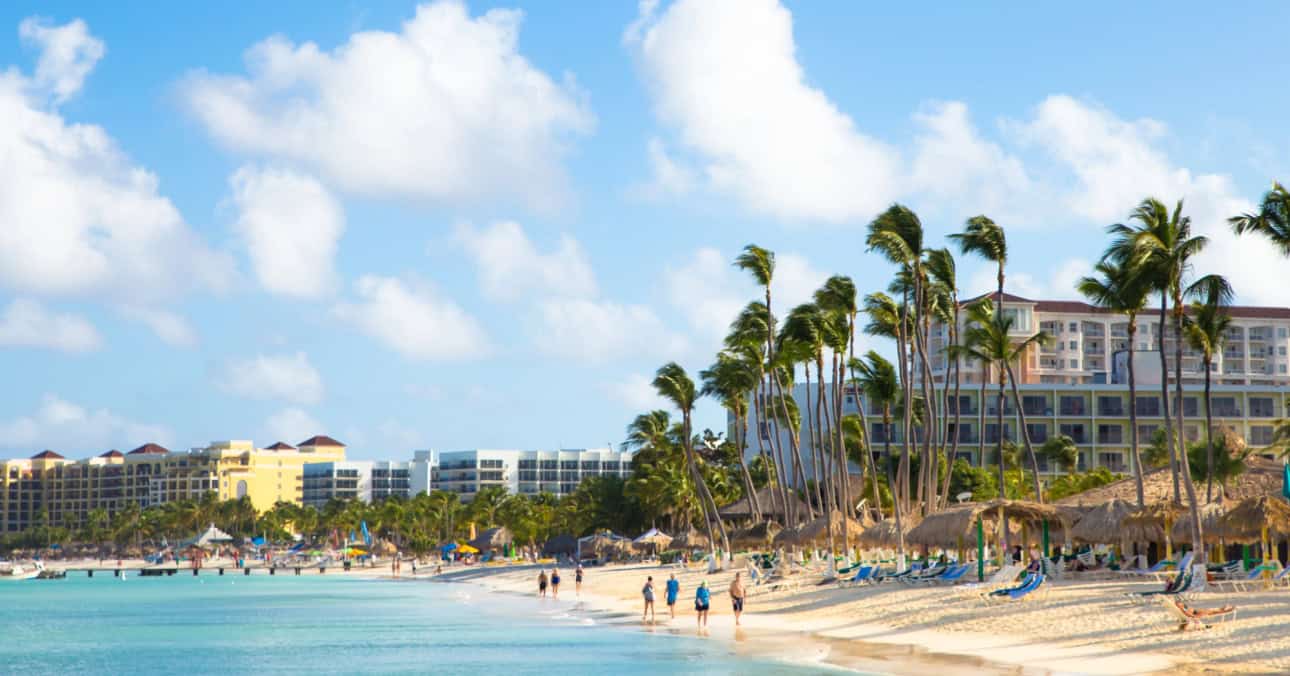
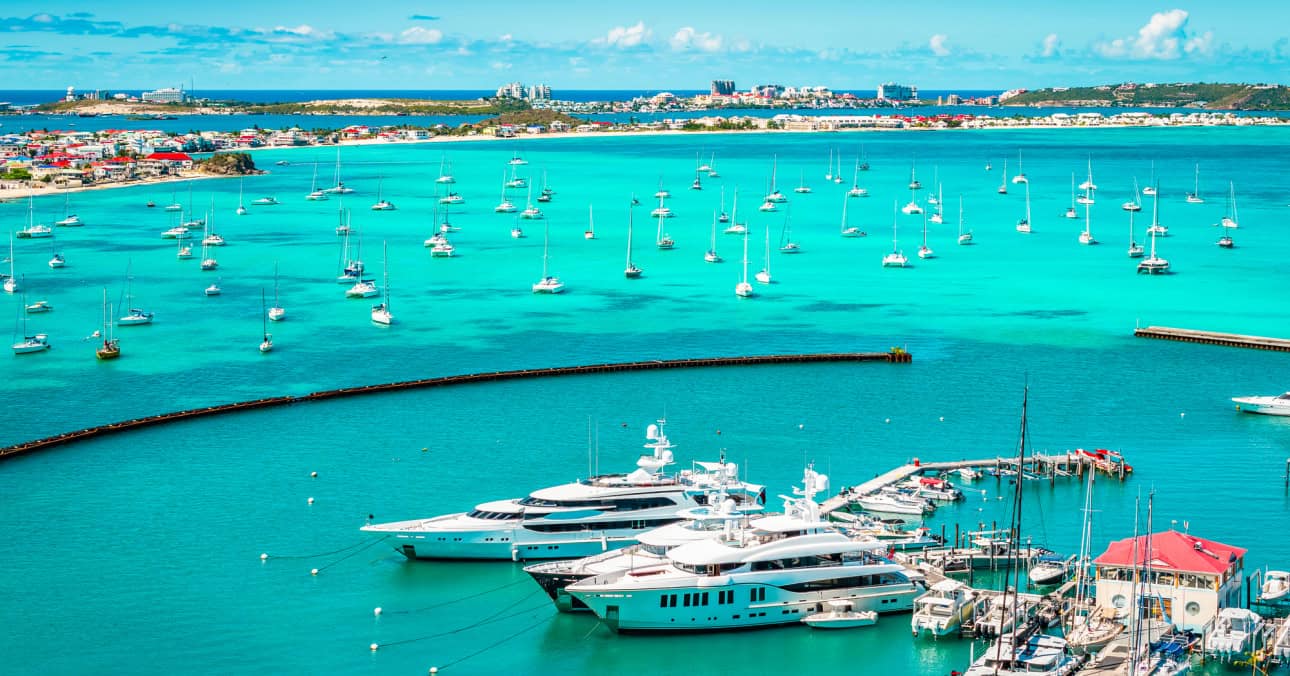
Today, tourism dominates the economy. Cruise ships arrive in Philipsburg, international flights connect the island with North America and Europe, and visitors are attracted by beaches, restaurants, shopping and the island's unusual Franco-Dutch character.
But the history of Sint Maarten reaches far beyond tourism.
Salt production made the island commercially valuable to European powers. Enslaved Africans and their descendants played a central role in its development. The abolition of slavery on the French side in 1848, fifteen years before Dutch emancipation, transformed the meaning of the border.
During the 20th century, the decline of agriculture and salt production gave way to tourism and international migration. More recently, Hurricane Irma in 2017 demonstrated how vulnerable a small, tourism-dependent country can be to natural disasters.
Sint Maarten's story is therefore one of division and connection, economic transformation, cultural adaptation and the continuing struggle to exercise self-government while remaining part of a larger Kingdom.
Table of contents
- Ancient lands: Indigenous heritage and a divided island
- Colonial expansion, slavery and the struggle for freedom
- Society and culture: languages, migration and shared identity
- Politics and governance: the road to autonomy
- Economy: from salt production to international tourism
- Sint Maarten in the Kingdom: autonomy and two European connections
- Contemporary challenges and opportunities
- Sint Maarten identity: music, traditions and daily life
- Looking forward: Sint Maarten and the 21st-century Kingdom
Do you run a business? RotterdamStyle is looking for a main sponsor. Get exclusive visibility across our website for a fixed fee. Interested? Contact us 🤝
1. Ancient lands: Indigenous heritage and a divided island
Before European colonisation
Long before Sint Maarten acquired its Dutch and French identities, the island formed part of a network of Caribbean communities connected by maritime travel and trade.
Archaeological evidence reveals the presence of Indigenous peoples who travelled between the islands and the South American mainland.
The Sint Maarten National Heritage Foundation identifies evidence of Arawakan-speaking communities dating from approximately AD 600 to 1200. Their settlements included coastal locations where fishing, gathering and other activities provided food and materials.
Stone and shell tools, archaeological remains and settlement sites offer glimpses of these early communities.
Indigenous peoples used canoes to maintain contact with neighbouring islands, demonstrating that the Caribbean Sea was an important means of communication rather than simply a geographical barrier.
The island's salt ponds also formed part of its natural environment long before Europeans recognised their commercial potential.
Although much of Sint Maarten's Indigenous history remains difficult to reconstruct, archaeological research has established that the island's story did not begin with European settlement.
European arrival and competing claims
European encounters with the island began during the period of Spanish exploration of the Caribbean in the late 15th century.
The name Saint Martin is traditionally associated with Saint Martin of Tours and Christopher Columbus's second voyage in 1493. However, the precise circumstances of the island's naming are less securely documented than the familiar historical account sometimes suggests.
During the following century, Spain claimed territories throughout the Caribbean, although European settlement on Sint Maarten remained limited.
The island's strategic position and salt deposits eventually attracted greater attention from other colonial powers.
Dutch ships visited during the early 17th century, and the Dutch West India Company established a presence in the 1630s.
Fort Amsterdam was built in 1631, reflecting Dutch efforts to protect their commercial interests and establish a foothold in the northeastern Caribbean.
The Spanish captured the Dutch position in 1633. A Dutch attempt to retake the island in 1644, associated with Peter Stuyvesant, was unsuccessful.
By 1648, however, the political situation had changed. As the Eighty Years' War between Spain and the Dutch Republic came to an end, Spain abandoned its occupation of the island.
French and Dutch settlers subsequently returned, laying the foundation for the island's unusual division.
The Treaty of Concordia
On 23 March 1648, representatives of the French and Dutch communities reached an agreement known as the Treaty of Concordia.
The agreement recognised separate areas of settlement for the French and Dutch while establishing principles for cooperation and the shared use of certain natural resources.
The French occupied the northern part of the island, while the Dutch established themselves primarily in the south.
The treaty became an enduring symbol of coexistence, although the island's political history was not always peaceful. During subsequent conflicts between European powers, control of different territories changed, and the agreement was repeatedly tested.
One popular story claims that a Frenchman and a Dutchman settled the boundary through a walking contest, with the French representative covering more ground. The story remains part of local folklore, but historians do not regard it as a verified account of how the island was divided.
The reality was a negotiated colonial arrangement shaped by competing European interests.
Whatever its origins, the resulting border would become one of Sint Maarten's defining characteristics.
In May 2023, France and the Kingdom of the Netherlands signed a further agreement to clarify the boundary, including disputed areas around Oyster Pond.
The agreement reflects the continuing importance of defining legal responsibilities on an island where everyday life extends across the international border.
Do you run a business? RotterdamStyle is looking for a main sponsor. Get exclusive visibility across our website for a fixed fee. Interested? Contact us 🤝
2. Colonial expansion, slavery and the struggle for freedom
Salt, plantations and colonial trade
Salt was one of Sint Maarten's most valuable natural resources during the colonial period.
The Great Salt Pond, situated behind what would become Philipsburg, provided conditions suitable for producing salt through the evaporation of seawater.
Before refrigeration, salt was essential for preserving food, particularly fish and meat, making it an important commodity in Atlantic and Caribbean trade.
European merchants recognised the economic opportunities offered by the island's salt deposits.
As Dutch and French settlement expanded, salt extraction became a major activity, alongside agricultural plantations producing crops such as sugarcane, cotton, tobacco and indigo.
These industries required considerable labour, much of which was supplied through the forced exploitation of enslaved Africans.
Enslaved people worked in the salt ponds, cultivated agricultural estates, processed crops and performed domestic and other forms of labour.
The conditions could be extremely demanding. Salt harvesting required long hours of physical work, often under intense sunshine and in difficult environmental conditions.
The economic prosperity of colonial Sint Maarten therefore depended heavily on the labour of people who were denied their freedom.
Philipsburg and the salt economy
During the 18th century, the Dutch settlement on Sint Maarten developed into a more organised commercial centre.
John Philips, a Scottish-born colonial official appointed commander in 1735, encouraged agricultural development and expanded commercial activities.
The settlement that became Philipsburg was subsequently named after him.
Its location between Great Bay and the Great Salt Pond was particularly advantageous. Salt could be harvested inland and transported towards the harbour for shipment to other markets.
Plantation estates developed across the island, contributing to an economy that combined agriculture, trade and salt production.
The National Heritage Foundation records that the island's plantation economy reached a period of considerable activity towards the end of the 18th century.
However, prosperity remained unequally distributed, and the lives of enslaved workers were fundamentally different from those of the merchants and landowners who benefited from their labour.
1848: freedom across the border
The division between the French and Dutch territories created an unusual situation during the struggle to abolish slavery.
In 1848, following revolutionary developments in France, the French authorities abolished slavery in their Caribbean territories.
Emancipation took effect on French Saint-Martin on 28 May 1848.
On the Dutch side, however, slavery remained legally permitted.
The consequences became apparent almost immediately.
On 29 May 1848, twenty-six enslaved people from Diamond Estate Plantation in Dutch Sint Maarten crossed into French territory, seeking their freedom.
They reached Mount Fortune, where the French authorities recognised them as free people.
The Dutch commander, Johannes Willem van Romondt, requested their return. The French commander refused, asserting that enslaved people who entered French territory would be considered free.
Suddenly, the border between the two territories represented far more than an administrative division.
For enslaved people on the Dutch side, crossing it could mean escaping a system that continued to deny them their freedom.
The events placed considerable pressure on Dutch colonial authorities and enslavers, who faced the possibility of further escapes and resistance.
Historical accounts indicate that slavery became increasingly difficult to maintain in practice, with changes to labour arrangements occurring before formal emancipation.
Nevertheless, the legal distinction remained. Dutch colonial law did not abolish slavery until 1 July 1863.
The correspondence concerning these events was recognised by UNESCO's Memory of the World programme in 2017 under the title Route/Root to Freedom.
It preserves an extraordinary episode in which the international border became an instrument of liberation.
Emancipation and its legacy
The formal abolition of slavery throughout the Dutch Caribbean colonies on 1 July 1863 marked an important legal turning point.
But emancipation did not erase the economic and social inequalities created by centuries of colonial exploitation.
Formerly enslaved people and their descendants continued to face difficulties in securing land, stable employment and economic independence.
In many Caribbean societies, the distribution of property and commercial power remained heavily influenced by colonial-era institutions.
Sint Maarten's own history reflects these wider patterns, although its divided geography and the events of 1848 make its experience distinctive.
Today, the memory of emancipation is preserved through historical research, cultural organisations, public commemorations and education.
Every year on 1 July, Sint Maarten observes Emancipation Day, commemorating the formal abolition of slavery under Dutch colonial rule.
The history of Diamond Estate and the twenty-six people who crossed to freedom remains a particularly powerful reminder that emancipation was not simply granted by governments. It was also pursued and demanded by enslaved people themselves.
Do you run a business? RotterdamStyle is looking for a main sponsor. Get exclusive visibility across our website for a fixed fee. Interested? Contact us 🤝
3. Society and culture: languages, migration and shared identity
English, Dutch and the languages of everyday life
Sint Maarten's linguistic identity differs considerably from that of Aruba and Curaçao.
Although Dutch is one of the country's two official languages, English is the dominant language of everyday communication.
The Constitution recognises both Dutch and English as official languages, reflecting the country's constitutional relationship with the Netherlands and its historical connections with the English-speaking Caribbean.
Local speech includes a distinctive variety of Caribbean English, sometimes referred to as S'Maatin English, shaped by the island's own history and cultural traditions.
The wider population is also highly multilingual.
Spanish, French, Haitian Creole, Dutch and other languages are spoken in homes, businesses and neighbourhoods, reflecting migration from the Caribbean, Latin America, Europe and beyond.
According to the 2022 census, English remained the most frequently spoken language at home, followed by Spanish and French Creole.
This diversity is particularly striking on an island whose population is relatively small.
A country shaped by immigration
Sint Maarten has experienced substantial population growth over recent decades.
The 2022 census counted 41,902 residents, compared with 33,609 in 2011, an increase of approximately 25%.
Population growth has been strongly influenced by migration.
The census found that approximately two-thirds of residents were born outside Sint Maarten.
Major communities include people born in the Dominican Republic, Haiti, Jamaica and French Saint-Martin, alongside residents from other Caribbean territories, South America, North America and Europe.
These communities have contributed to the country's economic development, particularly through employment in construction, tourism, retail and other services.
They have also influenced its music, cuisine, religious life and everyday culture.
But rapid migration and population growth present challenges, particularly in a country with limited land and infrastructure.
Questions of housing, citizenship, immigration status, social integration and access to public services continue to feature in political debate.
One island, two societies?
The relationship between Sint Maarten and French Saint-Martin adds another dimension to the island's multicultural character.
Residents routinely move between the Dutch and French territories, often without thinking of the crossing as an international journey.
Family relationships, workplaces, schools and businesses connect communities across the border.
Yet different administrative systems shape everyday life.
The French territory uses the euro and operates within the French legal and administrative framework. Sint Maarten has its own government, legislation and currency, with constitutional ties to the Kingdom of the Netherlands.
These differences influence matters such as healthcare, social security, education, employment and taxation.
The island therefore combines a shared geographical and cultural identity with two distinct systems of government.
For many residents, identifying with the island of Saint Martin as a whole does not prevent them from recognising the political differences between north and south.
Religion and community life
Christianity has played an important role in Sint Maarten's social history, particularly through Roman Catholic, Methodist, Anglican, Pentecostal and other churches.
Religious institutions have contributed to education, community organisation and charitable activities.
The country's diverse population also includes other religious communities and residents with no religious affiliation.
The 2022 census documented changing patterns of religious identification, including a decline in the proportion identifying as Roman Catholic and an increase in residents reporting no religious affiliation.
Family relationships, churches, sports clubs, cultural organisations and neighbourhood networks remain important to community life.
These connections are especially significant during moments of difficulty, when residents often rely on one another for assistance and support.
Do you run a business? RotterdamStyle is looking for a main sponsor. Get exclusive visibility across our website for a fixed fee. Interested? Contact us 🤝
4. Politics and governance: the road to autonomy
From colonial territory to the Netherlands Antilles
For much of its modern history, Sint Maarten was administered as part of the Dutch colonial Caribbean.
The Charter for the Kingdom of the Netherlands, introduced in 1954, reorganised relations between the Netherlands, Suriname and the Netherlands Antilles.
The Netherlands Antilles became a country within the Kingdom, responsible for many internal affairs while sharing certain responsibilities with the Netherlands.
Sint Maarten remained part of the Netherlands Antilles, with its own island administration but without the constitutional position of a separate country.
As the islands developed different economic and political interests, debates about the future of the Netherlands Antilles became increasingly prominent.
Aruba obtained separate country status within the Kingdom in 1986, demonstrating that constitutional change was possible without full independence.
On Sint Maarten, growing support for greater autonomy reflected a desire to make more decisions locally rather than through the central government of the Netherlands Antilles.
The referendum and 10-10-10
In June 2000, Sint Maarten held a referendum on its constitutional future.
A majority of participating voters supported becoming a separate country within the Kingdom of the Netherlands.
The result helped establish the political direction of subsequent negotiations.
After years of discussions and institutional preparations, the Netherlands Antilles was formally dissolved on 10 October 2010.
Sint Maarten and Curaçao became autonomous countries within the Kingdom, joining Aruba and the Netherlands.
Bonaire, Sint Eustatius and Saba became public bodies of the country of the Netherlands.
For Sint Maarten, the transition represented a major expansion of domestic political responsibility.
The country acquired its own constitutional institutions and became directly responsible for a wide range of government functions previously exercised at Netherlands Antilles level.
The date is frequently remembered as 10-10-10, a milestone in the development of Sint Maarten's modern political identity.
Government and parliament
Sint Maarten is a parliamentary democracy with its own Constitution, government and parliament.
The Parliament of Sint Maarten consists of fifteen elected members, normally serving four-year terms.
Parliament has legislative responsibilities and scrutinises government policy, including public spending and the work of ministers.
The Prime Minister leads the Council of Ministers, while the Governor represents the King and fulfils constitutional responsibilities within Sint Maarten's system of government.
The government is responsible for domestic affairs including education, healthcare, taxation, economic policy and public administration.
Coalition politics are a familiar feature of the system.
With a relatively small parliament and several political parties competing for representation, government formation and political stability can require extensive negotiations.
Debates about governance, public finances, infrastructure, tourism and the relationship with the Netherlands have remained important since 2010.
A divided island and shared responsibilities
Sint Maarten's government must also work closely with the authorities of French Saint-Martin.
Although the two territories have different constitutional structures, many practical issues affect the entire island.
Transport, emergency response, public health, waste management, tourism and border arrangements all require varying degrees of cooperation.
The 2023 agreement between France and the Kingdom of the Netherlands concerning the boundary illustrates how questions left unresolved by historical arrangements can continue to influence modern administration.
The challenge is to coordinate policies across the border without eliminating the autonomy and different legal responsibilities of either territory.
Do you run a business? RotterdamStyle is looking for a main sponsor. Get exclusive visibility across our website for a fixed fee. Interested? Contact us 🤝
5. Economy: from salt production to international tourism
The decline of salt and agriculture
For generations, salt production and agriculture formed the foundation of Sint Maarten's economy.
But these industries gradually lost their commercial importance during the 19th and 20th centuries.
Competition from other producers, changes in international trade and the development of new technologies contributed to the decline.
The National Heritage Foundation records that commercial salt production ended on the Dutch side in 1949, with production on the French side continuing until 1967.
By then, the island's economic future was moving in a different direction.
The growth of international air travel and Caribbean tourism created new opportunities for hotels, restaurants, retail businesses and transport services.
What had once been a relatively modest agricultural and salt-producing economy began transforming into an internationally connected visitor destination.
The growth of tourism
Tourism expanded rapidly during the second half of the 20th century.
Sint Maarten's beaches, warm climate, duty-free shopping and proximity to neighbouring Caribbean islands made it attractive to visitors from North America, Europe and elsewhere.
Philipsburg developed into a major cruise destination, while hotels and resorts expanded around Great Bay, Simpson Bay and other coastal areas.
The island also became well known for its unusual international character, allowing visitors to experience both Dutch Caribbean and French influences during a single holiday.
Princess Juliana International Airport played an essential role in this development.
Its international connections support tourism, business travel and access to neighbouring islands. The airport's runway near Maho Beach has also become internationally famous because aircraft approach unusually close to the beach before landing.
The popularity of this spectacle, however, requires strict respect for airport safety warnings and restrictions.
A major Caribbean cruise destination
Cruise tourism is an important part of Sint Maarten's economy.
The port at Philipsburg accommodates large cruise ships, bringing substantial numbers of visitors to the island throughout the year.
In 2025, Sint Maarten recorded approximately 1.6 million cruise passenger arrivals, an increase of around 16% compared with 2024.
The country's Department of Statistics also recorded 855,994 passenger arrivals by air during 2025.
These air arrival figures require careful interpretation. Following changes to the airport's digital immigration system, the statistics include some residents and connecting passengers travelling onwards to neighbouring islands.
They should therefore not be interpreted as a direct count of overnight tourists.
Nevertheless, the figures demonstrate the enormous scale of international passenger movement relative to the country's resident population.
Tourism supports employment across hospitality, transport, retail, construction, entertainment and numerous other industries.
But the dependence on visitors also exposes the economy to changes in airline services, cruise schedules, international consumer spending and global events.
The Caribbean guilder
Another important economic development occurred on 31 March 2025, when Sint Maarten and Curaçao introduced the Caribbean guilder.
The currency replaced the Netherlands Antillean guilder, which had remained in use after the dissolution of the Netherlands Antilles in 2010.
The Caribbean guilder, identified by the currency code XCG and the symbol Cg, is issued by the Central Bank of Curaçao and Sint Maarten.
It retains the established fixed exchange rate of 1.79 guilders to one US dollar.
The US dollar is also widely used in everyday commercial transactions, reflecting the country's close economic connections with North America.
Across the border, French Saint-Martin uses the euro, creating another distinctive feature of the island's economic life.
The two territories are geographically connected but operate within different monetary and financial systems.
Growth and economic vulnerability
Sint Maarten's tourism industry generates considerable economic activity, but it also makes the country vulnerable to external shocks.
The International Monetary Fund has identified tourism, construction and transport as important drivers of economic growth.
At the same time, the IMF has highlighted the need for better infrastructure, stronger public finances, labour-market development and economic diversification.
The country has limited space for expansion, and continued hotel and property development places increasing pressure on land, electricity, roads and public services.
The challenge is therefore to achieve economic growth that benefits residents without overwhelming the infrastructure and environment on which that prosperity depends.
Do you run a business? RotterdamStyle is looking for a main sponsor. Get exclusive visibility across our website for a fixed fee. Interested? Contact us 🤝
6. Sint Maarten in the Kingdom: autonomy and two European connections
One of four countries
Sint Maarten is one of four countries within the Kingdom of the Netherlands, alongside the Netherlands, Aruba and Curaçao.
Since 2010, it has exercised substantial responsibility for its internal affairs.
The Charter for the Kingdom establishes shared responsibilities in areas including defence, foreign relations and Dutch nationality.
The Kingdom also has responsibilities concerning the safeguarding of fundamental rights, legal certainty and good governance.
Sint Maarten therefore governs itself within a constitutional framework that includes obligations towards the other countries of the Kingdom.
This arrangement does not make Sint Maarten an independent sovereign state, but neither is it a Dutch municipality or province.
Its status reflects the Kingdom's complex constitutional structure and the different historical paths taken by its Caribbean countries.
Citizenship and the European Union
Dutch nationality is shared throughout the Kingdom.
Residents of Sint Maarten who hold Dutch nationality have Dutch passports and are citizens of the European Union.
However, Sint Maarten itself is not part of the European Union in the same way as the European Netherlands.
It has a special relationship with the EU as an Overseas Country and Territory.
French Saint-Martin has a different position.
As an overseas collectivity of France, it is also recognised as an outermost region of the European Union and forms part of the euro area.
This creates an unusual situation on a single island: one territory belongs to the EU's outermost regions, while the other is constitutionally linked to an EU member state without being part of the EU's territory.
Different legal arrangements apply to immigration, employment, taxation and public administration, even though the internal border is generally open in everyday life.
Relations with the Netherlands
Sint Maarten's constitutional autonomy does not eliminate differences of opinion with the European Netherlands.
Government finances, administrative capacity, financial supervision and the boundaries of Kingdom responsibilities have periodically generated political tension.
The Netherlands has substantially greater financial resources and influence at Kingdom level, creating an imbalance that Caribbean governments have sometimes challenged.
From the Dutch perspective, cooperation can be necessary to protect shared interests and support sound governance.
From the Sint Maarten perspective, such involvement may raise concerns about respect for local democratic decision-making.
These questions became particularly prominent following Hurricane Irma, when extensive reconstruction required cooperation between Sint Maarten, the Netherlands and international institutions.
Reconstruction and Kingdom cooperation
The response to Hurricane Irma demonstrated both the possibilities and difficulties of cooperation within the Kingdom.
The Netherlands provided emergency assistance and committed substantial funding towards reconstruction.
In 2018, the Sint Maarten Recovery, Reconstruction and Resilience Trust Fund was established, financed by the Netherlands and administered by the World Bank.
The programme supported projects involving infrastructure, housing, emergency services, public institutions and economic recovery.
It also prompted debate about the conditions attached to assistance and the relationship between financial support and autonomous government.
For Sint Maarten, the challenge was to rebuild essential services while maintaining democratic accountability and a meaningful role in decisions affecting its future.
The experience illustrates the wider question facing the Kingdom: how can countries with unequal financial resources cooperate as constitutional partners while respecting one another's autonomy?
Do you run a business? RotterdamStyle is looking for a main sponsor. Get exclusive visibility across our website for a fixed fee. Interested? Contact us 🤝
7. Contemporary challenges and opportunities
Hurricane Irma and the challenge of recovery
On 6 September 2017, Hurricane Irma struck Sint Maarten as a Category 5 hurricane.
The storm caused widespread destruction, damaging homes, businesses, schools, healthcare facilities, roads and essential infrastructure.
Princess Juliana International Airport, one of the country's most important economic assets, suffered severe damage.
The World Bank estimated the combined physical damage and economic losses associated with Irma at approximately US$2.7 billion, an extraordinary figure for a country of Sint Maarten's size.
Thousands of residents faced difficult living conditions, while the tourism industry experienced a major disruption.
The disaster exposed the vulnerability of a densely populated island whose economy depends heavily on international travel and coastal development.
Reconstruction became a defining political and economic challenge.
Hurricane Irma was not Sint Maarten's first experience with a major storm. Hurricanes such as Donna in 1960, Hugo in 1989 and Luis in 1995 had already demonstrated the risks associated with the island's location in the Atlantic hurricane region.
But Irma's impact was particularly devastating.
Rebuilding the airport
The reconstruction of Princess Juliana International Airport became one of the country's most important recovery projects.
After years of rebuilding, temporary arrangements and phased improvements, the restored terminal officially reopened in November 2024.
The project included improvements intended to strengthen the airport's ability to withstand future severe weather.
According to the World Bank, total airport passenger traffic increased from approximately 1.6 million in 2024 to around 1.8 million in 2025.
The reopening represented a significant achievement, restoring a critical connection between Sint Maarten and the wider world.
Nevertheless, recovery involves considerably more than rebuilding major commercial infrastructure.
Housing, healthcare, waste management, public buildings and community services also require continuing investment.
Housing and the cost of living
Limited land availability has made housing a particularly difficult issue.
Sint Maarten has one of the higher population densities in the Caribbean, and much of its available land is affected by steep terrain, existing development or environmental constraints.
Tourism, construction and international migration create additional demand for accommodation.
The World Bank has identified high construction costs, limited insurance coverage and the persistence of buildings requiring repair or reinforcement as major housing-sector challenges.
The cost of living is another important concern.
As a small island economy dependent on imports, Sint Maarten is sensitive to international prices, shipping costs and developments in global markets.
Food, energy, transport and housing expenses can place significant pressure on household budgets.
The 2022 census also documented social vulnerabilities, including gaps in health insurance coverage and residents who had experienced difficulty obtaining enough food.
These findings demonstrate that the economic success of tourism does not automatically guarantee financial security for everyone living on the island.
Healthcare and demographic change
Sint Maarten's population is also changing.
The 2022 census found that the median age had increased from 35 in 2011 to 43 in 2022.
The proportion of residents aged 65 and older rose from approximately 5% to 14% over the same period.
These developments have implications for healthcare, pensions, employment and public services.
Access to healthcare is particularly important in a small country where some specialised treatments require travel abroad.
Continued investment in healthcare facilities and personnel will be necessary to meet the needs of an ageing and diverse population.
Education and vocational training are equally important, particularly if Sint Maarten hopes to diversify its economy and create more opportunities for younger generations.
Climate change and environmental protection
Sint Maarten's natural environment is one of its greatest assets.
Beaches, hills, coastal wetlands, reefs and marine habitats support biodiversity and contribute to the country's appeal.
Simpson Bay Lagoon, shared with French Saint-Martin, is an important coastal ecosystem as well as a centre of boating and marine-related economic activity.
Coastal development, wastewater management, pollution and the effects of climate change place pressure on these environments.
Rising sea levels, marine heatwaves and increasingly damaging weather events also present long-term risks.
Reducing vulnerability will require more resilient buildings, improved drainage, environmental protection and careful decisions about coastal construction.
Because the island is shared, many environmental challenges also require cooperation between Dutch Sint Maarten and French Saint-Martin.
Do you run a business? RotterdamStyle is looking for a main sponsor. Get exclusive visibility across our website for a fixed fee. Interested? Contact us 🤝
8. Sint Maarten identity: music, traditions and daily life
Music, Carnival and Caribbean connections
Music plays a central role in Sint Maarten's cultural life.
The island's traditions reflect centuries of interaction among African, Caribbean and European communities.
Calypso, soca, steelpan music, reggae and other Caribbean styles are prominent, particularly during festivals and public celebrations.
Carnival is one of Sint Maarten's largest annual cultural events.
Celebrations generally take place during April and include musical competitions, street events, elaborate costumes, parades and performances.
The festivities bring together residents and visitors while providing a platform for musicians, performers, costume designers and other creative professionals.
Calypso has historically provided opportunities for humour, storytelling and social criticism, while soca and road march music contribute to the energy of Carnival celebrations.
Beyond Carnival, traditional string-band music forms an important part of the island's cultural heritage.
Groups such as Tanny and the Boys have helped preserve musical traditions associated with community celebrations and social gatherings.
Steelpan music, which originated in Trinidad and Tobago, also became established on Sint Maarten during the 20th century.
The Ponum dance
One of Sint Maarten's distinctive cultural traditions is the Ponum dance.
The dance is associated with the island's Afro-Caribbean heritage and is recognised locally as an important expression of cultural identity.
According to the National Heritage Foundation, its origins are connected to the period of slavery and the celebrations surrounding emancipation.
Traditional performances preserve elements of rhythm, movement and communal expression passed down through generations.
Ponum provides a reminder that cultural history survives through practices as well as written records.
Music and dance can preserve memories of struggle, celebration and collective identity long after the circumstances that gave rise to them have changed.
Food and the island's culinary traditions
Sint Maarten's food reflects the wider Caribbean tradition of combining local ingredients with influences introduced through migration and trade.
Popular dishes include johnnycakes, saltfish, stewed meats, pigeon peas, conch and dumplings, and soups made with ingredients such as goat, vegetables and seafood.
These foods are associated with family cooking, neighbourhood gatherings and community celebrations.
Restaurants across the island also reflect its international population.
Caribbean cooking exists alongside cuisines from Haiti, the Dominican Republic, Jamaica, India, China, France and other countries.
The French side is particularly associated with restaurants and European culinary influences, although the distinction between the two territories is less rigid than tourist descriptions sometimes suggest.
People cross the border freely to eat, socialise and enjoy the different offerings of the island as a whole.
Another traditional product is guavaberry, a fruit used in preserves and a distinctive liqueur associated with local Christmas celebrations.
National symbols and celebrations
Sint Maarten's national flag was adopted on 13 June 1985, following a public design competition.
The winning design was created by Roselle Richardson, who was seventeen years old when it was selected.
The flag has since become an important symbol of Sint Maarten's political identity.
National Anthem and Flag traditions also feature prominently in public life.
The song O Sweet Saint Martin's Land, written by Father Gerard Kemps, expresses affection for the entire island and is performed during official and cultural occasions.
Its importance extends beyond the Dutch territory, reflecting the shared identity of communities on both sides of the border.
Other important commemorations include Emancipation Day on 1 July and Constitution Day in October.
St. Martin Day: celebrating the whole island
Every year on 11 November, St. Martin Day celebrates the island's shared history, heritage and identity.
The occasion is observed on both the Dutch and French sides, despite their different governments and constitutional arrangements.
Official ceremonies, cultural activities and community gatherings emphasise the connections between the two territories.
The celebration also recalls the historic relationship established through the Treaty of Concordia, although the treaty itself was signed on 23 March 1648.
St. Martin Day provides a striking illustration of the island's unusual character.
Its inhabitants may live under different political systems and carry different passports, yet many understand themselves as belonging to a broader island community.
The celebration therefore represents more than a historical anniversary. It expresses a continuing commitment to coexistence and shared cultural identity.
Life beyond the beaches
Sint Maarten's international image is dominated by its beaches, resorts, cruise ships and airport.
Yet everyday life extends far beyond these familiar attractions.
Philipsburg remains an important commercial and administrative centre, while neighbourhoods such as Cole Bay, Simpson Bay, Dutch Quarter, Cul de Sac and Lower Prince's Quarter reveal different aspects of the country's social and economic life.
Schools, churches, sports clubs, family businesses and community organisations play important roles in maintaining local connections.
For residents, tourism is a source of employment and economic activity, but it is also part of an environment in which housing costs, traffic, public services and land development affect daily life.
The cultural identity of Sint Maarten is therefore shaped as much by ordinary neighbourhood experiences as by internationally recognised celebrations.
Its history is preserved through the work of institutions such as the Sint Maarten National Heritage Foundation and Museum, which documents the island's Indigenous, colonial and modern heritage.
Do you run a business? RotterdamStyle is looking for a main sponsor. Get exclusive visibility across our website for a fixed fee. Interested? Contact us 🤝
9. Looking forward: Sint Maarten and the 21st-century Kingdom
Sint Maarten faces a future shaped by several connected challenges.
Its tourism industry provides considerable economic opportunities, but dependence on international travel leaves the country exposed to developments beyond its control.
Its small size and dense population place pressure on land, housing, public services and infrastructure.
And its geographical position makes disaster preparedness and climate resilience essential to long-term planning.
At the same time, the country's strengths are considerable.
Its international population, multilingual society, strategic location and established tourism connections provide a foundation for economic activity.
Reconstruction following Hurricane Irma has demonstrated an ability to recover from extraordinary circumstances, although important work remains.
Future development will require attention to education, healthcare, energy, housing and environmental protection.
Economic diversification may also create opportunities beyond traditional tourism, particularly in professional services, technology, creative industries and activities connected to the island's international networks.
The relationship with French Saint-Martin will remain central.
Cooperation across the border can help address challenges that neither territory can resolve effectively on its own, including infrastructure, environmental management, public health and emergency response.
Within the Kingdom of the Netherlands, Sint Maarten must continue balancing its domestic autonomy with the responsibilities and opportunities of constitutional partnership.
The country's experience since 2010 demonstrates that autonomy is not merely a change in legal status. It also requires the institutions, resources and public confidence necessary to govern effectively.
The years ahead will therefore test Sint Maarten's capacity to build a resilient economy, strengthen its institutions and preserve its cultural identity while remaining connected to both the Kingdom and its French neighbour.
Conclusion
Sint Maarten's history is one of connection across boundaries.
Indigenous communities travelled between islands long before European colonisation. Dutch and French settlers created a political division that survives centuries later. Enslaved people crossed that same border in pursuit of freedom, while later generations built communities whose languages, traditions and family relationships extended across it.
The development of tourism transformed the economy, bringing prosperity and international recognition alongside new vulnerabilities.
Hurricane Irma demonstrated the fragility of that prosperity, but also the importance of cooperation, resilience and rebuilding.
Today, Sint Maarten is both an autonomous country within the Kingdom of the Netherlands and part of a wider island community shared with France.
Its future will depend on maintaining these relationships while addressing the needs and aspirations of its own population.
Perhaps its greatest distinction is that it has developed a shared Caribbean identity without requiring a single political system.
For the Kingdom of the Netherlands, Sint Maarten illustrates an important reality: belonging to a larger constitutional structure does not determine the boundaries of a society's culture, history or sense of home.