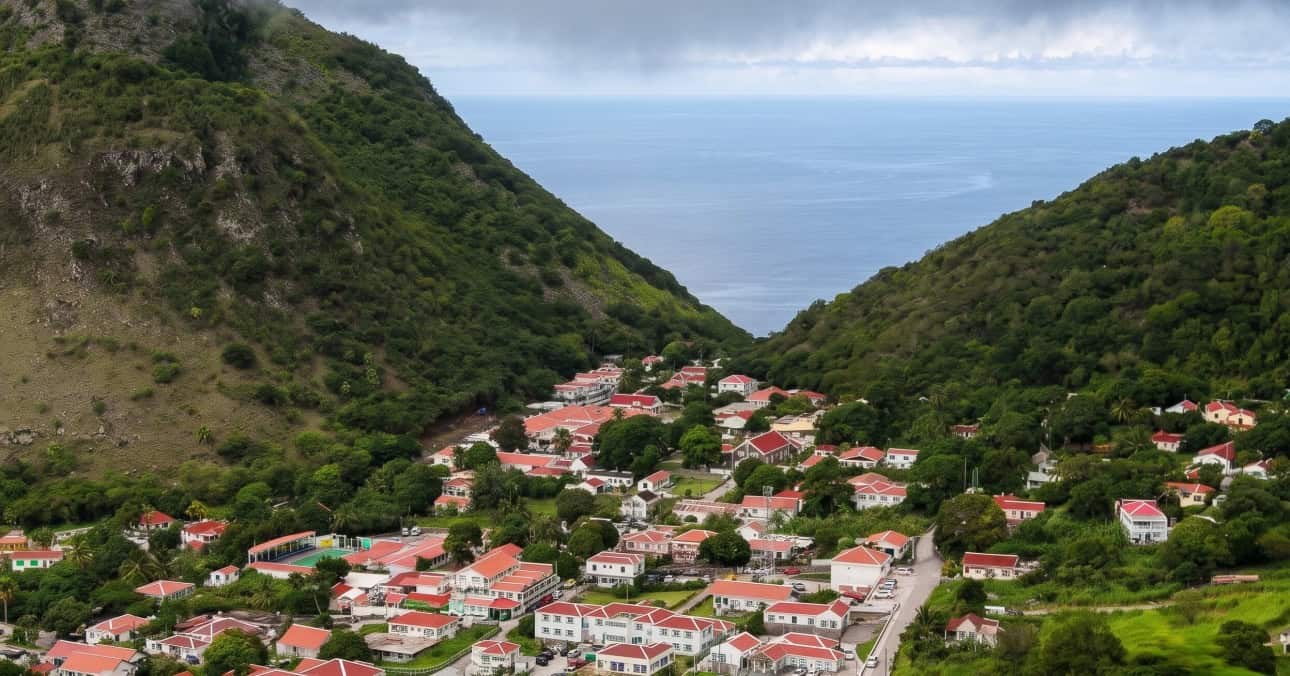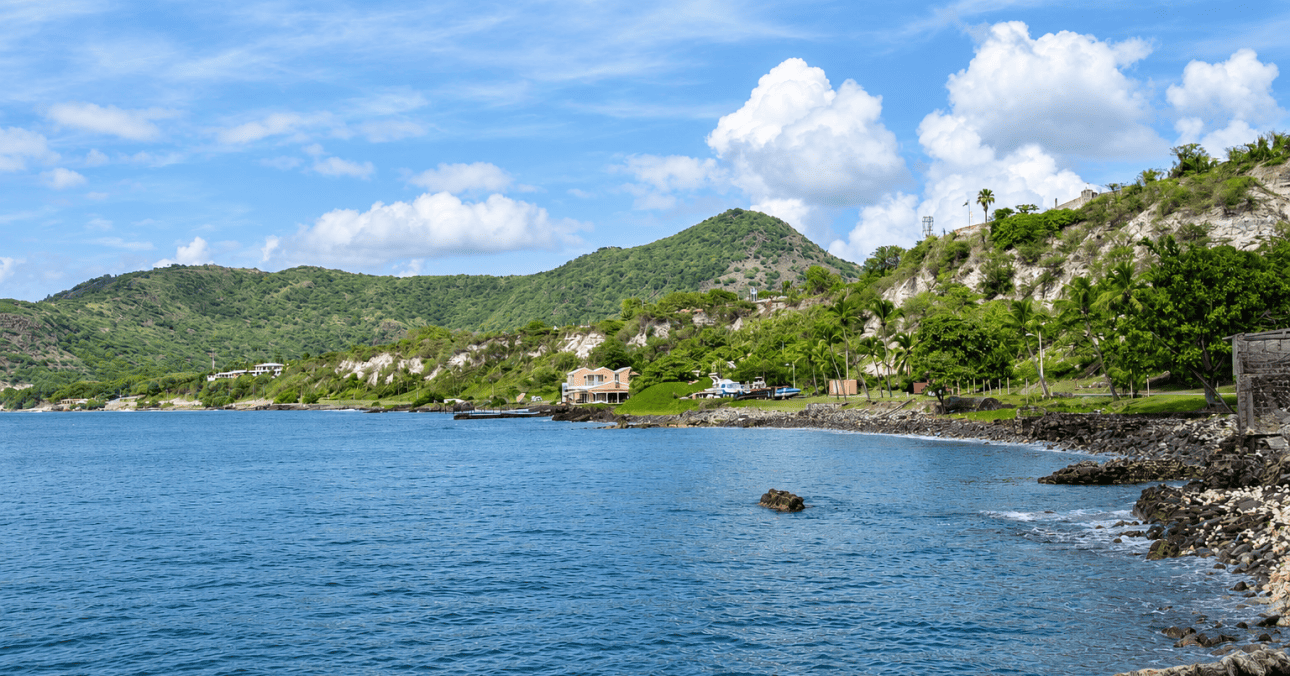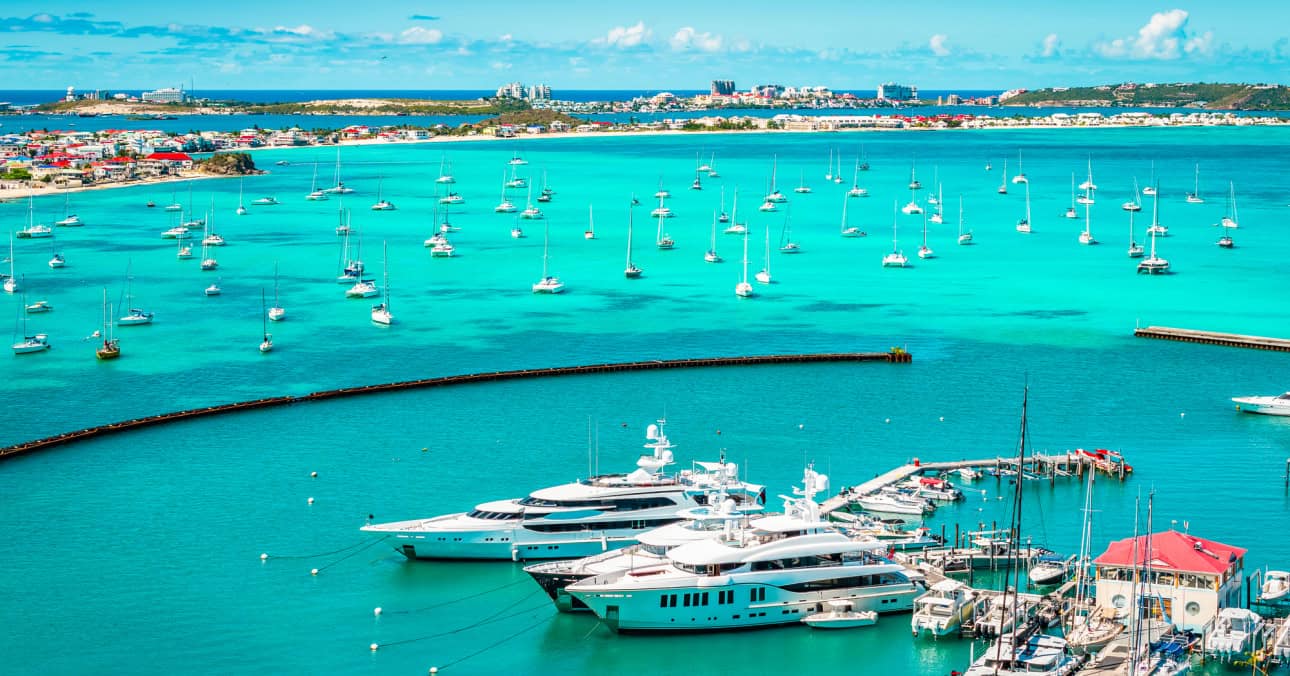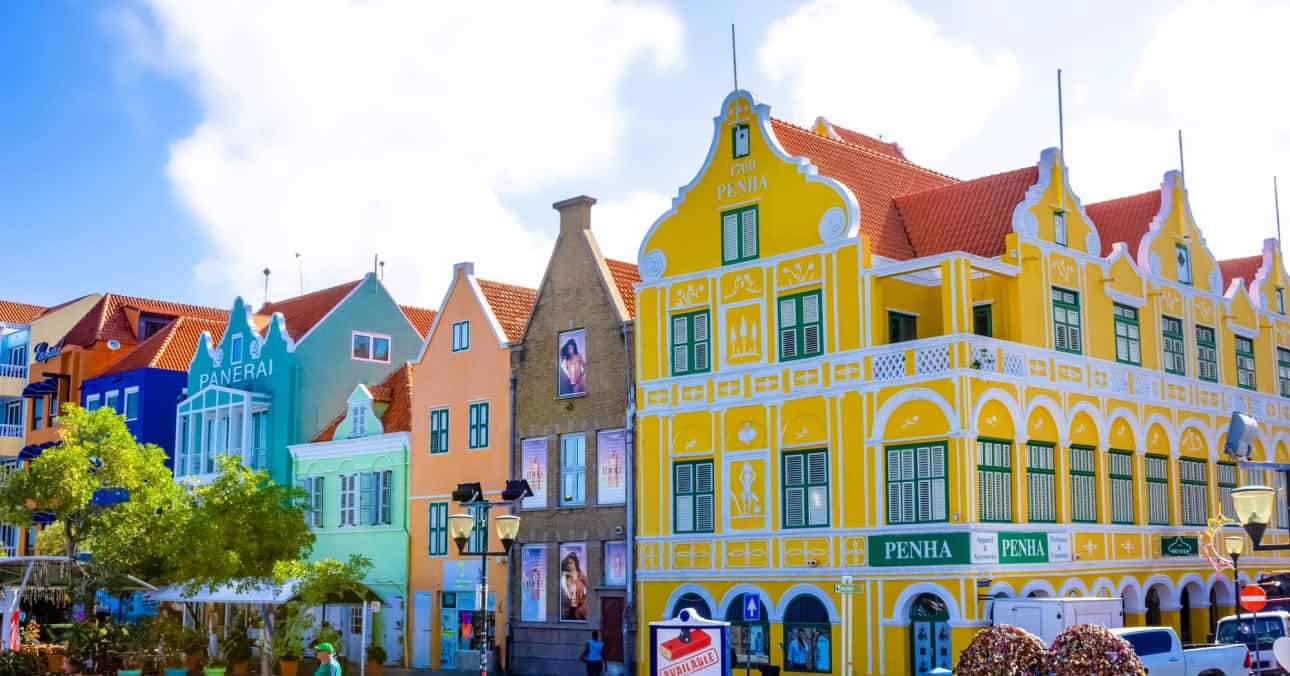

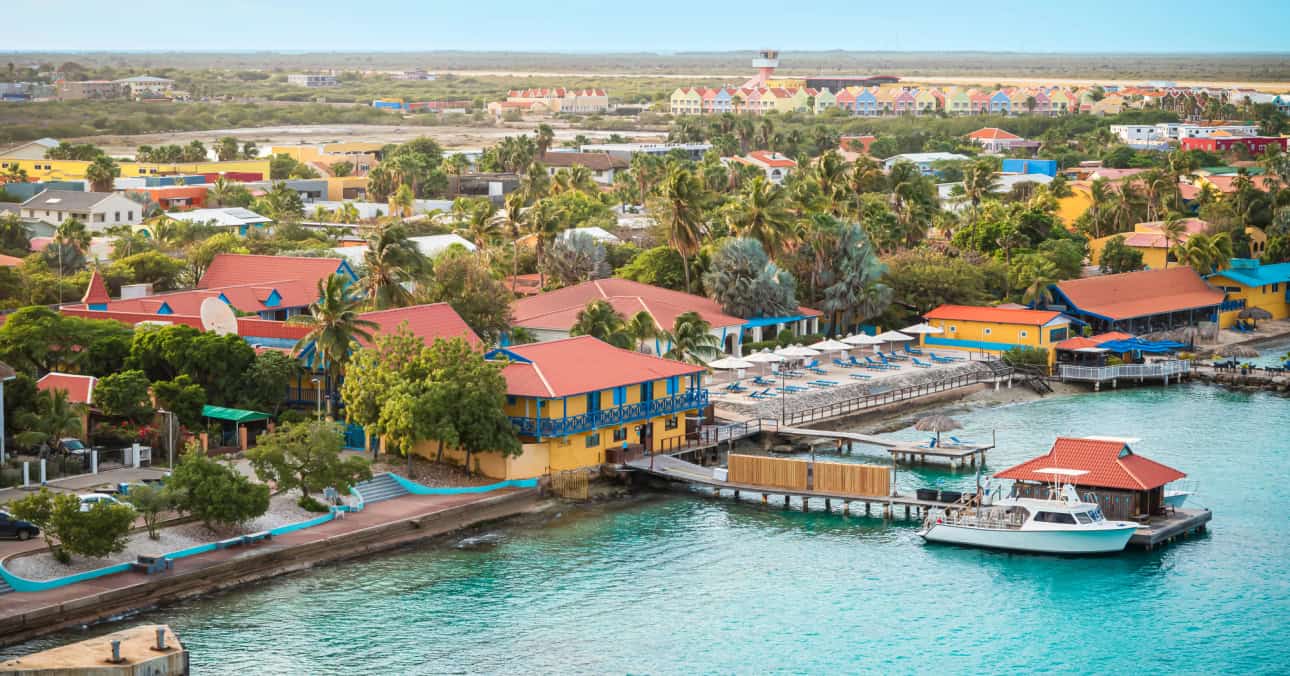
Bonaire is a Caribbean island with a history rooted in Indigenous settlement, colonial exploitation, maritime trade and cultural resilience. Known internationally for its coral reefs, salt flats and protected landscapes, it is also a society facing questions about identity, development and political representation. Since 2010, Bonaire has been part of the country of the Netherlands, a constitutional arrangement that distinguishes it from the autonomous Caribbean countries of the Kingdom.
Kingdom of the Netherlands: An introduction to the series
The Kingdom of the Netherlands is a unique construct: a modern state spanning Western Europe and the Caribbean. Often misunderstood as simply "the Netherlands", the Kingdom consists of four countries, each with its own identity, government and story.
The country of the Netherlands also includes three Caribbean public bodies: Bonaire, Sint Eustatius and Saba, collectively known as the Caribbean Netherlands.
This series explores each part of the Kingdom:
- The Netherlands (Country)
- Aruba (Country)
- Curaçao (Country)
- Sint Maarten (Country)
- Bonaire (Public body of the Netherlands)
- Sint Eustatius (Public body of the Netherlands)
- Saba (Public body of the Netherlands)
Do you run a business? RotterdamStyle is looking for a main sponsor. Get exclusive visibility across our website for a fixed fee. Interested? Contact us 🤝
Introduction
Approximately 80 kilometres off the coast of Venezuela, Bonaire lies in the southern Caribbean, alongside its neighbouring islands of Aruba and Curaçao.
With an area of approximately 288 square kilometres and a population of 27,611 on 1 January 2026, Bonaire is considerably smaller than Aruba or Curaçao in population, but its historical and political significance extends far beyond its size.
Its main town, Kralendijk, stretches along the western coastline, facing the small, uninhabited island of Klein Bonaire. To the north, hills and dry forests form a rugged landscape. In the south, salt ponds, mangroves and shallow coastal waters create an environment unlike the tropical scenery commonly associated with the Caribbean.
Nature has become central to Bonaire's international reputation. Its coral reefs attract divers from around the world, while flamingos, sea turtles and other wildlife inhabit its protected landscapes.
Yet Bonaire's history is more complicated than the familiar image of an island dedicated to conservation and tourism.
Indigenous communities inhabited Bonaire long before European arrival. Spanish colonisation disrupted those communities, while Dutch rule transformed the island into a centre for salt production and other commercial activities.
For generations, much of this work was carried out by enslaved people. Unlike most Caribbean colonies, where enslaved people were predominantly owned by private individuals, a substantial proportion of Bonaire's enslaved population belonged directly to the Dutch colonial authorities.
The legacies of this history remain visible in the island's landscape and cultural traditions.
Bonaire's constitutional position is equally distinctive. While Aruba, Curaçao and Sint Maarten became autonomous countries within the Kingdom, Bonaire followed a different path.
On 10 October 2010, it became a public body of the Netherlands, commonly described as a special municipality. Its government now combines locally elected institutions with direct responsibilities exercised by the Dutch national government.
Fifteen years after this transformation, questions about economic opportunity, social equality, housing, environmental protection and the limits of local decision-making remain prominent.
To understand Bonaire, we therefore have to look beyond its celebrated natural environment. It is a place where centuries of Caribbean history meet the responsibilities of a modern European state, and where the meaning of belonging to the Netherlands continues to be negotiated.
Table of contents
- Ancient Bonaire: Indigenous roots and European colonisation
- Colonial exploitation, slavery and emancipation
- Society and culture: language, migration and community
- Politics and governance: from the Netherlands Antilles to the Caribbean Netherlands
- Economy: salt, tourism and the challenges of growth
- Bonaire in the Kingdom: part of the Netherlands, but different
- Contemporary challenges and opportunities
- Bonairean identity: music, traditions and daily life
- Looking forward: Bonaire and the 21st-century Kingdom
Do you run a business? RotterdamStyle is looking for a main sponsor. Get exclusive visibility across our website for a fixed fee. Interested? Contact us 🤝
1. Ancient Bonaire: Indigenous roots and European colonisation
The island's first inhabitants
Bonaire's human history began long before European ships appeared in the Caribbean.
Archaeological evidence reveals the presence of Indigenous communities whose origins were closely connected to the South American mainland.
The Caquetío, an Arawakan-speaking people, inhabited Bonaire before European colonisation. Their communities maintained connections with the coast of present-day Venezuela, travelling between islands and the mainland by canoe.
Fishing, agriculture and the gathering of natural resources helped sustain life in an environment shaped by limited rainfall and relatively dry conditions.
Archaeological discoveries, including pottery, stone tools and rock drawings, provide evidence of these early communities.
Some of the island's most recognisable traces of Indigenous history can be found at sites such as Onima and Spelonk, where drawings survive on limestone rock surfaces.
The meanings of individual symbols are not always known. Nevertheless, their survival provides an important connection to people who lived on Bonaire long before it acquired its present name or political identity.
Spanish arrival and forced displacement
Spanish exploration reached the southern Caribbean islands around 1499, with expeditions associated with Alonso de Ojeda and Amerigo Vespucci.
The Spanish claimed Bonaire, Aruba and Curaçao as part of their expanding colonial possessions.
However, the islands appeared to offer few of the mineral riches that European colonisers were seeking. Their dry climate also limited opportunities for the kinds of agricultural production being developed elsewhere in the Caribbean.
The Spanish consequently classified the islands among the so-called islas inútiles, or useless islands.
The description reflected the economic priorities of European colonisers rather than the value of the islands to their Indigenous inhabitants.
During the early 16th century, many Indigenous people were forcibly transported to Hispaniola, where they were subjected to enslavement and labour under Spanish colonial rule.
The deportations disrupted existing communities and left Bonaire with a greatly reduced population.
Some Indigenous people later returned, while Spanish settlers introduced livestock and established small-scale agricultural activities.
Goats, sheep, cattle and donkeys became part of the island's economy and landscape.
The settlement of Rincon developed inland, sheltered by surrounding hills and connected to the agricultural and livestock activities of the period.
It remains one of Bonaire's most historically significant communities.
The Dutch takeover
In 1636, during the Eighty Years' War between the Dutch Republic and Spain, the Dutch occupied Bonaire and brought it under the authority of the Dutch West India Company (WIC).
The island was administered in close connection with Curaçao, which had become an important Dutch commercial and military centre two years earlier.
Bonaire's economic value lay primarily in its natural resources.
Livestock, timber, agricultural products and salt contributed to commercial activities, while the island's position in the southern Caribbean connected it to Dutch shipping routes.
Salt became particularly important.
The shallow ponds in Bonaire's southern region provided favourable conditions for producing salt through the evaporation of seawater.
Before refrigeration, salt was essential for preserving food, particularly fish and meat, making it an important commodity in international trade.
Yet the expansion of salt production depended on a system of forced labour that would shape Bonaire's society for generations.
Do you run a business? RotterdamStyle is looking for a main sponsor. Get exclusive visibility across our website for a fixed fee. Interested? Contact us 🤝
2. Colonial exploitation, slavery and emancipation
An island operated as a government plantation
Bonaire occupied an unusual position within the Dutch colonial economy.
Rather than developing into a large plantation society dominated by privately owned sugar estates, much of the island functioned as a plantation operated by colonial authorities.
Under the Dutch West India Company, enslaved people were required to produce salt and perform agricultural, domestic and other forms of labour.
Following changes in colonial administration, ownership of many enslaved people passed directly to the Dutch state.
The result was an arrangement uncommon in the wider Caribbean: a substantial enslaved population held not by individual plantation owners, but by the government itself.
Historical research published in 2026, using colonial records from 1758 to 1863, has helped reconstruct the lives and family relationships of people enslaved under company and state ownership.
These records document individuals who were born on Bonaire, people transported from Africa and enslaved workers transferred from other Dutch Caribbean territories.
They also demonstrate that enslaved people maintained family networks and communities despite the coercive conditions under which they lived.
The records preserve names and family relationships that colonial authorities often regarded primarily as entries in property and labour accounts.
Life in the salt ponds
Salt production was physically demanding and frequently dangerous.
Enslaved workers spent long hours in shallow saltwater under intense sunshine, harvesting salt that would be transported to ships and sold abroad.
The reflection of sunlight from the white salt and water intensified the heat, while continuous exposure to saltwater could cause painful injuries and illness.
Conditions were particularly harsh during the early 19th century.
Historical accounts describe inadequate food, exhausting working hours and long journeys between the salt ponds and other settlements.
Some workers were required to walk considerable distances to Rincon, where family members lived.
Others slept near the salt ponds in basic shelters.
During the early 1850s, small stone huts were constructed near the saltworks to provide sleeping space and storage for the enslaved workers.
These structures are among Bonaire's most recognisable historical landmarks today.
Often referred to as the slave huts, or kasnan di katibu, they remain standing near the salt ponds in the south of the island.
Their modest dimensions offer a stark reminder of the conditions under which people were forced to work.
Nearby obelisks, painted in different colours, once served as navigational markers for ships arriving to collect salt.
The structures now form part of Bonaire's historical landscape, but their significance extends far beyond their appeal as photographic landmarks.
They represent the labour of people whose freedom was denied, and whose work contributed to Dutch colonial commerce.
Emancipation in 1863
Slavery was formally abolished in the Dutch Caribbean colonies on 1 July 1863.
On Bonaire, a total of 758 enslaved people were emancipated.
Of these, 607 were owned by the colonial government, while 151 were held in private ownership.
These figures illustrate the extraordinary extent of direct government involvement in slavery on Bonaire.
The Dutch authorities compensated private enslavers for the loss of what the law had treated as their property. The people who had endured enslavement received no equivalent compensation.
Legal emancipation brought an end to the formal institution of slavery, but it did not immediately create economic independence.
Access to land, employment and resources remained constrained, while the island's small economy offered limited opportunities.
The government subsequently sold large areas of land, contributing to the development of privately operated estates.
Formerly enslaved people and their descendants continued to work in agriculture, salt production, livestock farming and other occupations.
Some families migrated elsewhere in search of employment, particularly as economic conditions changed during the following decades.
Remembering the colonial past
Bonaire's slavery history has received increasing attention through archaeological research, historical scholarship and public discussion.
For many years, the salt huts were among the most visible reminders of the past, while the individual lives of the people who worked there remained less widely documented.
Research into family histories and colonial records is helping restore greater detail to those experiences.
The Netherlands' official reckoning with slavery has also included Bonaire.
On 19 December 2022, the Dutch government formally apologised for its historical role in slavery. During a ceremony on Bonaire, the Dutch Minister of Social Affairs and Employment acknowledged the direct involvement of the Dutch state in the island's system of enslavement.
King Willem-Alexander subsequently apologised for the Dutch royal house's historical role in slavery during the national commemoration on 1 July 2023.
These apologies marked important steps, but questions about historical recognition, equality and the continuing consequences of colonial rule remain part of public debate.
For Bonaire, understanding slavery means recognising not simply the actions of private colonial merchants, but the responsibilities of institutions that were directly involved in the island's exploitation.
Do you run a business? RotterdamStyle is looking for a main sponsor. Get exclusive visibility across our website for a fixed fee. Interested? Contact us 🤝
3. Society and culture: language, migration and community
Papiamentu and everyday life
Papiamentu occupies a central place in Bonairean identity.
The language developed through centuries of contact among African, European and Caribbean peoples, with strong Portuguese and Spanish influences alongside elements from African languages, Dutch and other sources.
Bonaire shares Papiamentu with Curaçao and Aruba, although the latter generally uses the spelling Papiamento.
For many residents, Papiamentu is the language of family life, friendship, humour, music and cultural expression.
According to Statistics Netherlands, approximately 62% of Bonaire's population identified Papiamentu as the language most frequently spoken at home in 2021.
Dutch, Spanish and English also feature prominently in daily communication.
This multilingualism reflects both Bonaire's Caribbean connections and its constitutional relationship with the Netherlands.
Government administration, education and public services must operate in a society where residents have different linguistic backgrounds and needs.
Protecting Papiamentu
The position of Papiamentu has become an important subject of cultural and educational policy.
Although Dutch has a substantial role in public administration and education, local authorities have emphasised that strengthening Papiamentu is essential to preserving Bonairean identity and improving educational opportunities.
In January 2023, Bonaire adopted an island-wide language policy recognising Papiamentu as the foundation of its multilingual development.
On 22 January 2024, Papiamentu on Bonaire received recognition under Part III of the European Charter for Regional or Minority Languages.
The recognition creates commitments concerning the protection and promotion of the language in areas such as education, culture, government, media and public life.
It also reflects a broader understanding that Bonaire's relationship with the Netherlands should accommodate its own linguistic identity rather than assuming that Dutch is the natural language of every community within the country.
A changing population
Migration has transformed Bonaire's population over recent decades.
The island has long maintained close connections with Curaçao, Aruba, Venezuela and the European Netherlands.
However, its population has grown particularly rapidly since the constitutional changes of 2010.
In 2011, Bonaire had approximately 15,700 residents. By 1 January 2026, the population had increased to 27,611.
Much of this growth has resulted from immigration.
People have moved to Bonaire from the European Netherlands, Curaçao, Colombia, the Dominican Republic, Venezuela and other countries.
According to Statistics Netherlands, the proportion of residents born on Bonaire declined from approximately 42% in 2011 to 30% in 2025.
This does not mean that the number of Bonaire-born residents decreased. Their absolute number increased, but the total population grew more rapidly.
The changes have contributed to greater cultural diversity and economic activity.
They have also created new questions about housing, employment, land use, integration and the preservation of local language and traditions.
For established Bonairean communities, rapid demographic change can raise concerns about whether future generations will be able to afford homes and maintain their place in the society in which they grew up.
Community and belonging
Bonaire remains a relatively small society in which family relationships, neighbourhood networks, churches and community organisations play important roles.
Roman Catholicism has historically been influential, alongside other Christian denominations and religious communities.
Migration has added to the diversity of religious and cultural life.
Kralendijk is the island's main administrative and commercial centre, while surrounding neighbourhoods such as Antriol, Nikiboko, Tera Korá and Nort Saliña have their own identities and community histories.
Rincon, situated inland in the northern part of Bonaire, maintains a particularly strong association with the island's historical and cultural traditions.
These communities help preserve a sense of belonging that cannot be reduced to population statistics or constitutional arrangements.
Do you run a business? RotterdamStyle is looking for a main sponsor. Get exclusive visibility across our website for a fixed fee. Interested? Contact us 🤝
4. Politics and governance: from the Netherlands Antilles to the Caribbean Netherlands
The Netherlands Antilles
For much of the 20th century, Bonaire formed part of the Netherlands Antilles.
The Charter for the Kingdom of the Netherlands, introduced in 1954, established the Netherlands Antilles as a country within the Kingdom, with responsibility for many internal affairs.
Bonaire had its own island administration, but important decisions were also made through the Netherlands Antillean government based in Curaçao.
Over time, differences in economic circumstances, population and political priorities contributed to debates about whether the Netherlands Antilles should continue as a single country.
Aruba separated from the Netherlands Antilles in 1986, obtaining autonomous country status within the Kingdom.
During the following decades, the remaining islands also considered different constitutional alternatives.
Bonaire's eventual choice would differ significantly from that of Curaçao and Sint Maarten.
The constitutional changes of 2010
On 10 October 2010, the Netherlands Antilles was formally dissolved.
Curaçao and Sint Maarten became autonomous countries within the Kingdom of the Netherlands.
Bonaire, Sint Eustatius and Saba became public bodies of the country of the Netherlands, collectively known as the Caribbean Netherlands.
This arrangement is commonly described as special municipal status.
However, the term does not mean that Bonaire functions in precisely the same way as a municipality in the European Netherlands.
The island has its own administrative structure and is not part of a Dutch province.
Different legal provisions apply in various areas, reflecting geographical conditions, economic circumstances and the islands' distinct social and cultural backgrounds.
Unlike Aruba, Curaçao and Sint Maarten, Bonaire is therefore not a separate autonomous country within the Kingdom.
It is constitutionally part of the Netherlands itself.
The Island Council and local government
Bonaire's local government consists of an elected Island Council, an Executive Council and a Lieutenant Governor.
The Island Council represents residents and supervises the work of the Executive Council.
The Executive Council is responsible for day-to-day administration, including responsibilities concerning local development, public facilities and certain government services.
The Lieutenant Governor fulfils administrative and public-order responsibilities and serves as an important link between local institutions and the wider Dutch governmental system.
Following the 2023 Island Council elections, the Council consisted of nine members.
In July 2026, the Dutch Senate approved legislation expanding the Island Councils of Bonaire, Sint Eustatius and Saba.
Under the legislation, Bonaire's Council is scheduled to increase from nine to eleven members following the elections of March 2027.
The changes are intended to strengthen democratic representation and improve the capacity of local government.
Political representation in the Netherlands
Because Bonaire is part of the Netherlands, eligible Dutch citizens living on the island can participate in elections to the Dutch House of Representatives.
Residents also participate in the process of electing the Dutch Senate through an electoral college, while eligible voters may take part in European Parliament elections.
This is an important difference from the constitutional arrangements of Aruba, Curaçao and Sint Maarten.
At the same time, the distance between Bonaire and The Hague creates practical and political challenges.
Many national policy decisions are made in the European Netherlands, where the vast majority of the country's population lives.
Bonaire's relatively small population means that its electoral influence is limited compared with that of larger Dutch regions.
This has contributed to continuing debates about political representation, administrative authority and the degree of decision-making that should remain on the island.
Autonomy, equality and local identity
The constitutional changes of 2010 were intended to create new arrangements for public administration and government services.
They also introduced questions that remain politically sensitive.
How should Dutch national laws apply in a Caribbean society with different economic, cultural and geographical circumstances?
When should Bonaire receive the same treatment as the European Netherlands, and when are different arrangements justified?
And how much authority should locally elected representatives exercise over decisions affecting the island's future?
These questions have become especially relevant in discussions about social security, housing, education, taxation and environmental policy.
They illustrate the fundamental challenge of Bonaire's constitutional position: being part of the Netherlands does not eliminate the differences between its Caribbean and European communities.
Do you run a business? RotterdamStyle is looking for a main sponsor. Get exclusive visibility across our website for a fixed fee. Interested? Contact us 🤝
5. Economy: salt, tourism and the challenges of growth
From salt and agriculture to modern industry
For generations, Bonaire's economy depended on natural resources and small-scale commercial activities.
Salt production, livestock farming, fishing, aloe cultivation and the trade in agricultural products provided employment and income.
Economic opportunities were often limited, and changing international conditions could have considerable consequences for the island.
The salt industry remained important well beyond the abolition of slavery.
During the 20th century, industrial methods transformed salt production, allowing large quantities to be harvested and exported with substantially less manual labour.
Today, the extensive salt ponds in southern Bonaire remain an important feature of the island's economy and landscape.
The bright white salt mountains and strikingly coloured evaporation ponds are internationally recognisable, but their history also connects modern industry to centuries of colonial labour.
The rise of tourism
Tourism has become one of Bonaire's principal economic activities.
The island is particularly well known for scuba diving, snorkelling and other forms of marine recreation.
Its relatively accessible coral reefs and established marine conservation policies helped develop an international reputation as a diving destination.
Visitors are also attracted by the island's dry landscapes, coastal scenery, wildlife and cultural heritage.
In 2025, Bonaire received 199,084 stay-over visitors, according to figures presented by Tourism Corporation Bonaire.
Statistics Netherlands also recorded approximately 399,000 cruise passenger arrivals during the same year, based on provisional figures.
These numbers are considerable for an island with fewer than 28,000 permanent residents.
Tourism supports hotels, restaurants, dive centres, transport services, retail businesses and numerous other activities.
However, the different types of tourism have different economic effects.
Visitors staying on the island generally spend more time using local accommodation, restaurants and services, while cruise passengers typically remain for only part of a day.
The scale and character of tourism development have therefore become important subjects of public debate.
Economic growth and its limits
Bonaire's economy has grown substantially during the years following the constitutional changes of 2010.
According to Statistics Netherlands, its economy expanded by 4% in 2024, with growth across numerous sectors.
Accommodation, food services, healthcare, retail and utilities were among the activities contributing to economic expansion.
Between 2014 and 2024, Bonaire's inflation-adjusted gross domestic product increased by more than 40%.
Population growth and tourism have helped stimulate demand for housing, construction, goods and services.
But economic growth does not necessarily translate into financial security for every resident.
The benefits of development may be distributed unevenly, particularly when the costs of housing, transport, food and utilities increase alongside employment and investment.
The US dollar and the cost of living
Bonaire's official currency is the United States dollar, introduced as legal tender in the Caribbean Netherlands on 1 January 2011.
This distinguishes it from the European Netherlands, which uses the euro, and from Aruba, Curaçao and Sint Maarten, which maintain their own Caribbean currencies.
The use of the US dollar reflects the islands' economic connections with the Caribbean, the Americas and international trade.
However, Bonaire remains heavily dependent on imported goods.
Food, vehicles, fuel, building materials and numerous household products must be transported from abroad, contributing to relatively high prices.
Shipping costs, international price changes and limited competition in certain markets can have significant effects on household budgets.
In the third quarter of 2026, consumer prices on Bonaire were 5.9% higher than a year earlier, according to Statistics Netherlands.
Transport costs were among the principal contributors to the increase.
These pressures help explain why the cost of living remains one of the most prominent issues in Bonaire's political and social discussions.
Do you run a business? RotterdamStyle is looking for a main sponsor. Get exclusive visibility across our website for a fixed fee. Interested? Contact us 🤝
6. Bonaire in the Kingdom: part of the Netherlands, but different
One Kingdom, two constitutional arrangements
The Kingdom of the Netherlands consists of four countries: the Netherlands, Aruba, Curaçao and Sint Maarten.
Bonaire is not a fifth country.
Instead, it forms part of the country of the Netherlands, alongside Sint Eustatius and Saba.
This means the relationship between Bonaire and the European Netherlands differs fundamentally from the relationship between the Netherlands and the three autonomous Caribbean countries.
Aruba, Curaçao and Sint Maarten govern their domestic affairs under their own constitutional systems.
Bonaire has local government, but many responsibilities are exercised directly by Dutch national institutions.
These include important areas of taxation, social security, healthcare, justice and education.
The distinction matters because it determines which governments are responsible for public services, legislation and the rights of residents.
Citizenship and European connections
Dutch nationality applies throughout the Kingdom, including Bonaire.
Residents who hold Dutch nationality have Dutch passports and are citizens of the European Union.
Nevertheless, Bonaire is not part of the European Union's territory in the same way as the European Netherlands.
It has a special relationship with the European Union as an Overseas Country and Territory.
This arrangement reflects the island's geographical and constitutional circumstances.
It is possible, therefore, to be part of the Netherlands without living in the European territory of the Netherlands or participating in every aspect of the European Union's legal framework.
Different laws for different circumstances
Dutch legislation recognises that the Caribbean Netherlands has circumstances different from those of the European part of the country.
Geography, economic conditions, population size, climate and cultural traditions can justify specific arrangements.
However, the existence of different laws and social programmes also creates questions about equality.
Residents of Bonaire may be Dutch citizens, but social security benefits, taxation and certain public services are governed by rules that differ from those in the European Netherlands.
The central question is not necessarily whether every rule should be identical.
Rather, it is whether the arrangements provide appropriate protection, equal dignity and fair opportunities for residents living under different circumstances.
This distinction has become increasingly important in political and legal discussions.
The continuing debate about constitutional status
Since 2010, Bonaire's relationship with the Netherlands has remained a subject of debate.
Some residents and political representatives have argued that closer integration with the Netherlands should bring more equal social and economic conditions.
Others have emphasised the importance of greater local authority and stronger protection of Bonairean culture and identity.
These perspectives are not necessarily incompatible.
Residents may want access to adequate public services while also expecting local institutions to retain meaningful influence over decisions concerning land, development and cultural life.
The resulting debate concerns the practical meaning of belonging to the Netherlands.
It asks whether a political system designed around the needs of a European country can adequately represent a Caribbean island whose language, history and environment differ so substantially.
Do you run a business? RotterdamStyle is looking for a main sponsor. Get exclusive visibility across our website for a fixed fee. Interested? Contact us 🤝
7. Contemporary challenges and opportunities
Protecting the marine environment
Bonaire's natural environment is central to its identity and economy.
The island is internationally recognised for its coral reefs, marine life and protected coastal ecosystems.
The Bonaire National Marine Park was established in 1979 and protects marine habitats surrounding Bonaire and Klein Bonaire.
Its management is closely associated with STINAPA Bonaire, the foundation responsible for managing important protected areas on the island.
The marine park includes coral reefs, seagrass beds and mangrove ecosystems that provide habitat for fish, turtles and numerous other species.
Klein Bonaire, the small island opposite Kralendijk, also plays an important ecological role, including as a nesting area for sea turtles.
On land, Washington Slagbaai National Park protects dry forests, hills, coastal habitats and historically significant former plantation landscapes.
The park traces its origins to the establishment of Washington Park in 1969, with the neighbouring Slagbaai estate subsequently incorporated into the protected area.
Flamingos, the yellow-shouldered Amazon parrot, locally known as the lora, and numerous other species contribute to Bonaire's distinctive biodiversity.
Coral reefs under pressure
Bonaire's marine environment faces serious threats despite decades of conservation efforts.
Rising sea temperatures, coral disease, pollution, sedimentation and coastal development all affect the health of coral reefs.
Marine heatwaves can cause coral bleaching, while changing ocean chemistry makes it more difficult for corals to build and maintain their skeletons.
Damage to reefs has consequences extending beyond biodiversity.
Coral ecosystems support fisheries, tourism and coastal protection, helping reduce the force of waves reaching the shoreline.
Conservation organisations have responded through reef monitoring, restoration projects and efforts to reduce local environmental pressures.
However, local conservation cannot fully protect Bonaire from global climate change.
The future of its reefs therefore depends on both island-level action and wider international efforts to reduce greenhouse gas emissions.
A landmark climate judgment in 2026
On 28 January 2026, the District Court of The Hague delivered a significant ruling concerning the protection of Bonaire's residents from climate change.
The case was brought by Greenpeace Netherlands on behalf of island residents who argued that the Dutch government had failed to take adequate measures to protect them from climate-related risks.
The court found that the Netherlands had not provided sufficiently timely and appropriate protection.
It also concluded that residents of Bonaire had been treated differently from residents of the European Netherlands without adequate justification, violating protections against discrimination.
The ruling required the Dutch state to establish legally binding national emissions targets and develop a climate adaptation plan addressing Bonaire's particular vulnerabilities.
The government announced in April 2026 that it would appeal the judgment, arguing that aspects of its legal reasoning required further examination.
At the same time, the government acknowledged the seriousness of the climate risks facing Bonaire and expressed its intention to continue developing adaptation measures.
The case has become an important part of the wider debate about equality within the Netherlands.
It demonstrates that the consequences of climate change are not distributed evenly across the country, and that differences in geography may require more specific protections rather than less attention.
Housing, poverty and social security
Rapid population growth has increased demand for housing, land and infrastructure.
For residents with limited incomes, securing affordable accommodation can be particularly difficult.
The growth of tourism and property development has created economic opportunities, but it has also intensified concerns about the availability of housing for local families.
Social security and household income remain important issues.
According to Statistics Netherlands, approximately 21% of Bonaire's residents lived in poverty in 2024, using the poverty measure developed for the Caribbean Netherlands.
The figure reflected an improvement compared with previous years, but it still represented a substantial proportion of the population.
In January 2026, the statutory minimum wage on Bonaire increased to US$10.69 per hour, while several social benefits were also adjusted.
Such measures are intended to improve purchasing power and reduce economic hardship.
Nevertheless, the relationship between wages, household expenses and the island's relatively high cost of living remains a continuing challenge.
Education and healthcare
Bonaire's constitutional relationship with the Netherlands creates opportunities for cooperation in education and healthcare.
At the same time, the island's small population and geographical distance from major centres present practical limitations.
Fundashon Mariadal is a central institution in Bonaire's healthcare system, providing hospital services and other forms of medical care.
Specialised treatments may require cooperation with healthcare providers in Curaçao, Aruba or the European Netherlands.
Education presents similar challenges.
Young people seeking certain vocational or university programmes often need to continue their studies elsewhere, particularly in the European Netherlands.
This can create opportunities for personal and professional development, but it may also contribute to the departure of younger residents.
Maintaining accessible education, supporting multilingual learning and creating employment opportunities for qualified graduates are therefore important priorities.
Managing growth
Perhaps Bonaire's most important long-term challenge is deciding how much development the island can accommodate.
Tourism, migration and economic investment contribute to employment and public revenues.
Yet they also increase pressure on roads, electricity, drinking water, waste management, housing and natural habitats.
Because Bonaire has limited land and highly sensitive ecosystems, decisions about construction and infrastructure can have lasting consequences.
Its future will depend on balancing economic opportunity with the protection of the natural and cultural resources that make the island distinctive.
Do you run a business? RotterdamStyle is looking for a main sponsor. Get exclusive visibility across our website for a fixed fee. Interested? Contact us 🤝
8. Bonairean identity: music, traditions and daily life
Music and cultural memory
Bonaire's cultural traditions reflect centuries of Indigenous, African, European and Caribbean influences.
Music has been particularly important in preserving collective memory and expressing community identity.
Traditional musical forms include bari and harvest-related songs and dances associated with Simadan.
Percussion instruments, scraped instruments such as the wiri, and locally adapted musical instruments contribute to these traditions.
Music also reflects the island's connections with Curaçao, Aruba and the wider Caribbean.
Tumba, salsa, merengue and other Caribbean and Latin American styles form part of Bonaire's musical landscape.
These influences are heard at festivals, family celebrations, community events and public performances.
According to Statistics Netherlands, 54% of Bonaire's residents aged fifteen and older attended at least one live cultural performance or event during 2025.
Traditional and Caribbean music and dance were among the most popular forms of entertainment.
Simadan: the harvest celebration
One of Bonaire's most distinctive cultural traditions is Simadan, the traditional harvest celebration.
The festival is associated with agricultural life, particularly the harvesting of sorghum, known locally as maishi chiki.
Its roots are connected to the island's African heritage and the experiences of communities who worked the land during and after slavery.
Traditional songs, music and dance accompany the celebration.
The wapa, a dance associated with the movements of agricultural work, forms an important part of the tradition.
Simadan preserves memories of farming communities, shared labour and cultural expression in a society whose economy has changed dramatically.
Today, it continues to be celebrated through community events, particularly in Rincon, where many of Bonaire's traditional customs remain strongly represented.
Dia di Rincon
Every year on 30 April, Bonaire celebrates Dia di Rincon, one of the island's largest cultural events.
The celebration takes place in the historic village of Rincon, which has long been associated with Bonaire's agricultural heritage and community traditions.
Music, dance, local food, traditional clothing and cultural activities bring residents and visitors together.
The event also provides an opportunity to recognise the historical importance of Rincon and the traditions preserved by its inhabitants.
Dia di Rincon has become an official public holiday, reflecting the significance of the celebration to Bonairean identity.
Although it attracts visitors from elsewhere, its importance lies primarily in the continuation of local culture and community memory.
National symbols and Dia di Boneiru
Bonaire has its own flag, coat of arms and anthem, despite not being a separate country within the Kingdom.
The flag was adopted in 1981 and incorporates yellow, white and blue fields, a compass and a red six-pointed star.
Its symbolism reflects the island's natural environment, maritime history and communities.
The anthem, Tera di Solo y Suave Biento, expresses affection for Bonaire and its identity.
Every year on 6 September, the island celebrates Dia di Boneiru, Bonaire Day.
The occasion brings together official ceremonies, cultural performances, music and community activities.
In 2026, the celebrations also marked the 40th anniversary of Bonaire's coat of arms, under a theme focused on protecting the island.
The emphasis on protecting nature, language, culture and community reflected concerns that extend well beyond the celebrations themselves.
For Bonaire, national symbols provide a way of expressing a distinct island identity within the broader country of the Netherlands.
Food and local traditions
Bonairean cuisine reflects the island's historical connections with the wider southern Caribbean.
Traditional dishes include stewed goat, fish, soups and meals served with funchi, a cornmeal-based dish familiar throughout the ABC islands.
Pan bati, a soft local flatbread, is another characteristic accompaniment.
Other foods reflect influences from Curaçao, Aruba, Venezuela and the many communities that have settled on Bonaire.
Food remains an important part of family gatherings, public celebrations and community life.
Local eateries, markets and cultural festivals preserve recipes and cooking traditions that have developed through generations.
These everyday practices are an important part of Bonaire's identity, even though they receive less international attention than its marine environment.
Sport and recreation
Sport is another important aspect of life on Bonaire.
Football, baseball, athletics and other activities have established communities of participants and supporters.
The island's natural conditions have also made it internationally known for windsurfing, particularly around Lac Bay and Sorobon.
Bonairean athletes have participated in international competitions, sometimes representing the Netherlands and sometimes competing under regional or other sporting arrangements.
These achievements contribute to local pride and provide opportunities for young people to develop skills beyond the island.
Life beyond the tourism industry
Internationally, Bonaire is often described through images of coral reefs, flamingos, salt mountains and quiet beaches.
But everyday life is shaped by concerns familiar to communities elsewhere.
Residents work, attend school, raise families, participate in local organisations and debate political decisions affecting their future.
The island's neighbourhoods and villages have distinct characters, influenced by migration, economic development and historical traditions.
Kralendijk has expanded as the population has grown, bringing new residential areas, shops and services.
Rincon retains strong associations with agricultural history and cultural preservation.
Other communities reflect the island's continuing transformation into a multilingual society with connections extending across the Caribbean, Latin America and Europe.
For many Bonaireans, the challenge is to preserve what makes the island home while accommodating economic and demographic changes that are often difficult to control locally.
Do you run a business? RotterdamStyle is looking for a main sponsor. Get exclusive visibility across our website for a fixed fee. Interested? Contact us 🤝
9. Looking forward: Bonaire and the 21st-century Kingdom
Bonaire's future will be shaped by the relationship between economic development, environmental protection and its constitutional position within the Netherlands.
Its economy has expanded considerably since 2010, supported by tourism, migration and investment.
At the same time, rapid growth has intensified pressure on housing, infrastructure and the natural environment.
Protecting coral reefs, managing coastal development and responding to climate change will be essential to maintaining both biodiversity and economic resilience.
The climate litigation of 2026 has also brought renewed attention to the responsibilities of the Dutch government towards its Caribbean residents.
Its significance extends beyond the details of environmental law.
The case raises a broader question about whether citizens living in geographically different parts of the same country receive appropriate protection and consideration from their government.
Social inequality, the cost of living and access to public services remain equally important.
Improving household incomes, developing affordable housing and providing quality education and healthcare will require sustained cooperation between Bonaire's local institutions and the Dutch national government.
But cooperation must also account for Bonaire's own cultural and political identity.
Papiamentu, traditional music, community celebrations and historical memory remain essential parts of the island's social fabric.
Preserving these traditions becomes increasingly important as population growth and international development change the composition of local communities.
Bonaire's constitutional position presents both opportunities and difficulties.
Being part of the Netherlands provides access to national institutions and resources, but also places important decisions within a political system centred thousands of kilometres away.
The challenge is to ensure that local communities have meaningful influence over the development of their island while benefiting from the protections and responsibilities associated with Dutch citizenship.
As Bonaire continues to change, its success will depend on more than economic statistics or visitor numbers.
It will depend on whether residents can build secure lives, maintain their cultural identity and protect the environment that connects their past to their future.
Conclusion
Bonaire's history is one of adaptation, endurance and the continuing struggle to determine its own future.
From Indigenous communities and Spanish colonisation to the salt industry, government-owned slavery and emancipation, the island has experienced profound changes shaped by forces beyond its shores.
Its cultural traditions, language and community life have survived these transformations, contributing to a distinctive Bonairean identity.
Today, Bonaire is part of the Netherlands, but its Caribbean geography, history and society make it fundamentally different from the country's European territories.
Its relationship with the Dutch government therefore raises questions about equality, representation and the meaning of shared citizenship.
Nature conservation, economic development and cultural preservation are not separate concerns. They are closely connected to the lives and aspirations of the people who call Bonaire home.
For the Kingdom of the Netherlands, Bonaire illustrates an important reality: sharing a country does not require sharing identical circumstances, but it does create responsibilities that cannot be separated by distance.
The challenge is to build a future in which Bonaire's unique character is protected, its residents have genuine opportunities to prosper, and its place within the Netherlands reflects both the rights and the identity of its people.