
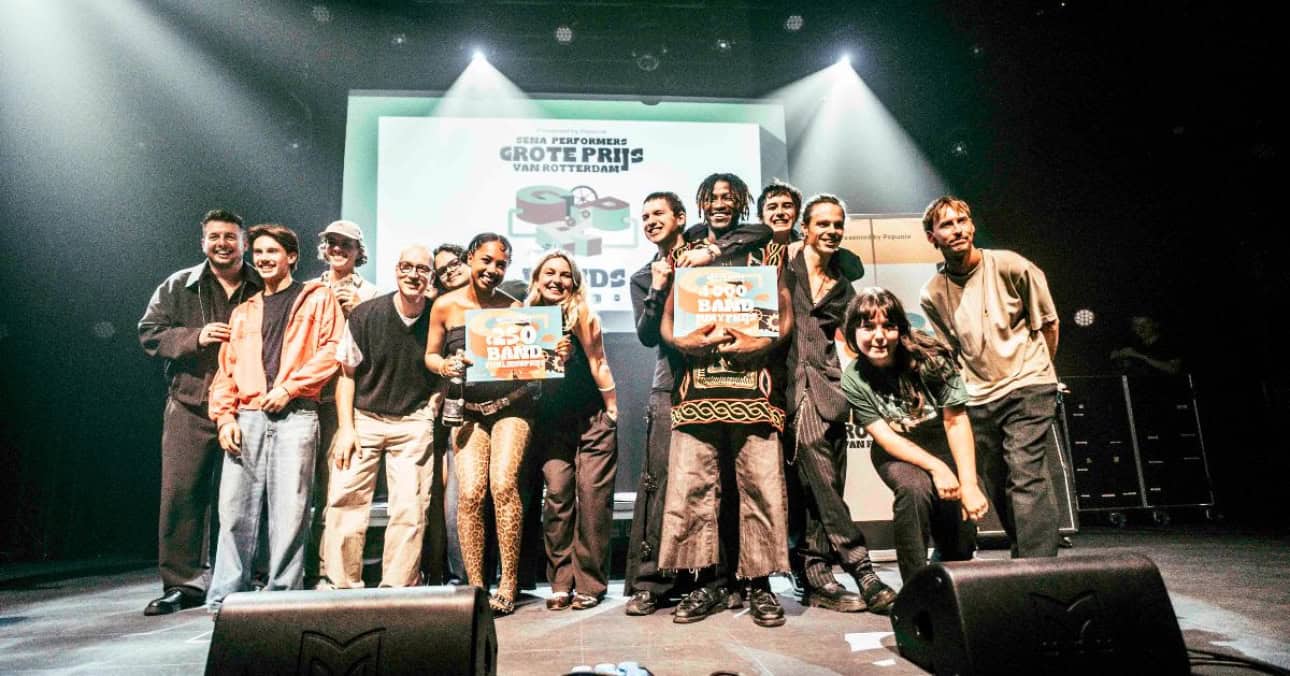
ROTTERDAM, 25 September 2026 – The winners of the Sena Performers Grote Prijs van Rotterdam 2026 are complete after Loveth Besamoh took the jury prize in the Bands category at the new Baroeg on Thursday night. Lewis, Stellar Wave and MAIKA won the other jury awards, while KOKO, NLMB, JessyJiggy and RACHAN were chosen as audience favourites across the four categories.
Loveth Besamoh wins at Baroeg
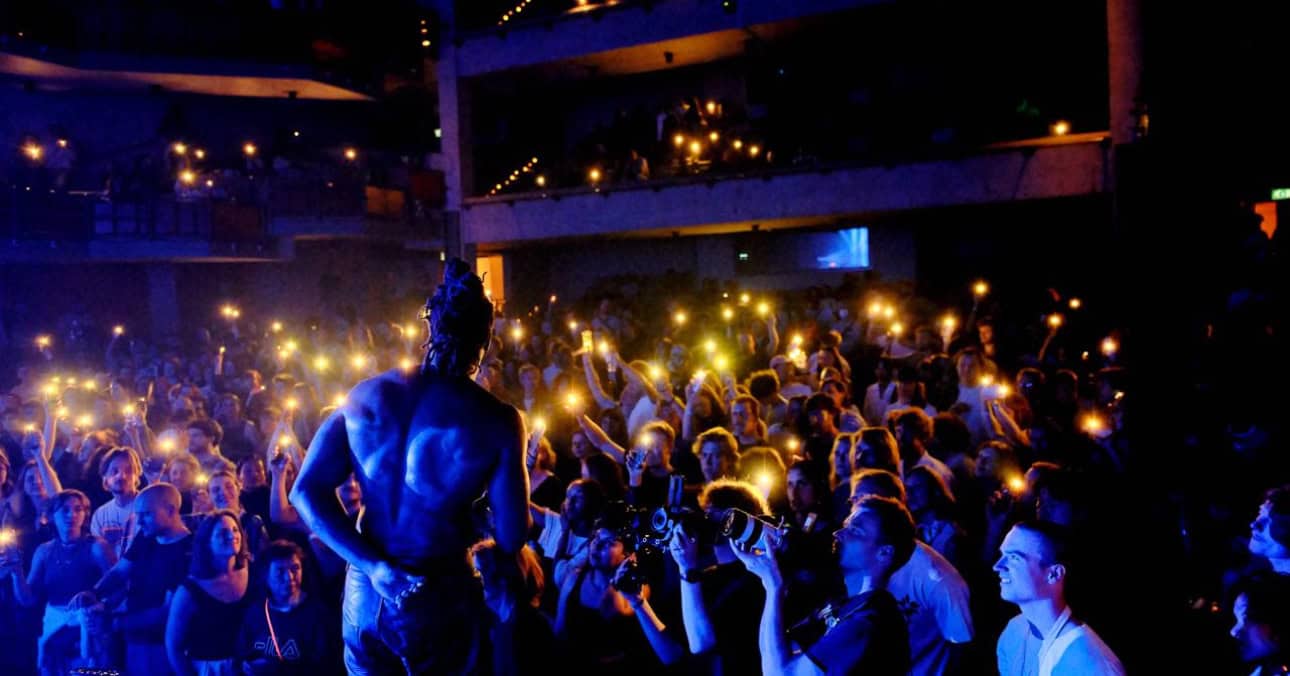
The final of the Bands category brought Loveth Besamoh, Lui Surreal, Talks Make Do and KOKO to Baroeg on 24 September. Fifth finalist Mila & Mira had to withdraw from the performance because of personal circumstances.
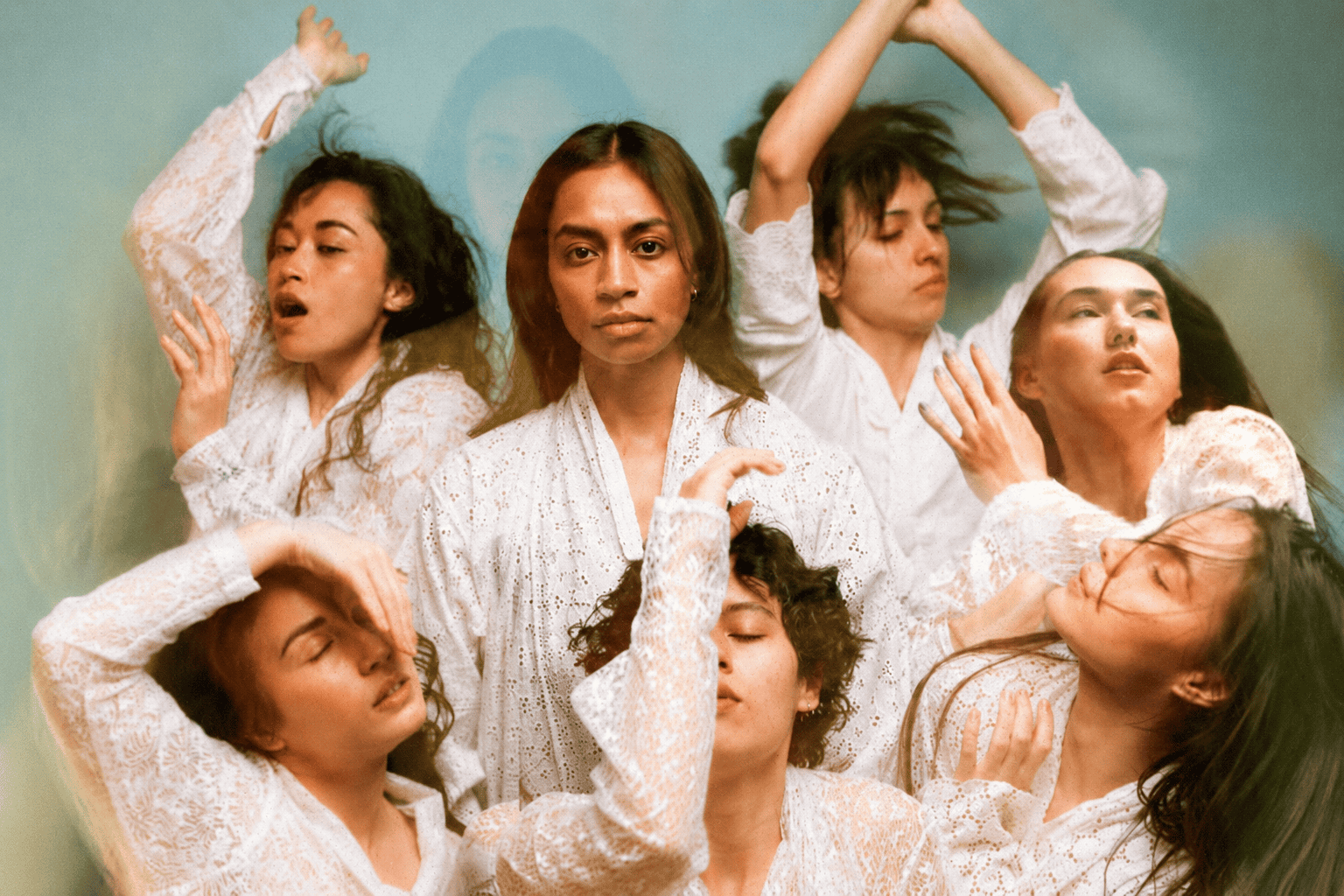
With punk, indie, post-punk and soul all represented during the evening, the jury ultimately selected Loveth Besamoh as the category winner. Judges Canan Yurdakul of EBB Music/Kaynaş Club, Bart Kuntz of Bibelot and musician Franti Marešová praised the band’s distinctive sound and the way different genres, roots and instruments came together.
The jury described the performance as moving “from an ambient opening into danceable mayhem”, calling the result convincing, mysterious and musically distinctive.
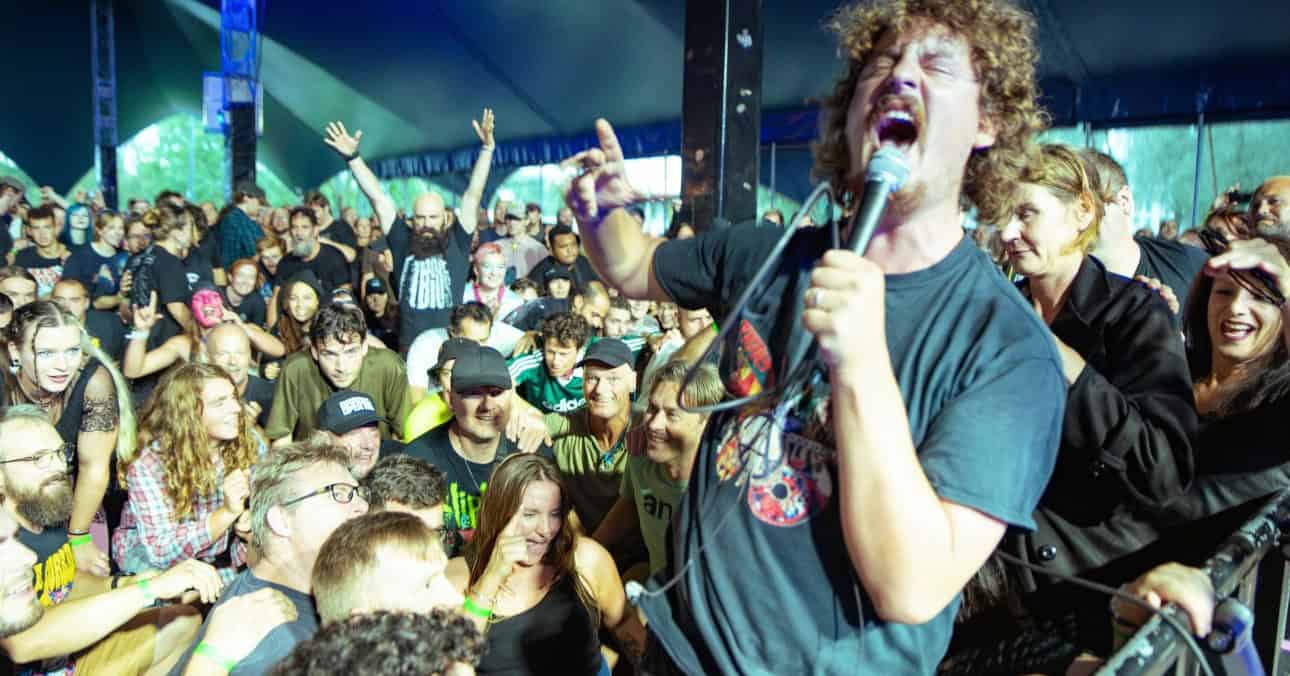
KOKO was the audience favourite in the Bands final. The jury also highlighted the act’s confident stage presence and potential.
Do you run a business? RotterdamStyle is looking for a main sponsor. Get exclusive visibility across our website for a fixed fee. Interested? Contact us 🤝
Lewis, Stellar Wave and MAIKA also win
The other three competition finals took place at BIRD and Theater Zuidplein on 17 and 18 September.
In the Hiphop category, Lewis won the jury prize after a performance the judges described as contemporary, distinctive and complete, with strong energy and visuals. NLMB received the audience award after winning over the room with its groove and dance-driven performance.
The Producer final took a different approach. Contestants were challenged to create a track within one hour and then present the result to the jury. Stellar Wave took the jury prize, while JessyJiggy became the audience favourite.
At Theater Zuidplein, MAIKA won the Singer/Songwriter category. The jury highlighted the strength of the lyrics, the structure of the show and a confident stage presence. RACHAN received the audience prize after creating what the jury described as a colourful and visually distinctive performance world within a 20-minute set.
Eight winners across four categories
The complete 2026 list is:
- Bands jury prize: Loveth Besamoh
- Bands audience prize: KOKO
- Hiphop jury prize: Lewis
- Hiphop audience prize: NLMB
- Producer jury prize: Stellar Wave
- Producer audience prize: JessyJiggy
- Singer/Songwriter jury prize: MAIKA
- Singer/Songwriter audience prize: RACHAN
The Grote Prijs van Rotterdam is intended as more than a one-night competition. Each finalist receives a performance fee of €340 per person, up to a maximum of six people per act.
Do you run a business? RotterdamStyle is looking for a main sponsor. Get exclusive visibility across our website for a fixed fee. Interested? Contact us 🤝
Winners move into development programmes
Each jury winner receives €1,000, a tailored masterclass and a development programme with a professional of their choice. Where possible, the winners will also perform at Bevrijdingsfestival Zuid-Holland 2027 in Rotterdam.
The jury winners will furthermore be nominated for the Rotterdam Music Awards in the De Belofte category. Audience winners receive €250.
Both the jury winners and audience favourites receive a one-year subscription to Meet The Pro sessions for two people. The prizes and performance fees are supported by Sena Performers.
More information about the competition and participating artists is available at popunie.nl and groteprijsrotterdam.nl.