
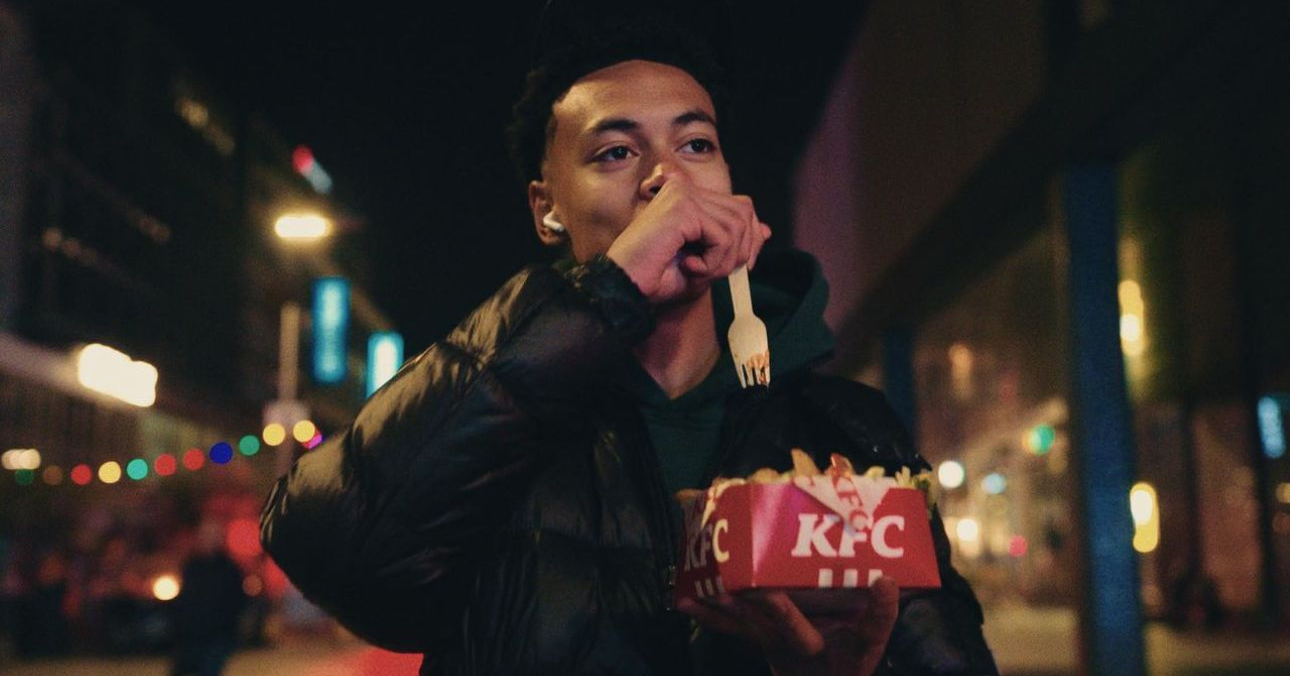
ROTTERDAM, 1 July 2026 – KFC’s Kipsalon is back on the menu this summer, until 17 August, bringing the chain’s chicken-based version of Rotterdam’s best-known fast-food creation into the summer holidays. The temporary dish combines fries, Crispy Tenders, melted cheese, salad and sauces, with a vegetarian version also available.
The Kipsalon is clearly not the original, and KFC does not pretend otherwise. Its return is instead presented as another variation on a dish that began as a local lunch order in Delfshaven and grew into a piece of Rotterdam food heritage.
Do you run a business? RotterdamStyle is looking for a main sponsor. Get exclusive visibility across our website for a fixed fee. Interested? Contact us 🤝
Kipsalon returns until August
KFC’s version starts with Crispy Fries and Crispy Tenders, followed by mozzarella, iceberg lettuce, tomato, garlic mayonnaise and fire sauce. The vegetarian Kipsalon offers a meat-free alternative using KFC’s veggie option.
The dish previously appeared as a temporary menu item and developed enough of a following to earn another run. This summer edition is available at participating KFC restaurants in the Netherlands until and including Monday 17 August.
KFC first developed its version in 2021 and has brought it back several times since. In 2024, Rotterdam was chosen for the temporary Nacht KFC on Schiekade, where late-night visitors could try the Kipsalon before it returned nationwide. As with most temporary fast-food products, availability may differ by restaurant or ordering channel.
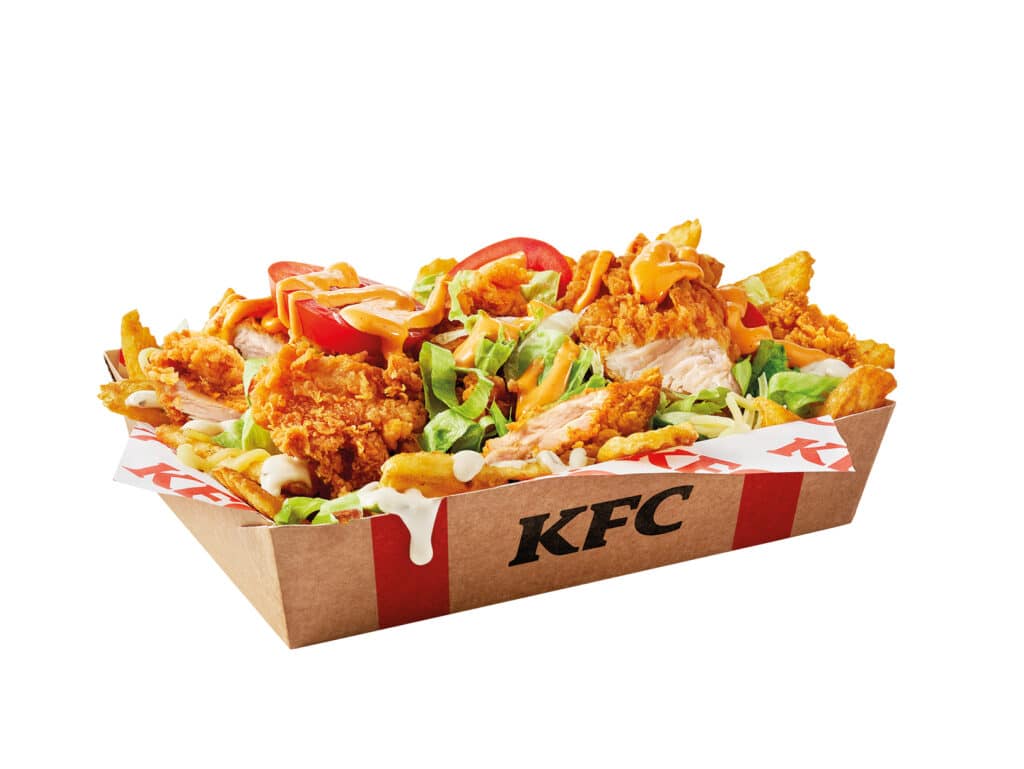 KFC’s Kipsalon returns to the menu from 1 July to 17 August 2026. The KFC Kipsalon combines Crispy Fries, Crispy Tenders, mozzarella, salad and sauces.
Do you run a business? RotterdamStyle is looking for a main sponsor. Get exclusive visibility across our website for a fixed fee. Interested? Contact us 🤝
The original was born in Delfshaven
The original kapsalon was created around 2003 at El Aviva on Schiedamseweg in Rotterdam-Delfshaven. The widely told version centres on Cape Verdean-Rotterdam hairdresser Nathaniël ‘Tati’ Gomes, who worked nearby and wanted his favourite ingredients combined in one aluminium takeaway tray.
A classic kapsalon begins with fries and shawarma or döner meat, covered with cheese and heated until the cheese melts. Lettuce and other salad ingredients are added afterwards, followed by garlic sauce and sambal.
Because the order came from the neighbouring hair salon, staff and customers began calling it the kapsalon, the Dutch word for hairdressing salon. Other customers noticed the combination, ordered it themselves and helped it travel from one Rotterdam snack bar to menus across the Netherlands and beyond.
The precise story of who assembled the first version has become slightly contested. Gomes is widely credited as the person behind the request, while the family behind El Aviva has said the final dish developed through experimentation by the snack bar’s staff and people from the neighbouring salon. Either way, the kapsalon emerged through local contact on Schiedamseweg, rather than in a test kitchen or restaurant group headquarters.
Do you run a business? RotterdamStyle is looking for a main sponsor. Get exclusive visibility across our website for a fixed fee. Interested? Contact us 🤝
A distinctly Rotterdam invention
Part of the kapsalon’s appeal lies in the cultures layered inside one tray. Its familiar form brings together fries and cheese associated with Dutch snack culture, shawarma or döner, fresh salad, garlic sauce and Indonesian sambal.
That combination could only really have emerged in a city where communities, food traditions and businesses meet at street level. It is less a carefully designed fusion dish than a practical Rotterdam invention: put the favourite ingredients together, make it filling and give it a name everyone remembers.
The practice of preparing and eating kapsalon is included in the Dutch inventory of intangible cultural heritage. Rotterdam historians have also used the dish as an example of contemporary city heritage, shaped by migration, entrepreneurship and everyday neighbourhood life.
KFC’s Kipsalon changes the central ingredient and uses its own sauces and cheese, so nobody should confuse it with the Delfshaven original. Still, every new variation points back to Rotterdam, El Aviva and the unlikely lunch order that became one of the city’s most recognisable culinary exports.

.jpg)