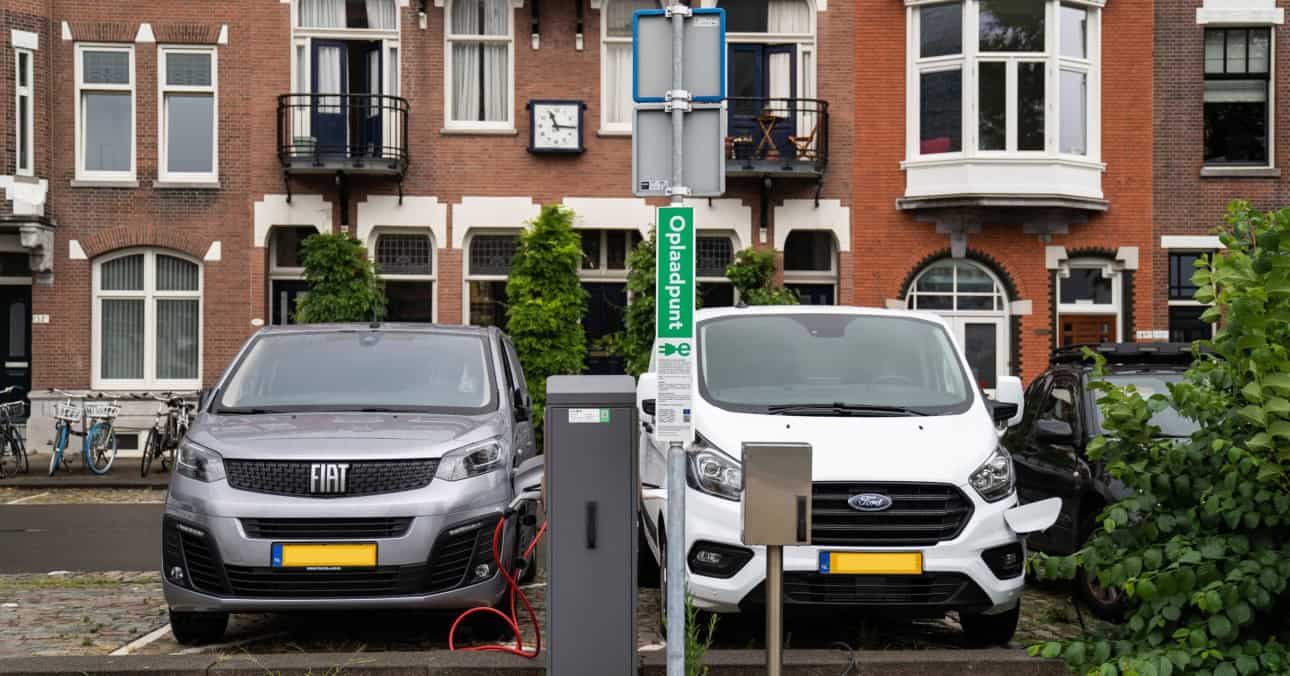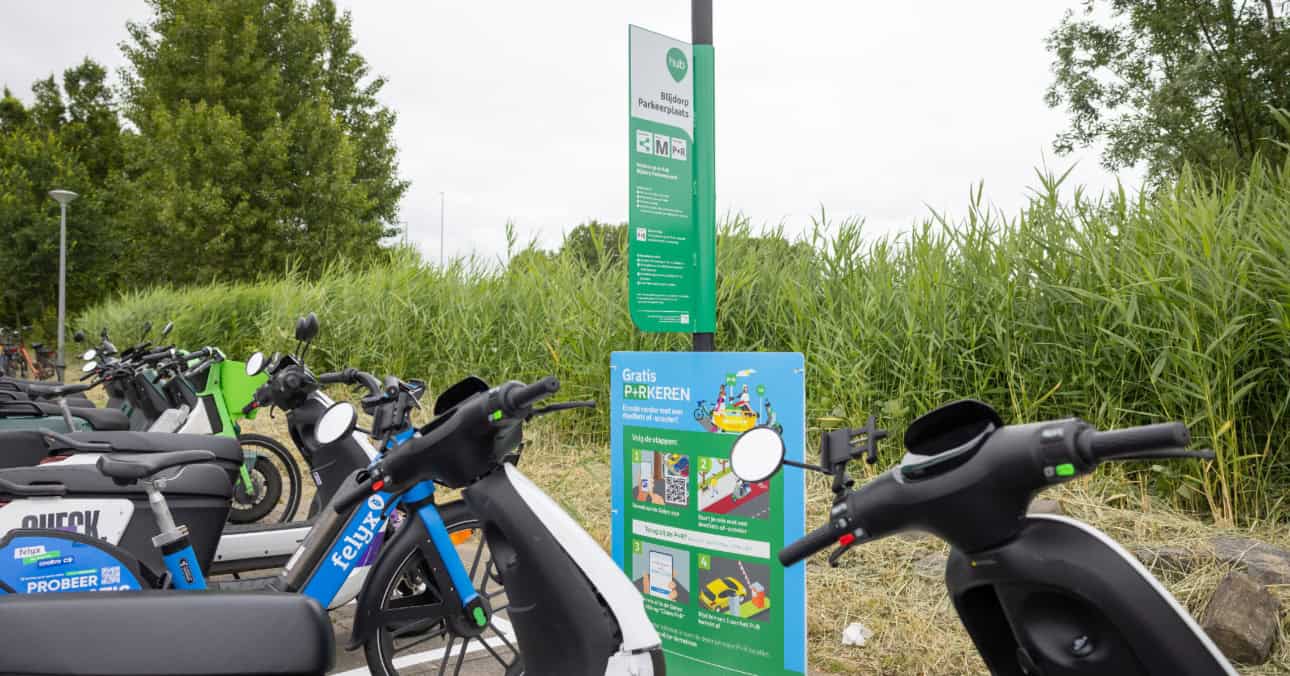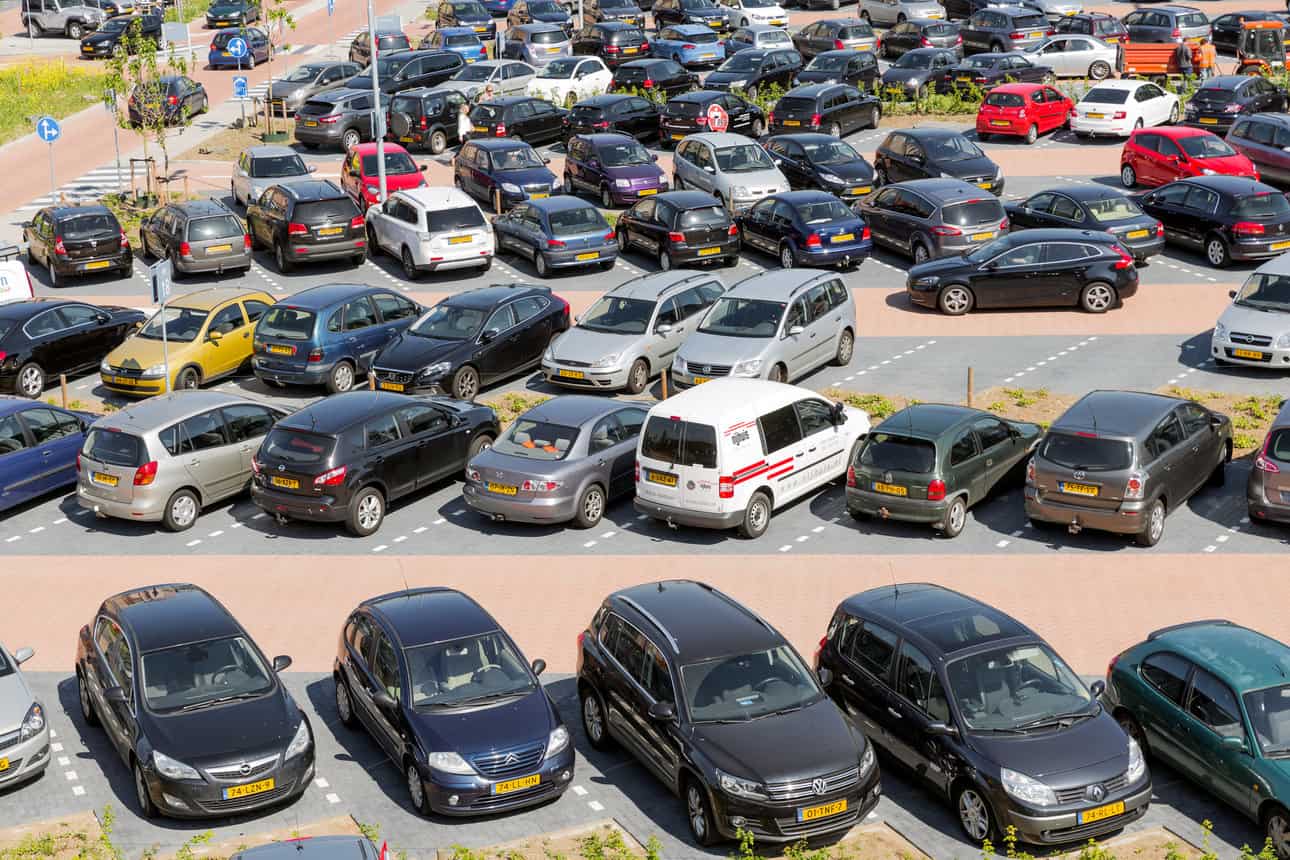

ROTTERDAM, 8 September 2026 – Rotterdam plans to introduce paid parking step by step across nearly all neighbourhoods outside the ring road, with Nesselande proposed as the first area from 1 December 2026. Street parking will also become more expensive from 1 November and paid-parking hours will be extended, while the cost of resident and business permits will remain unchanged.
Paid parking expands across Rotterdam
The measures are part of Rotterdam’s 2026-2030 coalition agreement, Vaart Maken. The municipal executive has approved the measures and sent its proposed implementation plan to the city council.
The expansion covers neighbourhoods outside Rotterdam’s ring road, with Hoek van Holland, Rozenburg, Pernis and Heijplaat excluded. The change will not happen everywhere at once. Rotterdam says introducing paid parking throughout all affected areas simultaneously is technically impossible, so neighbourhoods will be added in stages.
The municipality also wants to limit the so-called ‘waterbed effect’, where drivers move their cars into a neighbouring area as soon as parking becomes paid on the other side of the boundary. By moving progressively into adjoining neighbourhoods, the city hopes periods of increased parking pressure in still-free areas will remain relatively short.
Do you run a business? RotterdamStyle is looking for a main sponsor. Get exclusive visibility across our website for a fixed fee. Interested? Contact us 🤝
Nesselande is first in line
Under the proposed schedule, Nesselande will introduce paid parking on 1 December 2026. Residents and neighbourhood councils will be informed before the system reaches their area, and drop-in sessions will be organised to help people apply for permits.
After Nesselande, the proposed order is Zevenkamp, Ommoord, Het Lage Land, Oosterflank, ’s-Gravenland, Prinsenland and Kralingseveer, Overschie, the Spaanse Polder and Noordwest business parks, Schiebroek, Hillegersberg, Oud-IJsselmonde and Beverwaard, and finally Hoogvliet.
Some neighbourhoods will be divided into separate areas rather than switching to paid parking in one go. The municipality has not given implementation dates for every neighbourhood yet.
The first-car resident parking permit will continue to cost €9.50 per month. A second and, where available, third permit will remain €25.70 per month each, while a business parking permit will continue to cost €50.70 per month.
Street parking gets more expensive
While permit prices remain unchanged, regular street parking rates are going up considerably from 1 November 2026.
In the highest tariff zone, the hourly rate will increase from €6.42 to €7.20. The middle tariff rises from €3.20 to €5.00 per hour, while the lowest tariff increases from €2.24 to €3.00.
Paid-parking hours (venstertijden) will also be extended in existing paid-parking areas where applicable. From Monday to Saturday, payment will apply from 09:00 until 23:00. On Sundays, the hours will run from 12:00 until 23:00.
Mobility alderman Chantal Zeegers says the city wants greater control over how limited public space and parking spaces are divided. Higher street tariffs are also intended to discourage drivers without a destination in a neighbourhood from parking there and encourage alternatives such as cycling and public transport.
Do you run a business? RotterdamStyle is looking for a main sponsor. Get exclusive visibility across our website for a fixed fee. Interested? Contact us 🤝
Discounts and exceptions remain available
Rotterdam already has special parking arrangements for situations where the standard permit system does not fit. These will also apply in the newly introduced paid-parking areas.
Social organisations, for example, can qualify for additional permits or bundles of parking hours for members, volunteers and employees. Stop & Sport and Stop & Shop schemes will also be available around participating sports clubs and shopping areas, while reduced rates are possible for visitors of permit holders and informal carers.
Exactly which arrangements are needed in each neighbourhood will be decided together with the local neighbourhood councils. Current information about these schemes is available at rotterdam.nl/maatwerk-parkeerproducten.
The municipality argues that lower parking pressure can eventually create more room for greenery, safer streets, recreation and other uses of public space. Zeegers also acknowledges that the expansion will take some getting used to, while confirming that paid parking will generate additional municipal income that the city intends to reinvest in Rotterdam.
So if free street parking has been one of the perks of living just outside the ring, it may be worth enjoying it while it lasts.