
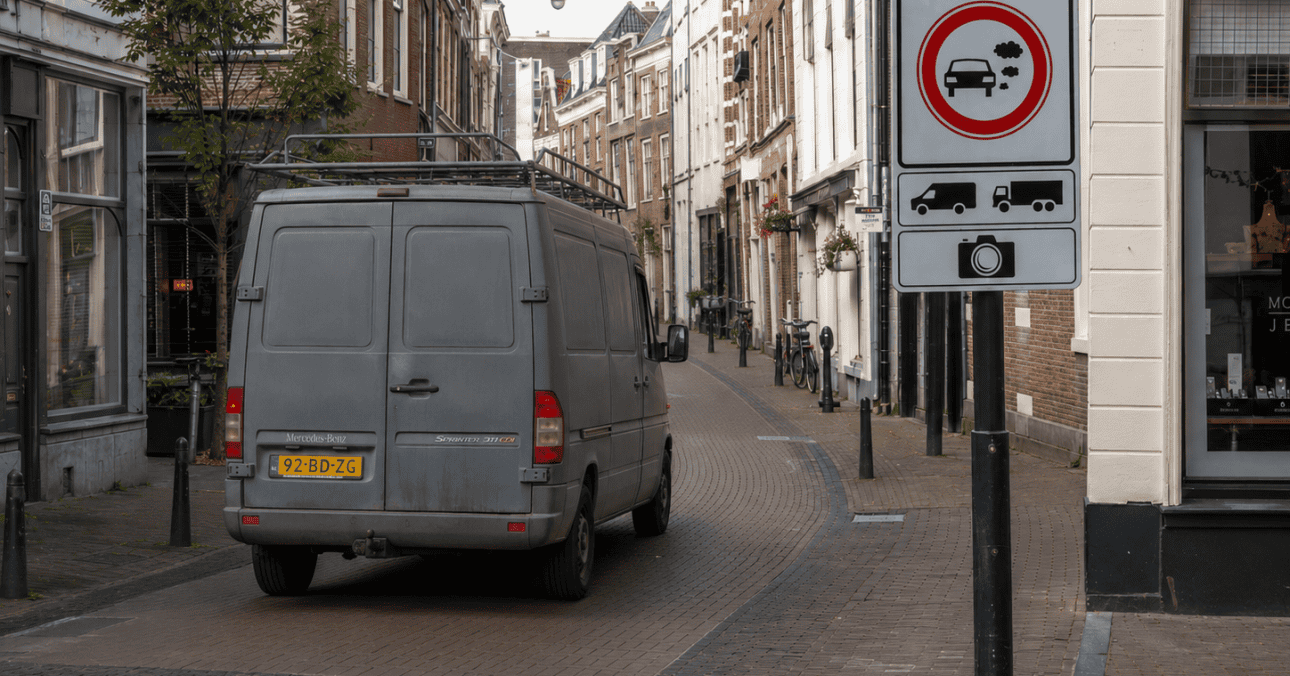
ROTTERDAM, 23 June 2026 – Nearly one in five delivery vans in Rotterdam could lose access to zero-emission zones from 1 January 2027, according to a new analysis. The figures show how close the next step in cleaner city logistics now is, but also how much work remains for local entrepreneurs who still depend on older diesel vans.
The change is part of Rotterdam’s wider move towards cleaner and more sustainable urban transport. The city’s zero-emission zone (zero-emissiezone) is already active, and the next deadline will make the rules stricter for Euro 5 diesel vans.
Do you run a business? RotterdamStyle is looking for a main sponsor. Get exclusive visibility across our website for a fixed fee. Interested? Contact us 🤝
Older vans face new deadline
According to the analysis, 19% of delivery vans in the municipality of Rotterdam are already too old to enter tightened zero-emission zones from next year. Another 10% fall into a risk group, mainly vehicles from the transition years between 2012 and 2015, many of which are also expected to be affected.
Rotterdam’s average delivery van age has risen to 6.8 years since 2018. That is still younger than the Zuid-Holland average of 7.3 years and the national average of 7.9 years, which means Rotterdam’s business fleet is in a slightly better starting position than many other places.
Do you run a business? RotterdamStyle is looking for a main sponsor. Get exclusive visibility across our website for a fixed fee. Interested? Contact us 🤝
Even so, the pressure is becoming more concrete. Because access to zero-emission zones is linked to emissions class, and indirectly to vehicle age, older diesel vans will gradually lose access to city centres that have introduced these zones.
For Rotterdam, that means the shift to cleaner logistics is not an abstract climate policy anymore. It is becoming a planning issue for builders, caterers, service companies, couriers, installers and other businesses that need to move tools, products or staff through the city.
Cleaner logistics reshape the city
Rotterdam is one of the Dutch cities where the zero-emission zone is already active. These zones are designed to reduce emissions from business vans and lorries in urban areas, making city centres cleaner, quieter and healthier over time.
The local benefit is clear: fewer polluting vans in the busiest parts of the city should help improve air quality and reduce emissions. In that sense, the stricter rules are part of Rotterdam becoming greener and more sustainable.
Do you run a business? RotterdamStyle is looking for a main sponsor. Get exclusive visibility across our website for a fixed fee. Interested? Contact us 🤝
The challenge is that sustainability also has a practical side. Many entrepreneurs are willing to look at electric vans, but not every business can switch at the same speed.
Range, payload, towing capacity, charging access and purchase or lease costs still matter. A florist, plumber, caterer or contractor may all need a van, but not in the same way, and definitely not with the same daily route.
Electric interest is growing
Researchers at Regeljelease.nl say interest in electric vans has grown strongly. Higher diesel prices earlier this year and new tax pressure from 2027 are pushing more companies to review their fleet.
Founder Sem Smeenk points to the new pseudo-final levy, which is expected to apply from 1 January 2027 to fossil-fuel vehicles made available by employers to employees. “Entrepreneurs will then have to pay 12 per cent tax annually on the catalogue value of fossil-fuel vehicles that the employer makes available to their employees. That is €5,400 per year for a car worth €45,000,” Smeenk explains.
Do you run a business? RotterdamStyle is looking for a main sponsor. Get exclusive visibility across our website for a fixed fee. Interested? Contact us 🤝
According to Smeenk, many companies are already preparing for that new reality. “Although fossil-fuel vehicles are still technically ‘cheap’ under the current rules, companies are already anticipating this new situation.”
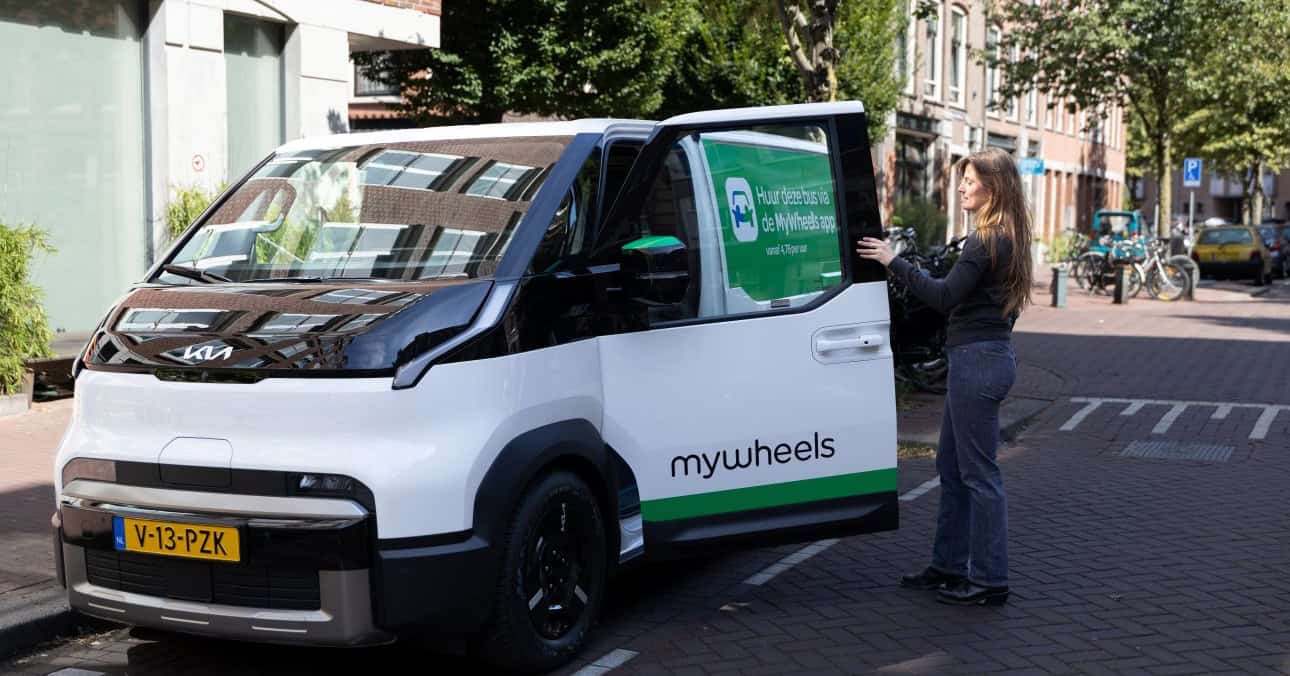
The electric van market is also becoming more practical. Models such as the Volkswagen ID. Buzz and the Ford E-Transit Custom show that electric driving and everyday business use are becoming easier to combine.
Not every switch is simple
Smeenk also warns that electric vans are not yet a realistic solution for every type of work. “The market is maturing. Models such as the Volkswagen ID. Buzz and the Ford E-Transit Custom show that electric driving and practical convenience increasingly go hand in hand,” he says.
“But for the heaviest jobs, diesel vans will still be used because of the essential advantages in range, payload and towing capacity. In fact, with heavy materials or tools, diesel is still the only serious option for many entrepreneurs. It is bitter that a large group of hard-working entrepreneurs will no longer be able to enter the cities because of this.”
Do you run a business? RotterdamStyle is looking for a main sponsor. Get exclusive visibility across our website for a fixed fee. Interested? Contact us 🤝
That tension is likely to define the coming year. Rotterdam wants cleaner logistics, while many small and medium-sized businesses need time, money and certainty to adapt.
The good news is that the direction is now clearer. Entrepreneurs who regularly drive into Rotterdam’s zero-emission zone have a strong reason to check their vehicle class, calculate replacement timing and look at electric, waterstof or temporary transition options before the 2027 deadline arrives.
Check before 2027
Regeljelease.nl has published a national map showing zero-emission zones and the number of vans at risk. Rotterdam businesses can also check official access rules and their vehicle situation through the national and municipal zero-emission zone information channels. For companies that depend on driving into the city every day, waiting until December is probably not the power move.







.jpg "Popronde Rotterdam - date, locations, artists, info")