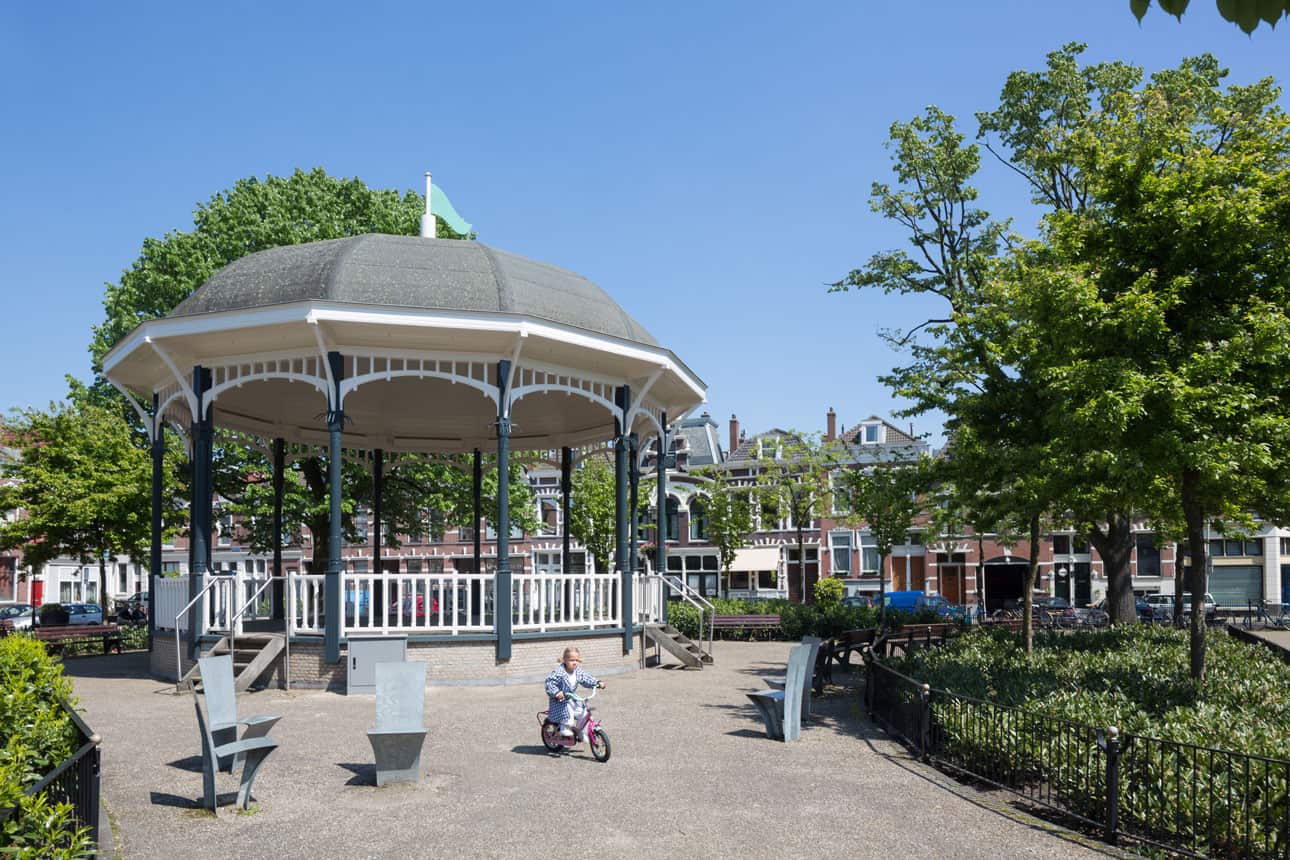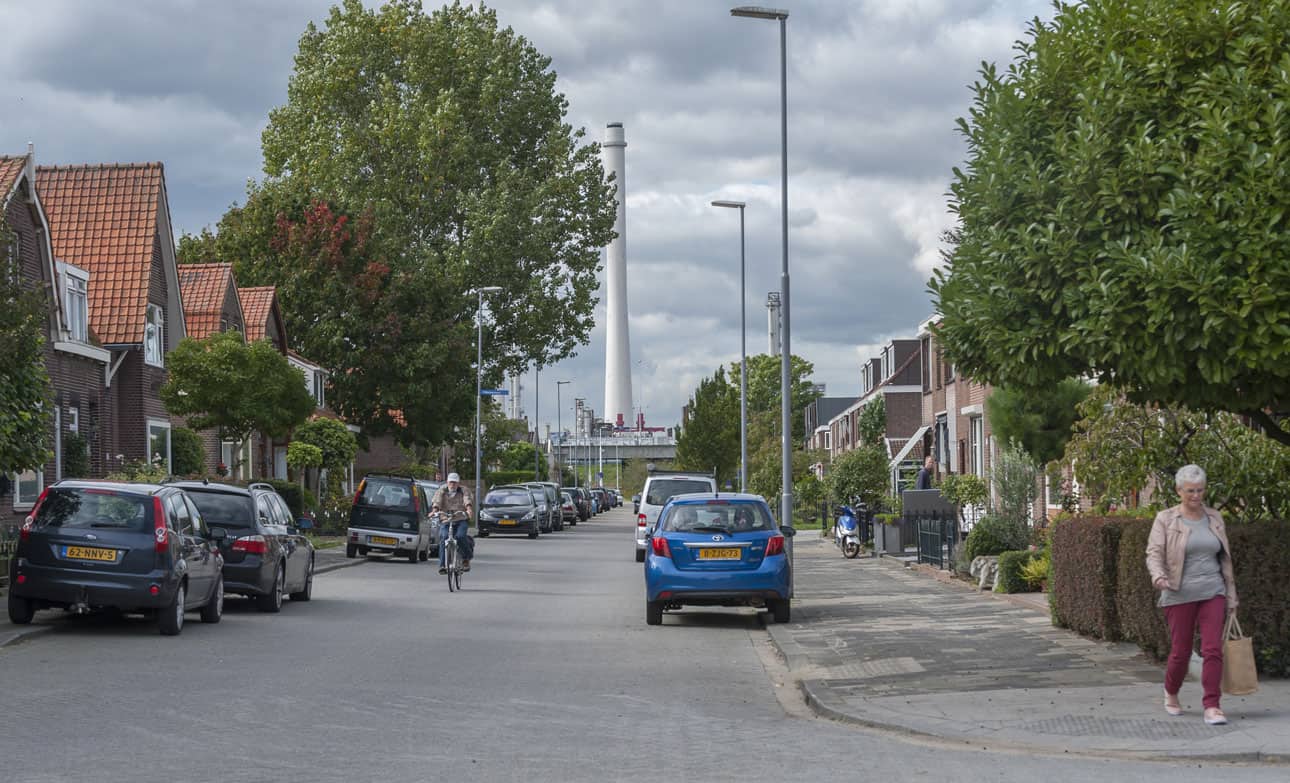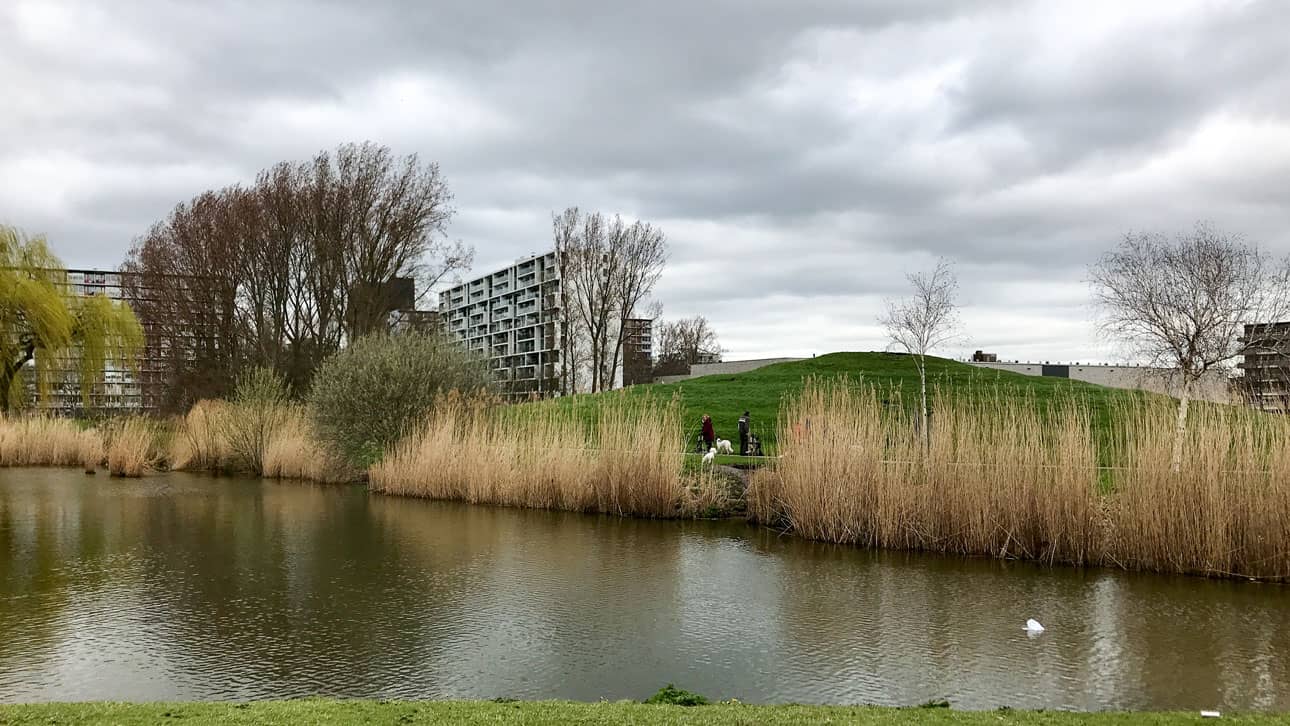

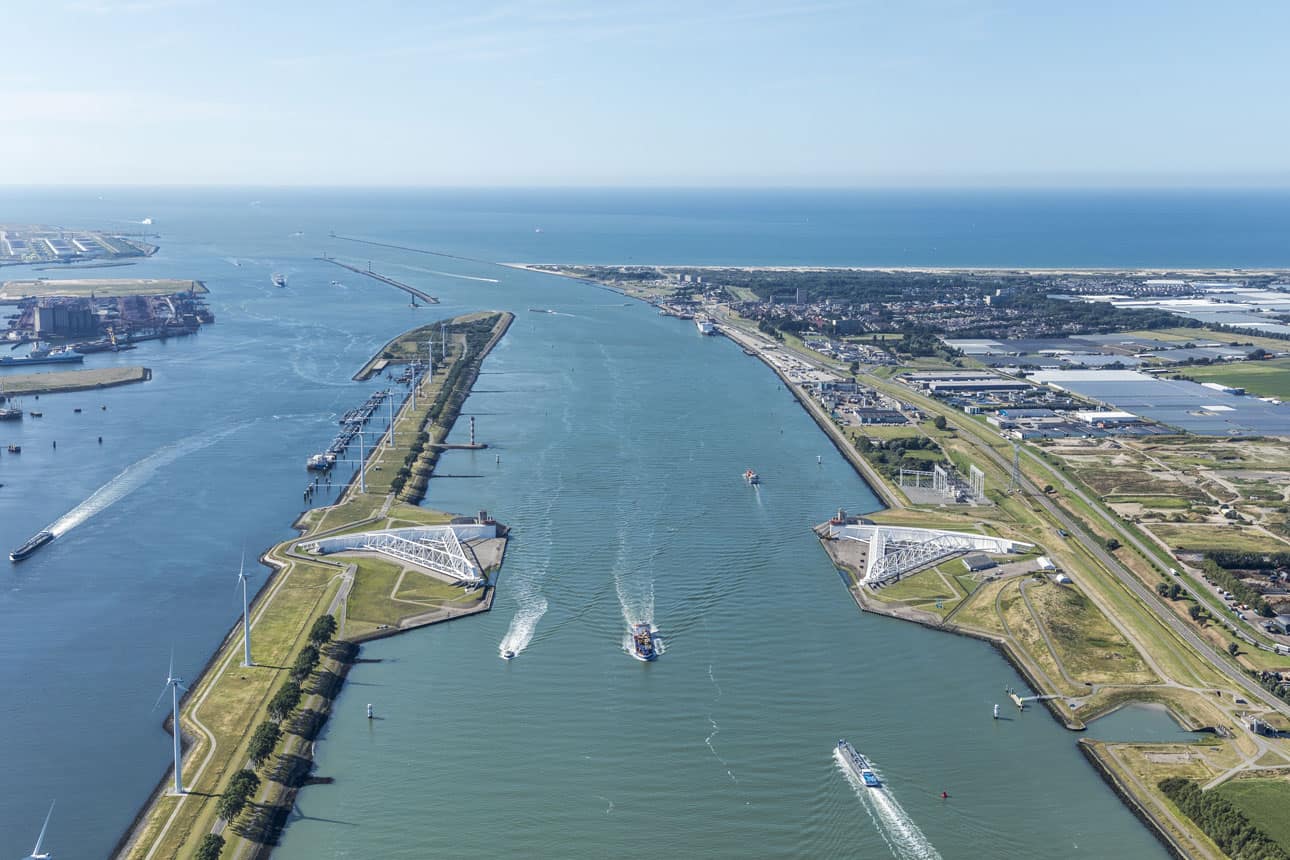
Rozenburg is a village in the municipality of Rotterdam, located on the island of Rozenburg in the western port area. Physically separated from the city centre by waterways and port infrastructure, it offers a very different side of Rotterdam, with the Landtong, passing sea-going ships, village history and the 1887 De Hoop windmill among the main reasons to visit.
Rozenburg at a glance
Where: in Rotterdam's western port area, on the island of Rozenburg.
Main reason to visit: Landtong Rozenburg, where nature sits directly beside one of the busiest working ports in Europe.
Other sights: Paal 83, De Hoop windmill, the Oudheidkamer, De Beestenboel and Dorpstuin Rozenburg.
Getting there: EBS bus, car via the A15 or A24, bicycle or the ferry from Maassluis.
Rozenburg feels much more like a self-contained village than a conventional Rotterdam neighbourhood. You will not find the high-rise skyline, dense shopping streets or tram network associated with central Rotterdam. Instead, the landscape is shaped by dikes, port infrastructure, waterways and surprisingly large areas of green space.
Do you run a business? RotterdamStyle is looking for a main sponsor. Get exclusive visibility across our website for a fixed fee. Interested? Contact us 🤝
Where Rozenburg is, really
Rozenburg lies west of central Rotterdam on the island that shares its name, deep inside the wider Rotterdam port area. Although it is geographically removed from the centre, it has officially been part of the municipality of Rotterdam since March 2010.
That combination explains much of Rozenburg's character. It is administratively Rotterdam, but visually and historically it has far more in common with a South Holland village. The surrounding cranes, terminals, ships and industrial installations are never very far away, which gives the area a character you will not find elsewhere in the city.
How the port changed Rozenburg
Rozenburg developed from sandbanks and newly reclaimed land in the Maas estuary. Permission was granted in 1586 to build a dike around part of the area, while the wider system of dikes that created the island took shape over the following century. For generations, farming dominated local life.
That changed dramatically during the twentieth century. Rotterdam's port expanded westwards after the Second World War, transforming large parts of the island for the Botlek, Europoort and later Maasvlakte developments. Farms and landscapes disappeared, as did nearby Blankenburg and the former De Beer nature area. The village of Rozenburg survived inside the new industrial landscape.
Rozenburg remained an independent municipality until 2010, when it became part of Rotterdam. You can still see that separate village identity in its compact centre, local institutions and historical organisations.
Do you run a business? RotterdamStyle is looking for a main sponsor. Get exclusive visibility across our website for a fixed fee. Interested? Contact us 🤝
Landtong, port views and village history
Walk or cycle along Landtong Rozenburg
If you make one trip outside the village centre, make it the Landtong. This long peninsula stretches into the port landscape between major waterways, combining rough grassland and nature with close views of large commercial ships.
The contrast is the point. One moment you may be looking at Scottish Highland cattle or birds in the grassland, the next at a tanker or tug moving through the port. You can explore the Landtong on foot or by bicycle, and Rotterdam allows visitors to leave the paths and roam through much of the area.
The Landtong is accessible throughout the year. Wear sturdy shoes if you plan to walk through the rougher areas. Dogs are not permitted, and if you encounter Scottish Highland cattle, keep at least 25 metres away and never feed or touch them.
Climb Paal 83 for the port view
Paal 83 gives you one of the clearest views of the landscape that makes Rozenburg unusual. The approximately 22-metre observation tower was designed around a recycled mooring post from the port, with stairways winding towards a platform overlooking the surrounding harbour activity.
The tower is free to climb and is normally accessible daily. There is no lift, so reaching the platform requires taking the stairs.
See windmill De Hoop
Back in the village, De Hoop is one of the most visible reminders of Rozenburg's agricultural past. The stone corn mill dates from 1887 and stands at Molenweg 30.
The mill is open to the public by appointment rather than on fixed daily visiting hours, so check before planning an interior visit. Even when it is closed, it remains an easy landmark to include in a walk through the village.
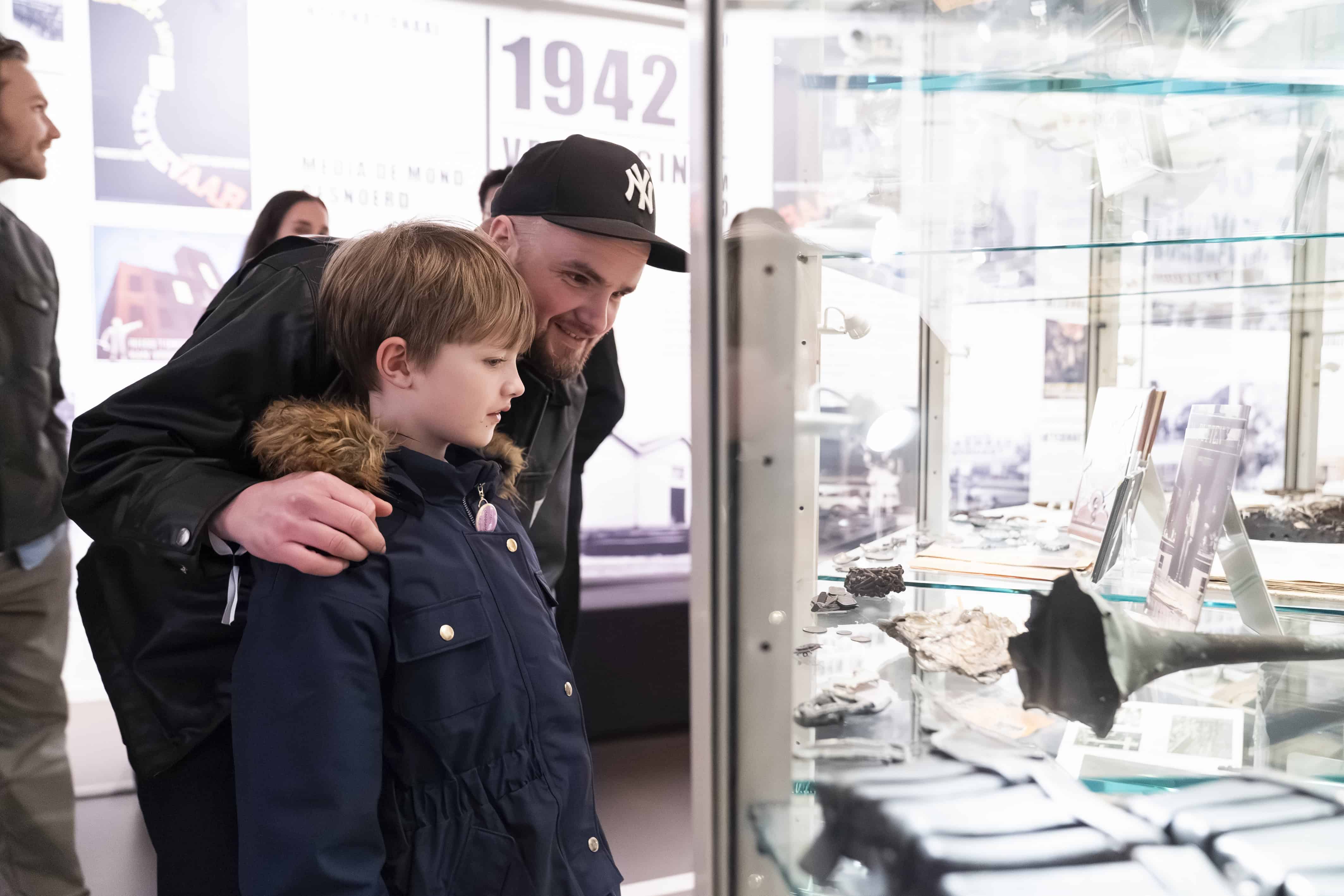
Next door, at Molenweg 28, the Historische Vereniging Oud Rozenburg runs the Oudheidkamer in the former miller's cottage. Its collection and exhibitions document the enormous changes Rozenburg experienced as farmland made way for the modern port.
Walk through the village
Rozenburg is compact enough to explore without a strict route. A walk through the centre gives you a better sense of how independent the village still feels despite being part of Rotterdam.
If you are visiting with children, Kinderboerderij De Beestenboel at Zandweg 13 is an easy stop. Across the road, Dorpstuin Rozenburg combines an orchard and vegetable garden and is currently open daily from 09:30 to 16:30.
Do you run a business? RotterdamStyle is looking for a main sponsor. Get exclusive visibility across our website for a fixed fee. Interested? Contact us 🤝
How to get to Rozenburg
By public transport
Rozenburg's buses are operated by EBS rather than RET. Bus 105 provides the most useful direct connection from the Rotterdam side, running between Rozenburg and Schiedam Centrum through the A24 tunnels.
At Schiedam Centrum you can connect with trains and Metro A, B and C, including services towards Rotterdam city centre. Other EBS services connect Rozenburg with destinations around Voorne-Putten. Check live EBS journey information before leaving, as roadworks can occasionally result in temporary route changes inside Rozenburg.
By car
Rozenburg is connected to the regional road network by the A15. The A24 Blankenburg connection also links the A15 at Rozenburg directly with the A20 at Vlaardingen, making approaches from the north much quicker than they once were.
The A24 is an electronic toll road with no toll booths. If you use it, check the current e-TOL rate before travelling. Unless you are registered for automatic payment, the toll must be paid online within three days of your journey.
By ferry from Maassluis
The ferry between Maassluis and Rozenburg remains one of the most distinctive ways to arrive. The crossing between Deltaweg in Maassluis and Nieuwe Weg in Rozenburg takes around ten minutes.
The current service uses a vehicle ferry during the day and a bicycle and pedestrian ferry in the evening. Tickets must be bought from the machines on the quay before boarding, so check the current timetable and service status before travelling.
Temporary autumn 2026 update: from 17 October through 11 November 2026, the vehicle ferry Blankenburg is scheduled for major maintenance. During that period, only the bicycle and pedestrian ferry will operate, so cars, motorcycles and larger vehicles cannot use the crossing.
By bicycle
Rozenburg also works well as part of a longer cycling trip through the port and Voorne-Putten. Bicycles can travel on the Maassluis ferry, while the Landtong itself has plenty of room to continue exploring once you arrive.
Do you run a business? RotterdamStyle is looking for a main sponsor. Get exclusive visibility across our website for a fixed fee. Interested? Contact us 🤝
When to visit Rozenburg
You can visit Rozenburg throughout the year, but the Landtong is exposed and can be very windy. Spring and early autumn are particularly comfortable if walking or cycling is the main reason for your trip, while clear days are best if you are coming primarily for the port views.
Opening arrangements for small local attractions such as De Hoop and the Oudheidkamer are more limited than at central Rotterdam museums, so check ahead if either is essential to your visit.
Is Rozenburg worth visiting?
Rozenburg is not where we would send you for a first afternoon of Rotterdam sightseeing. That is precisely why it becomes interesting once you already know the city centre.
The village shows you how far Rotterdam actually extends and how closely nature, local history and the working port can sit beside one another. Come for the Landtong and ship-spotting, add Paal 83 and De Hoop, and you get a side of Rotterdam that feels almost like leaving the city without ever crossing the municipal boundary.