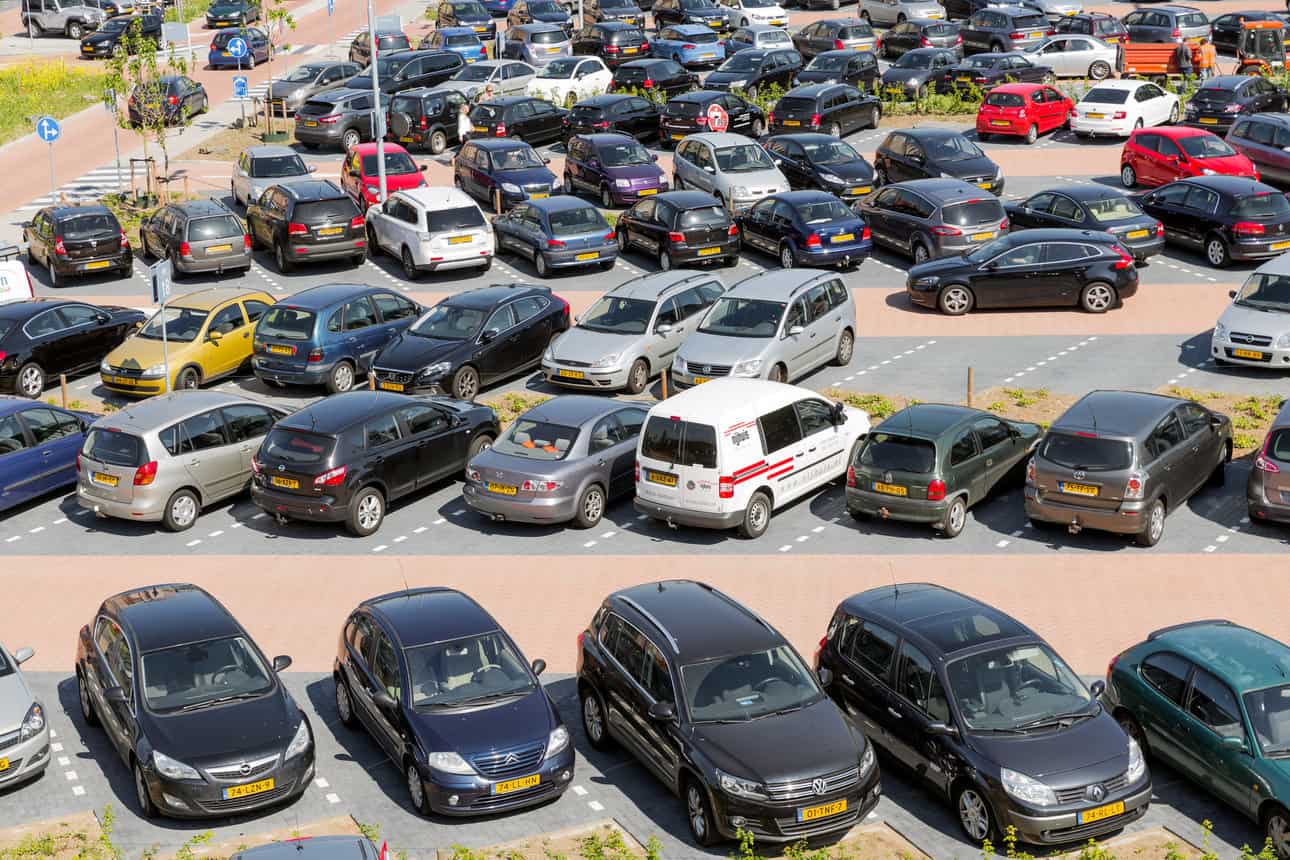

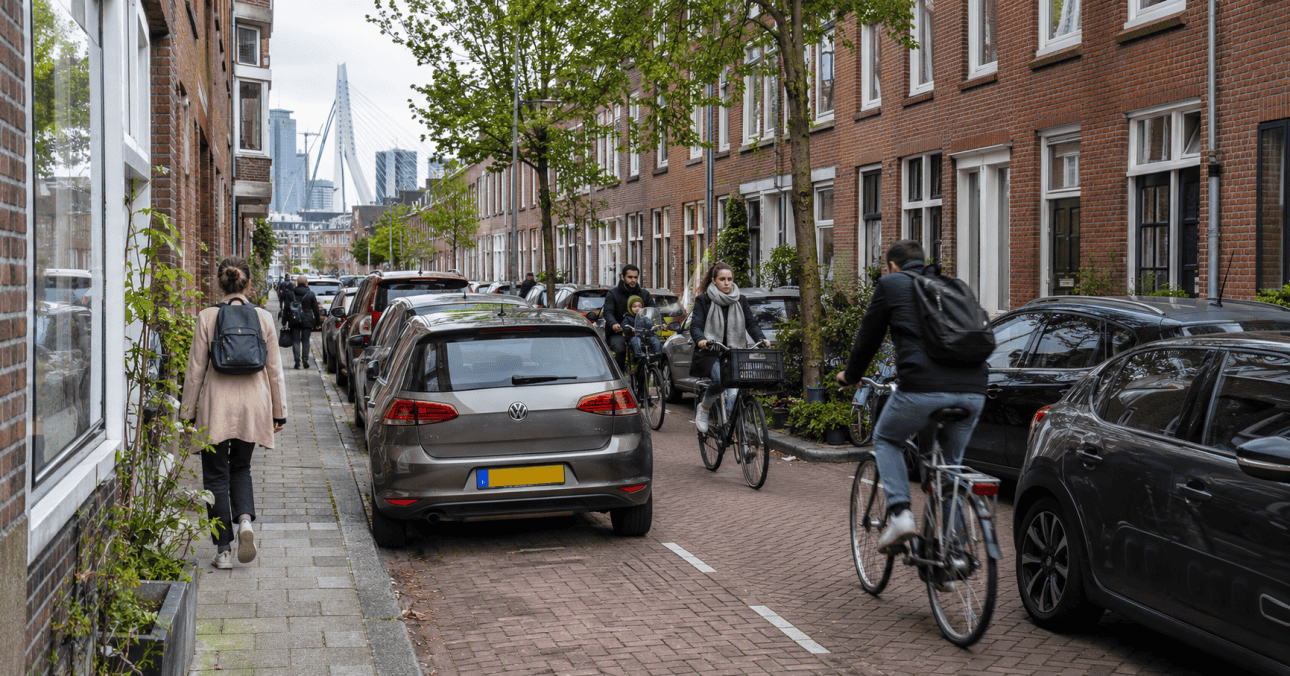
Rotterdam is trying to make more room for pedestrians, cyclists, greenery and public transport, yet the number of cars owned by its residents continues to grow. An analysis of Statistics Netherlands (CBS) figures suggests that the number of passenger cars increased by more than 15,000 between 2019 and 2025, even as car ownership per residential address declined slightly. More recent figures, however, reveal a considerably more complicated relationship between Rotterdam and the car.
ROTTERDAM, 24 November 2026 | Walk through the streets of Rotterdam and you'll encounter two seemingly contradictory developments. New cycle lanes, pedestrian-friendly public spaces and residential buildings with shared mobility facilities are becoming part of the urban landscape. At the same time, finding somewhere to park remains a familiar frustration for many residents.
So, are Rotterdammers becoming less dependent on their cars, or is the city's growing population simply creating more demand for an already limited amount of space? The answer depends largely on how you measure car ownership.
Do you run a business? RotterdamStyle is looking for a main sponsor. Get exclusive visibility across our website for a fixed fee. Interested? Contact us 🤝
More cars in a growing city
An analysis published by parking operator ParkBee in November 2026, based on an earlier CBS dataset, puts the number of passenger cars associated with Rotterdam's residential addresses at 220,277 in 2019 and 235,645 in 2025. That's an increase of 15,368 cars, or approximately 7%.
Over the same period, the reported number of cars per 100 residential addresses declined from 64.3 to 63.6. The analysis also suggests that 45.4% of Rotterdam's residential addresses had no car in 2025, while 12.5% had two or more.
These figures illustrate how the total number of cars can increase even when ownership relative to residential addresses falls. As more homes are built and the city accommodates more residents, relatively small increases in car ownership across individual neighbourhoods can still translate into thousands of additional vehicles.
Rotterdam's population grew from approximately 644,600 at the beginning of 2019 to 673,804 on 1 January 2026. As we explored in our comparison of Amsterdam and Rotterdam, the city's population, geographical size and urban density all influence how people experience and move through it.
There is, however, an important caveat to the car ownership figures. CBS published a revised and expanded dataset in July 2026, which includes an additional year of information and a broader selection of residential addresses in Rotterdam. The earlier figures should therefore be understood in the context of the methodology used at the time, rather than treated as the latest definitive picture.
Do you run a business? RotterdamStyle is looking for a main sponsor. Get exclusive visibility across our website for a fixed fee. Interested? Contact us 🤝
How does Rotterdam compare with other Dutch cities?
Another way to examine car ownership is to look at the number of privately registered passenger cars relative to the population. Here, more recent research paints a somewhat different picture.
According to the Municipality of Utrecht's mobility monitor, Rotterdam had 354 private passenger cars per 1,000 residents on 1 January 2026. This represents an increase of 3.7% compared with 2019, despite declines in some of the intervening years.
Among the four largest Dutch cities, Rotterdam has the highest number of private passenger cars relative to its population. Amsterdam, despite having considerably more residents, has a substantially lower rate of car ownership.
| Municipality | Cars per 1,000 residents (2026) | Change since 2019 |
|---|---|---|
| Eindhoven | 427 | Approximately unchanged |
| Rotterdam | 354 | +3.7% |
| Utrecht | 337 | +0.3% |
| The Hague | 332 | +1.3% |
| Amsterdam | 258 | -4.8% |
Source: Municipality of Utrecht, Monitor Mobiliteitsplan. Private passenger cars per 1,000 residents on 1 January 2026. Changes represent percentage changes in car ownership relative to population since 2019, rather than changes in the total number of vehicles.
Rotterdam consequently appears to be moving in a different direction from Amsterdam. While Amsterdam's car ownership rate has declined since 2019, Rotterdam's has increased. That distinction matters when discussing whether Dutch cities are gradually becoming less dependent on private cars.
Where you live in Rotterdam makes a difference
Citywide averages can also conceal enormous differences between neighbourhoods. Living without a car in a central apartment close to Blaak or Beurs is a different proposition from living in a family home on the outskirts of Rotterdam.
CBS-based neighbourhood statistics for 2026 show that Stadsdriehoek has approximately 0.32 privately registered passenger cars per household, compared with 1.1 in Nesselande. Across the entire Rotterdam Centrum district, the figure is approximately 0.35.
In other words, the number of privately registered cars per household in Nesselande is more than three times that of Stadsdriehoek.
The difference is perhaps unsurprising when you consider the character of these neighbourhoods. Stadsdriehoek offers relatively easy access to shops, restaurants, workplaces and several forms of public transport. Nesselande, situated in the eastern district of Prins Alexander, has a greater proportion of family homes and a different residential layout, although it also benefits from its own metro connection.
Housing types, household composition, income, employment locations and access to public transport can all influence whether someone decides to own a car. The figures alone cannot tell us which of these factors is responsible for the difference.
They do, however, demonstrate why a single approach to mobility may not work equally well in every part of Rotterdam.
Do you run a business? RotterdamStyle is looking for a main sponsor. Get exclusive visibility across our website for a fixed fee. Interested? Contact us 🤝
Rotterdam's battle for public space
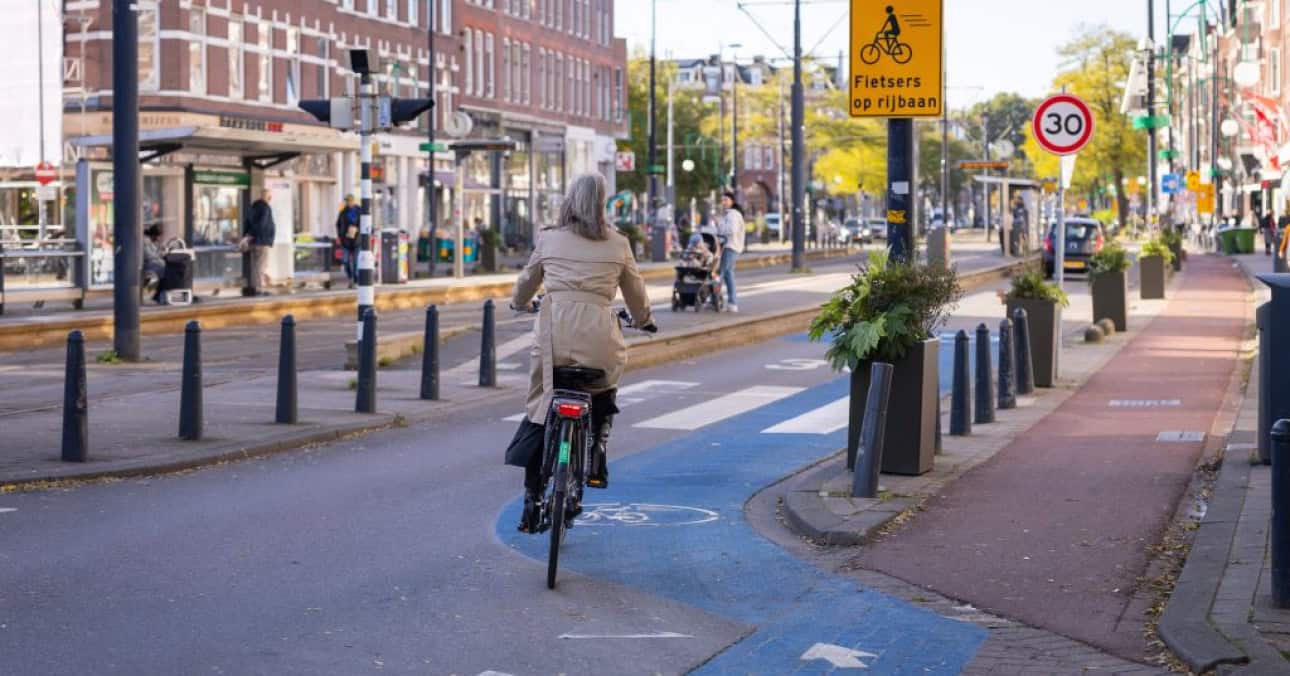
The increase in car ownership comes at a time when Rotterdam is reconsidering how its streets should be used. Parking spaces compete with cycle lanes, wider pavements, trees, terraces, playgrounds and other facilities in neighbourhoods where additional space is difficult to find.
On 1 October 2026, Rotterdam's municipal council adopted a new framework for introducing paid parking. The decision followed political debate about the expansion of paid parking and the circumstances under which it should be introduced in additional neighbourhoods.
Meanwhile, the municipality's policy priorities for 2027 to 2030 include working towards a city centre with less car traffic by 2040, reducing the number of on-street parking spaces and making more room for other forms of transport.
For some residents, these changes offer the prospect of quieter, greener and more pleasant streets. Others worry about the cost of parking and whether alternative transport options are sufficient for their daily needs, particularly if they work outside the city, travel during irregular hours or have limited mobility.
The challenge is to create more attractive neighbourhoods while maintaining reasonable access for people who genuinely need a car.
Do you really need to own a car in Rotterdam?
One development that could influence future car ownership is the growing range of alternatives to having a vehicle permanently parked outside your home.
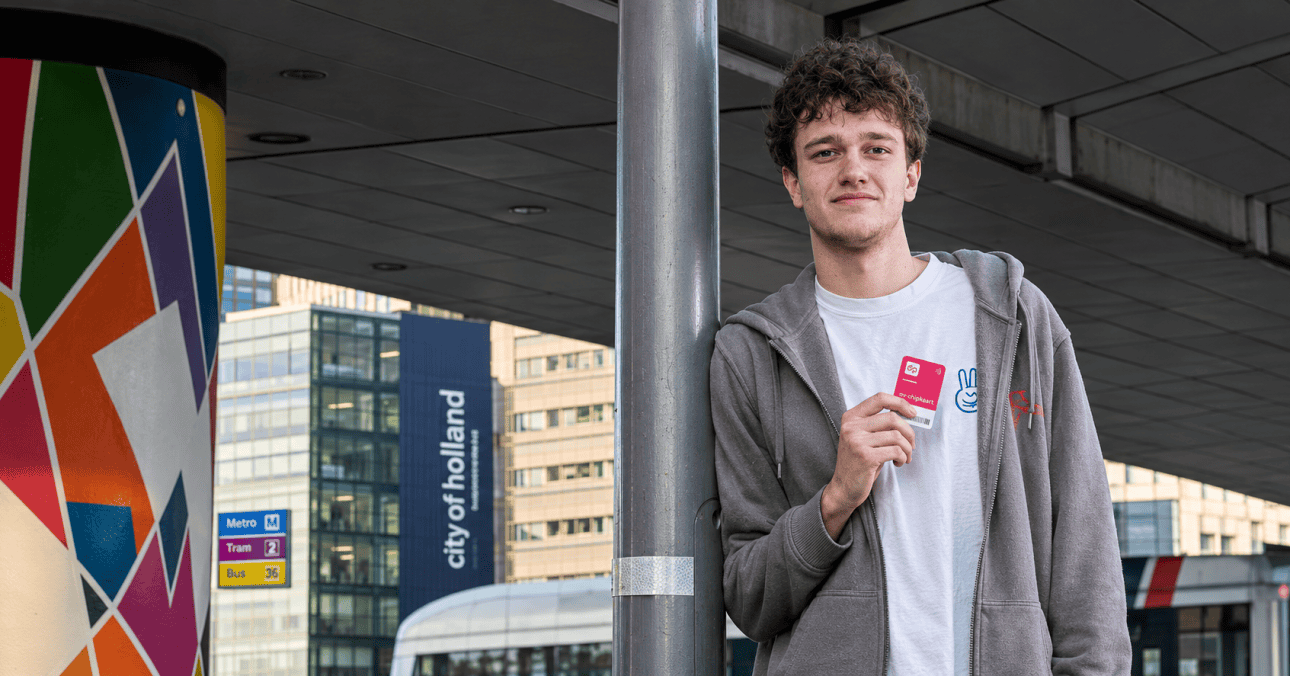
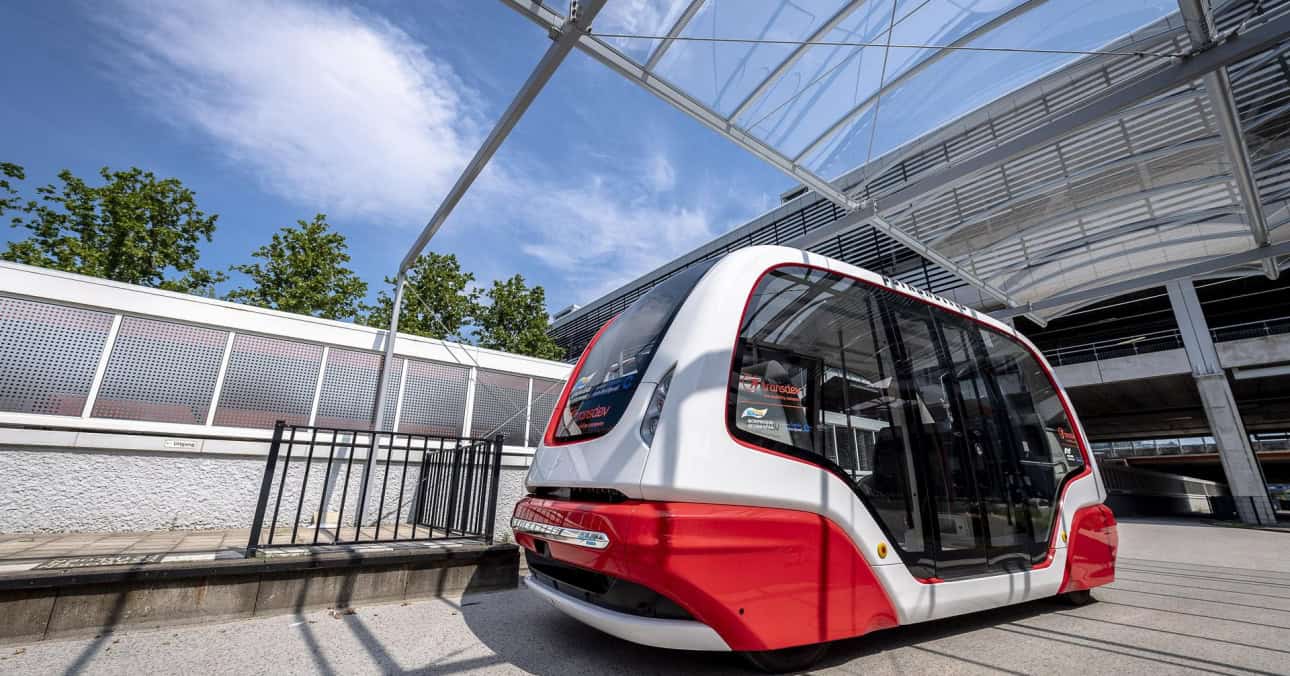
Rotterdam already has an extensive network of metro, tram and bus services, alongside cycle routes and shared bicycles, scooters and cars. The municipality also supports neighbourhood-based car-sharing initiatives, allowing residents to share vehicles with a relatively small group of neighbours.
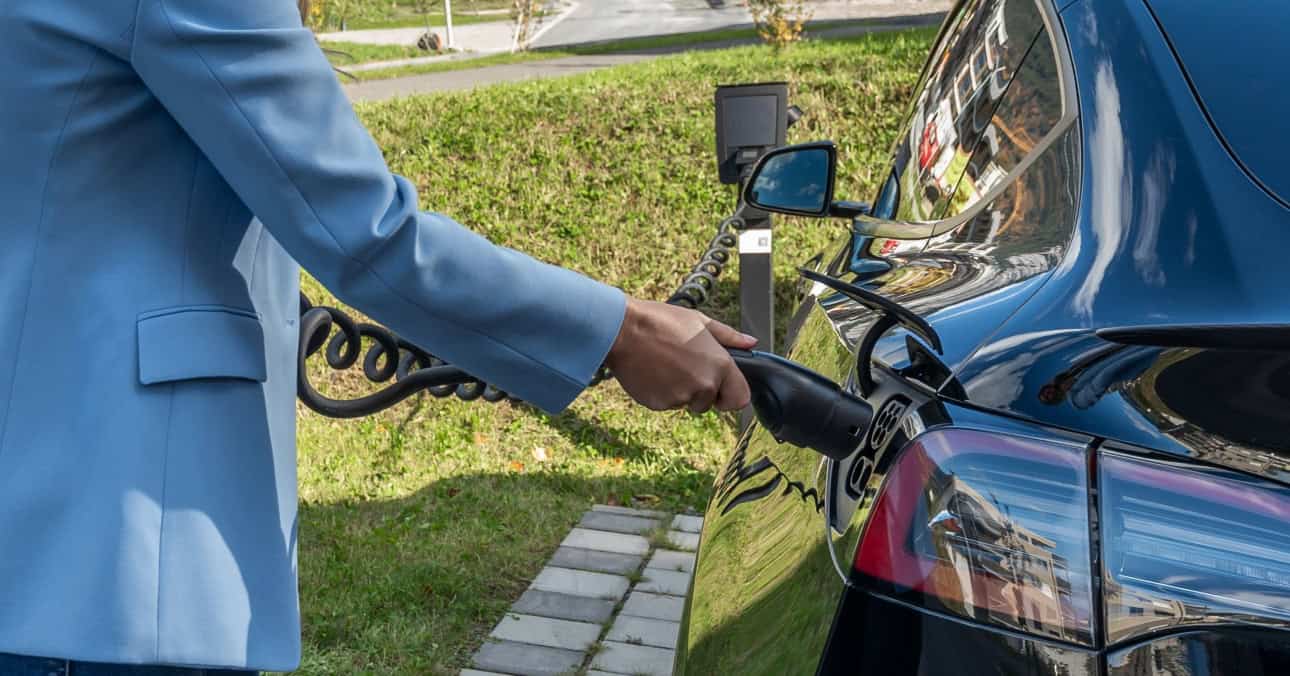
A recent example can be found at SAWA, the wooden residential building in the Lloydkwartier, where residents have access to three shared electric cars through a community initiative. The concept allows residents to use a car when needed without each household having to purchase and maintain its own vehicle.
For someone who usually travels by bicycle or public transport but occasionally needs a car for a family visit, furniture shopping or a weekend away, shared mobility can offer a practical compromise.
Visitors travelling into Rotterdam by car also have alternatives to parking in the city centre. Park and Ride facilities around the city allow motorists to continue their journey by public transport. We've covered the different options in our guide to parking in Rotterdam.
Is Rotterdam becoming less car-dependent?
Not necessarily, at least not according to the available car ownership figures alone. Owning a car and using one are two different things. Someone may own a vehicle but cycle to work every day, while someone without a privately registered car may regularly drive a shared or rented vehicle.
To determine whether Rotterdam is genuinely becoming less car-dependent, we would also need to examine the number of journeys made by car, distances travelled, traffic volumes and how frequently residents choose alternatives.
What the available figures do reveal is a city facing a complicated balancing act. Rotterdam is growing, its residents have different mobility needs, and the competition for public space is becoming increasingly apparent. Even a modest change in average car ownership can have substantial consequences when multiplied across hundreds of thousands of residents.
The real question for Rotterdam may therefore be less about how many cars the city can accommodate and more about how easily people can get where they need to go without having to own one.