
ROTTERDAM, 4 November 2026 | What if you could see how extreme summer heat or heavy rainfall might affect your street before the municipality decides what to do about it? Rotterdam is working towards that possibility through digital versions of the city, and has now joined forces with Valencia in Spain and Tampere in Finland to develop the technology while keeping cities in control of their own digital infrastructure.
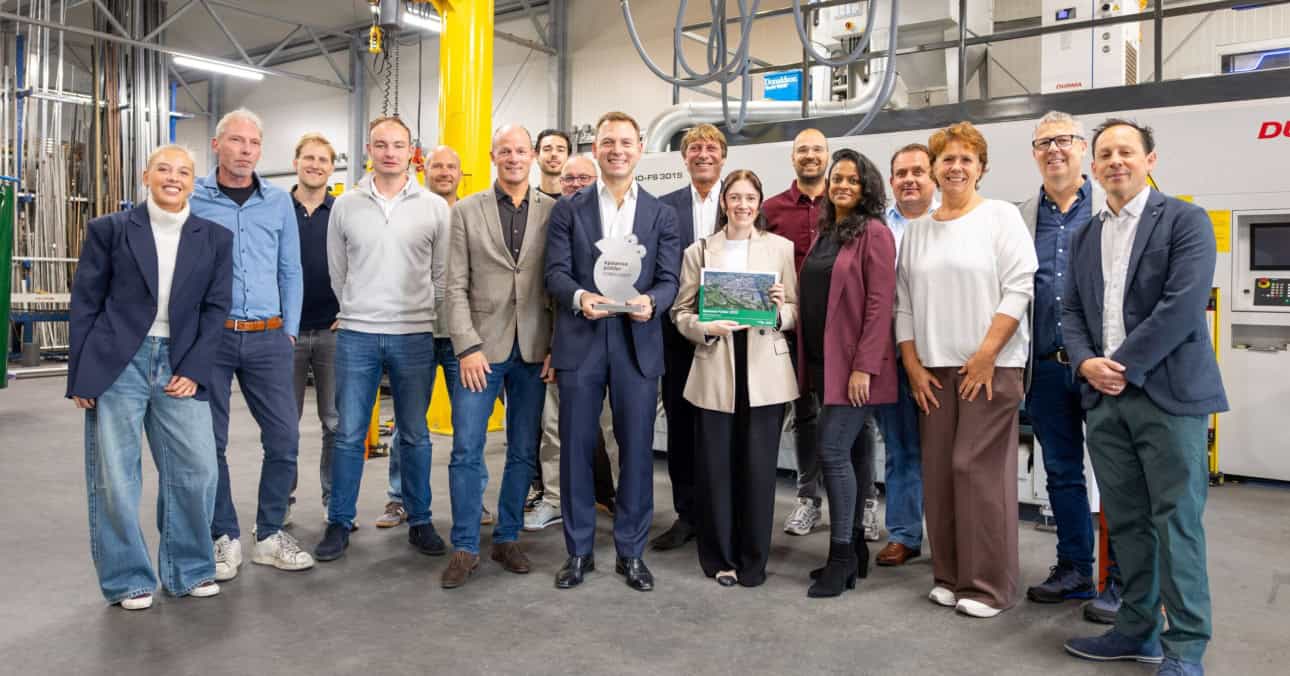
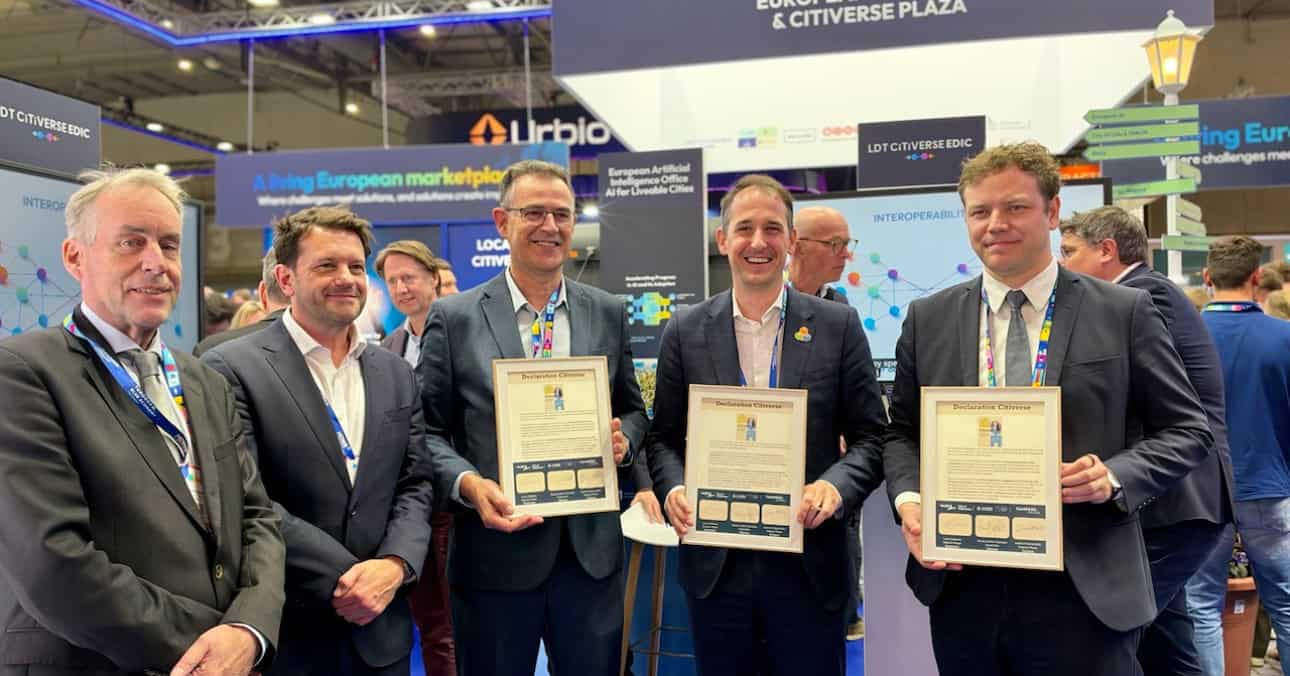
On 3 November 2026, representatives of the three cities signed a joint Citiverse declaration during the Smart City Expo World Congress in Barcelona. The agreement outlines their shared ambitions for digital independence, cooperation and the development of technology that helps cities respond to challenges such as climate change and urban development.
For Rotterdam, the initiative builds on projects already underway, including a digital version of the Oud-Mathenesse neighbourhood and a virtual learning environment developed with vocational education provider Zadkine.
What is the Citiverse?
The Citiverse, short for Citizenverse, is a concept that connects the physical city, its residents and the digital world. Rather than treating digital technology as something separate from everyday life, the idea is to use it to help people understand and influence what happens in their surroundings.
One of the technologies involved is the digital twin, a virtual representation of a real place. Such models can incorporate information about buildings, streets, public spaces and environmental conditions, allowing planners to explore different scenarios before implementing changes in the real world.
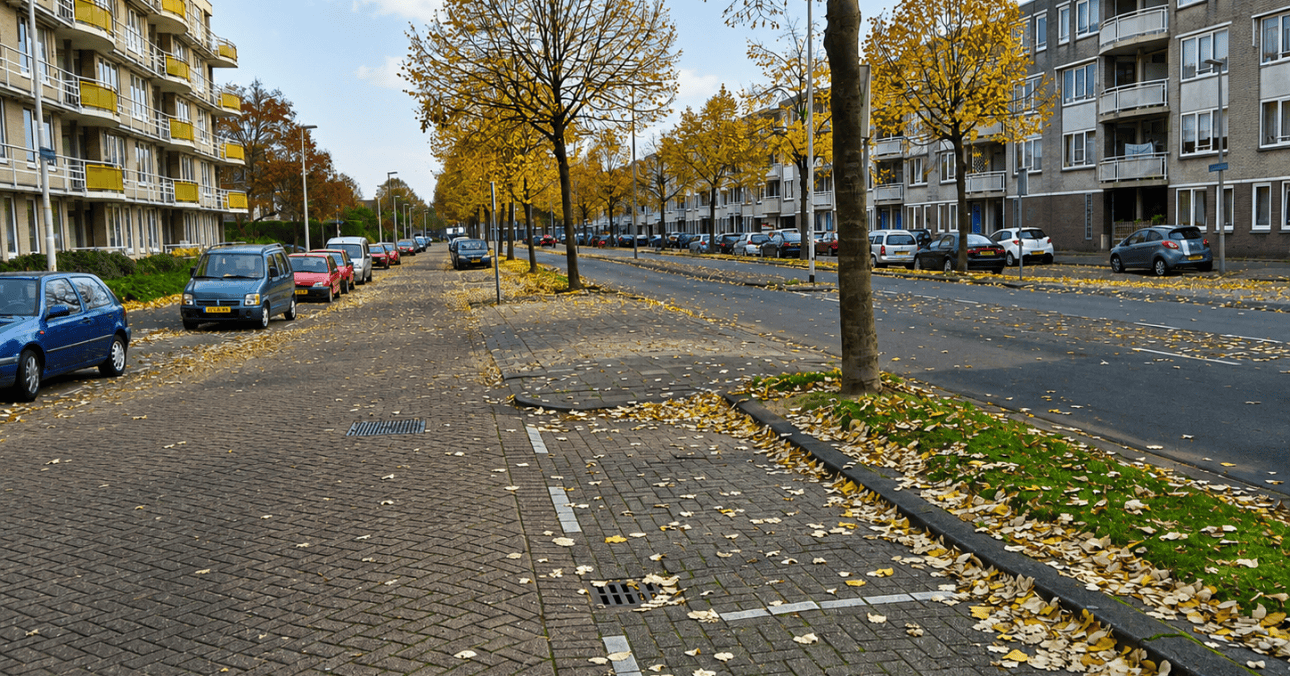
For example, a digital twin could show how a proposed redevelopment might affect a neighbourhood, or help illustrate which streets are particularly vulnerable to heat or heavy rainfall.
The technology can also give residents a clearer picture of plans that might otherwise be difficult to understand from technical drawings and policy documents.
Do you run a business? RotterdamStyle is looking for a main sponsor. Get exclusive visibility across our website for a fixed fee. Interested? Contact us 🤝
How Rotterdam wants residents to participate
Rotterdam's approach places particular emphasis on public participation. Instead of asking residents to respond to plans they may struggle to visualise, the municipality wants to make those plans something people can explore and experience.
Rotterdam alderman Luuc Dekkers, whose responsibilities include digitalisation, explained that digital models could help demonstrate the effects of heat stress and flooding on individual streets before decisions are made.
Residents should be able to see the possibilities, discuss them and experience different scenarios themselves, he said in the municipality's announcement.
Rotterdam is already developing the necessary tools through initiatives including Rotterdams Weerwoord, the city's climate adaptation programme, and its Open Urban Platform, which brings together urban data and digital applications.
The wider initiative is presented through Rotterdam Citiverse, which provides information about the city's digital experiments and ongoing research.
Oud-Mathenesse becomes a digital neighbourhood
One of the most tangible examples is taking shape in Oud-Mathenesse, where the European x-CITE project is developing an interactive 3D version of the neighbourhood.
The project aims to let residents explore a digital environment based on real streets, buildings and public spaces. It is intended to become a place where people can find neighbourhood information, discover local initiatives, connect with others and discuss proposed changes.
Architect Harmen van de Wal and a team of municipal and international partners have been developing the concept, with Oud-Mathenesse serving as an early testing ground.
The digital environment is still being developed, but the ambition extends beyond simply reproducing Rotterdam in three dimensions. Residents could eventually use it to compare planning proposals, see how changes would affect familiar locations and share feedback with the municipality.
The project is part of x-CITE, a European initiative exploring how extended reality and immersive digital environments can support public participation.
Do you run a business? RotterdamStyle is looking for a main sponsor. Get exclusive visibility across our website for a fixed fee. Interested? Contact us 🤝
A virtual Rotterdam for students
Urban planning is not the only area where Rotterdam is experimenting with virtual environments.
Working with vocational education institution Zadkine, the city is also involved in B&D City, a virtual environment developed through the Beauty & Design Lab.
The project brings students, teachers, designers and professionals together in a fictional digital neighbourhood, where they can exchange knowledge, experiment with ideas and develop new ways of learning and working.
Activities can range from virtual design workshops to collaborative projects involving fashion, beauty and craftsmanship. The environment is intended to provide opportunities that extend beyond the physical classroom.
More information about the initiative is available through the B&D City project website.
Why digital independence matters
The agreement between Rotterdam, Valencia and Tampere is also about who controls the technology behind tomorrow's cities.
As municipalities become increasingly dependent on digital platforms, questions about data ownership, privacy, security and dependence on external technology providers become more important.
The three cities want to maintain greater control over their own digital infrastructure and ensure that different systems can communicate with one another. Their shared approach emphasises open standards, accessibility, digital inclusion and public trust.
That could make it easier for cities to share knowledge and develop solutions without becoming unnecessarily dependent on individual commercial suppliers.
Importantly, the declaration is a statement of shared intentions rather than the launch of a completed digital city. The participating municipalities will still need to translate their ambitions into practical projects and services.
What's next for Rotterdam's digital future?
Rotterdam, Valencia and Tampere intend to continue exchanging knowledge and expand their cooperation to other European cities with similar ambitions.
For residents, the more interesting developments are likely to happen closer to home. Projects such as the digital neighbourhood in Oud-Mathenesse will help demonstrate whether these technologies can genuinely make urban planning more accessible and give people a greater say in their surroundings.
The real test will be whether Rotterdam can turn its digital ambitions into tools that residents find useful, understandable and trustworthy.