
Rotterdam is widely regarded as the cradle of Dutch gabber, the hard and fast electronic music style that developed into one of the Netherlands’ most distinctive youth cultures. A Google Arts & Culture exhibition curated by the Netherlands Institute for Sound and Vision tells the story through archive footage, photographs, music and memorabilia.
Gabber emerged around the turn of the 1990s as Rotterdam DJs and producers pushed house and techno towards a faster and harder sound. Parkzicht became one of its key early venues, with DJ Rob experimenting with increasingly uncompromising music from the end of 1989.
Paul Elstak was another central figure. He founded Rotterdam Records in 1992, while events such as Nightmare helped take the new sound from Rotterdam clubs into much larger venues, including the Energiehal.
Rotterdam was not the only centre of the emerging scene. Amsterdam developed its own hardcore culture around Multigroove and Warehouse Elementenstraat, while Thunderdome helped turn gabber into a national and international phenomenon.
More than just music
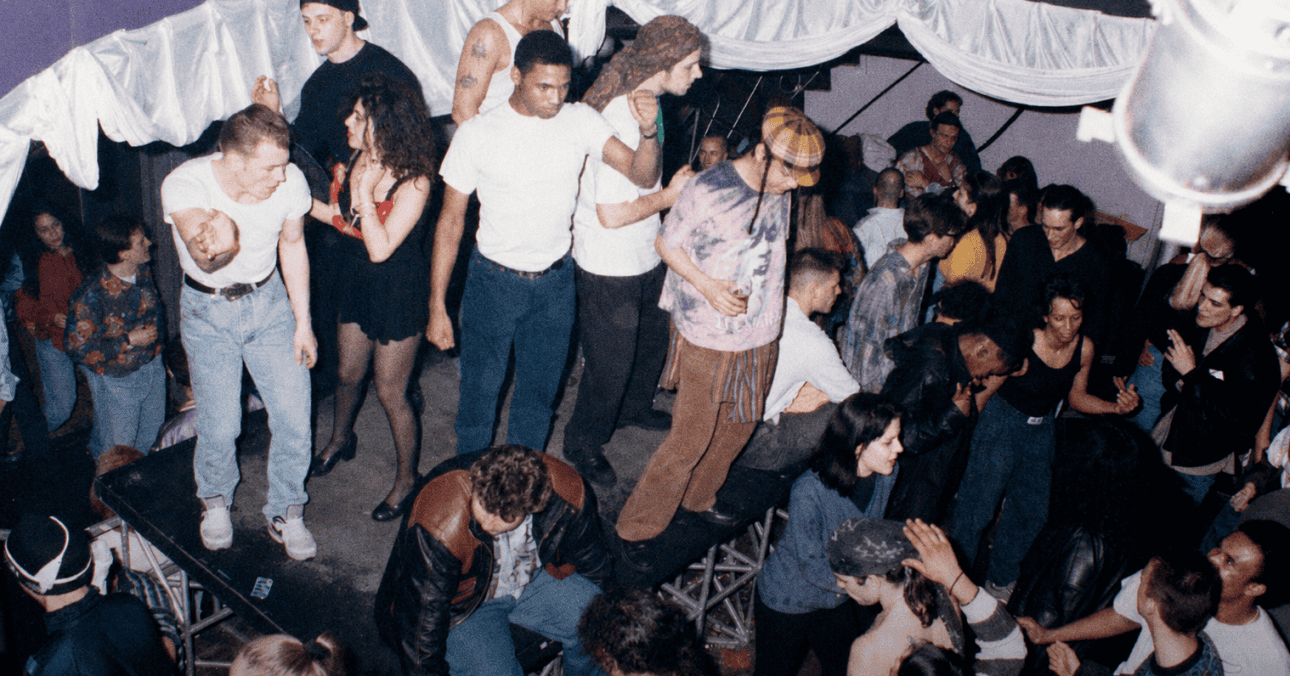
Gabber became a complete youth culture with its own clothing, hairstyles, imagery and dance.
Australian tracksuits, Nike trainers and shaved or closely cropped hairstyles became closely associated with the scene. The rapid dance style known as hakken became just as recognisable as the music itself.
By the middle of the 1990s, hardcore had moved firmly into the Dutch mainstream. Huge events attracted thousands of ravers, records entered the charts and happy hardcore broadened the music’s audience.
By the end of the decade, gabber’s first period of mass popularity had largely passed. The culture itself never disappeared, however. Hardcore continued underground and has since attracted new generations of listeners and ravers.
Explore the full history of gabber
The Netherlands Institute for Sound and Vision explores this history in much greater detail in A Brief History of Gabber, an online exhibition on Google Arts & Culture curated by Rotterdam-based music journalist Holly Dicker.
The story brings together archive television and rave footage, music, flyers, clothing, private collections and photography. It covers Parkzicht, DJ Rob, Paul Elstak, Rotterdam Records, Multigroove, Thunderdome, gabber fashion, hakken and the rise and decline of the original 1990s scene.
The exhibition was created as part of Music, Makers & Machines, a Google Arts & Culture and YouTube project launched in March 2021 with contributions from more than 50 institutions, record labels, festivals and electronic music experts around the world.
Read the full illustrated story, A Brief History of Gabber, on Google Arts & Culture.
More than three decades after gabber first erupted from Rotterdam’s nightlife, its influence can still be heard and seen across Dutch electronic music culture.

.jpg "Popronde Rotterdam - date, locations, artists, info")