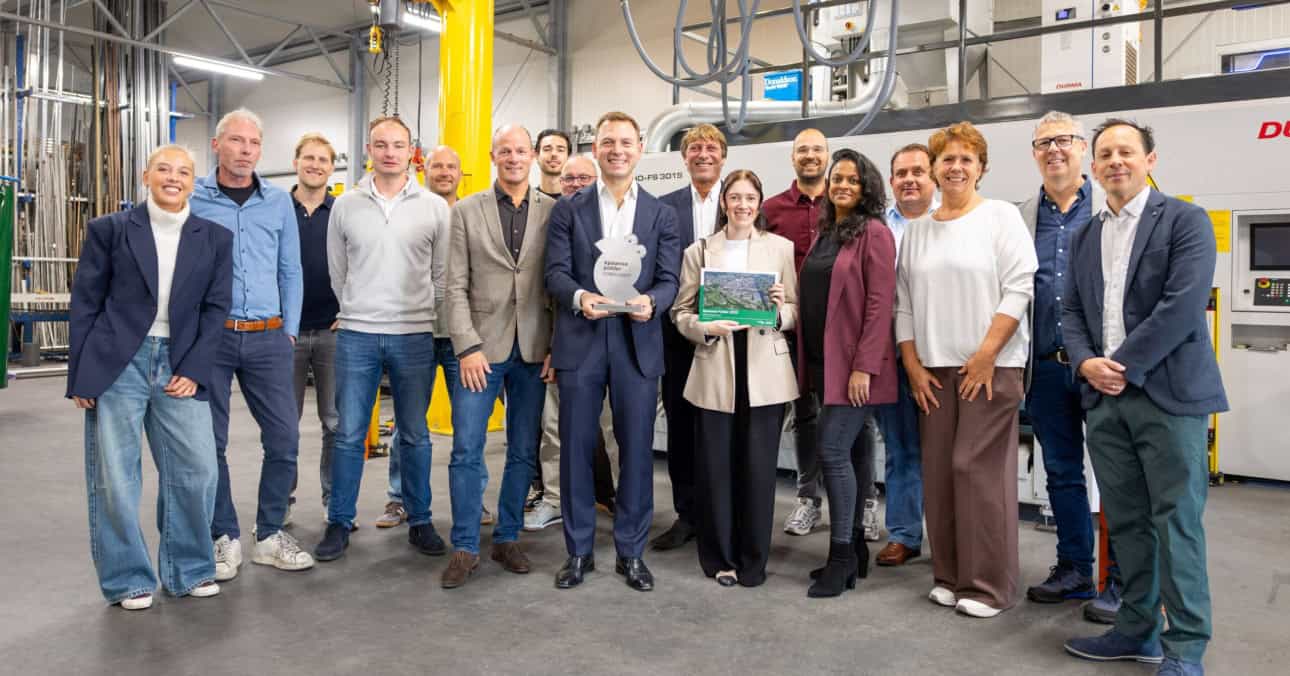

ROTTERDAM, 12 June 2026 – SAWA has won the jury award at the Rotterdam Architecture Prize 2026, while Rotterdam football club Steeds Hooger’s renovated sports pavilion secured the public vote. The two winners could hardly be more different in scale, but both were recognised for making sustainability, shared use and long-term value central to their design.
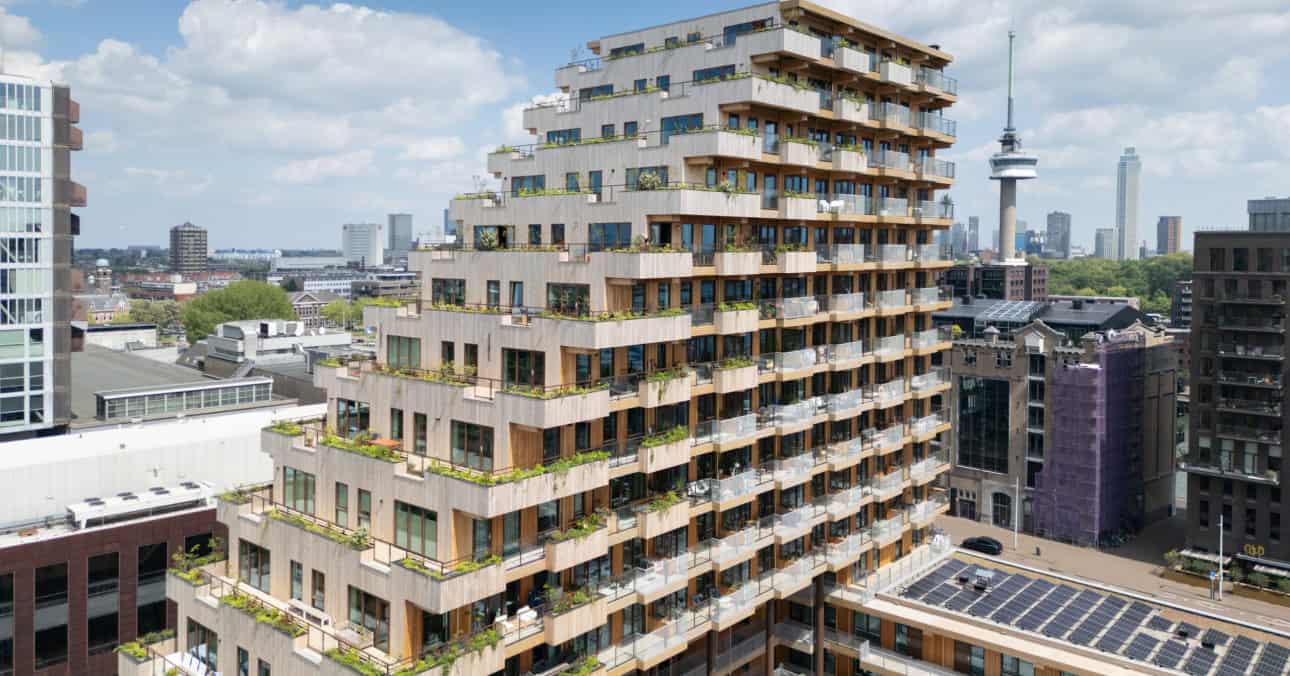
Image: SAWA in Rotterdam. Photo: Frank Hanswijk
The Rotterdam Architecture Prize (Rotterdam Architectuurprijs) received 36 entries this year. A professional jury selected ten projects, from which it chose the main winner and two honourable mentions, while the public voted for its own top three. The award goes to the full project team, including the client, designer and builder.
Do you run a business? RotterdamStyle is looking for a main sponsor. Get exclusive visibility across our website for a fixed fee. Interested? Contact us 🤝
SAWA wins the jury award
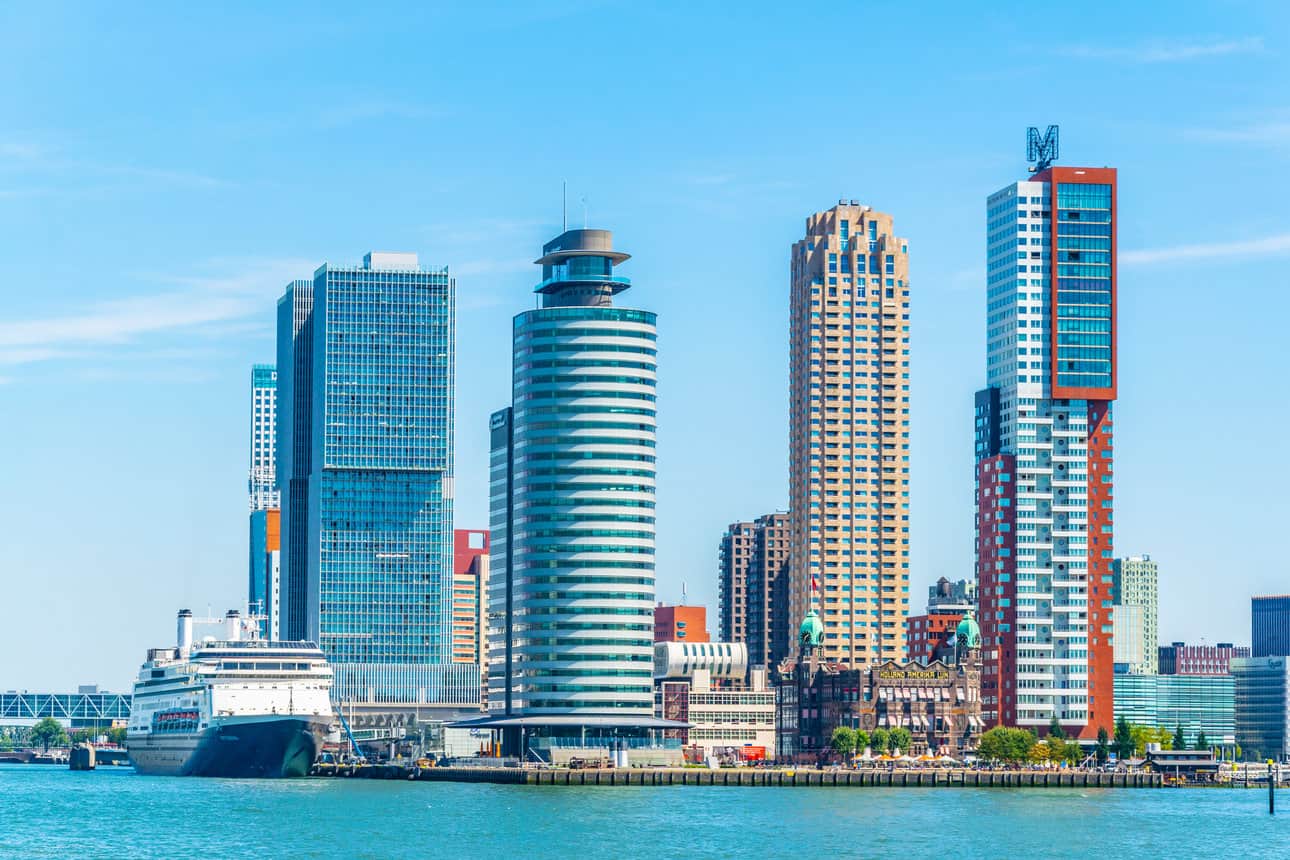
SAWA is a 50-metre residential building on Rotterdam’s Lloydpier, developed by NICE Developers and ERA Contour, designed by Mei architects and planners and built by ERA Contour. The building contains 109 homes: 39 owner-occupied apartments, 50 mid-market rental homes and 20 private-sector rental homes.
Its stepped profile and large terraces give the building its recognisable shape, but the jury looked beyond its appearance. SAWA’s main supporting structure is made almost entirely from timber, with concrete and steel limited to parts where they were considered necessary. Around 750,000 screws were used to assemble the timber structure in six months, allowing major components to be dismantled rather than permanently fixed together.
Do you run a business? RotterdamStyle is looking for a main sponsor. Get exclusive visibility across our website for a fixed fee. Interested? Contact us 🤝
The housing concept was another factor in the decision. Most of the mid-market rental homes were allocated to people working in public-service professions and to tenants moving out of social housing. Residents also share facilities including a vegetable garden, workspaces, tool rooms and parking for bicycles, while the homes have an average of around 40 square metres of private outdoor space.
Nature has been incorporated throughout the building. More than 3,000 native plants and 140 nesting facilities create space for birds, bats and insects alongside the residents. Instead of being treated as decoration added at the end, planting and biodiversity formed part of the design from its early stages.
Do you run a business? RotterdamStyle is looking for a main sponsor. Get exclusive visibility across our website for a fixed fee. Interested? Contact us 🤝
The jury also highlighted the financial choices behind SAWA. The architect and developer capped the development profit at between three and five per cent, leaving more room for investment in timber construction, shared facilities, affordable housing and ecological measures.
The Rotterdam award follows another major result earlier in June, when SAWA was unanimously named BNA Building of the Year 2026. Winning both awards gives the Lloydpier project national recognition as well as the city’s main architecture prize.
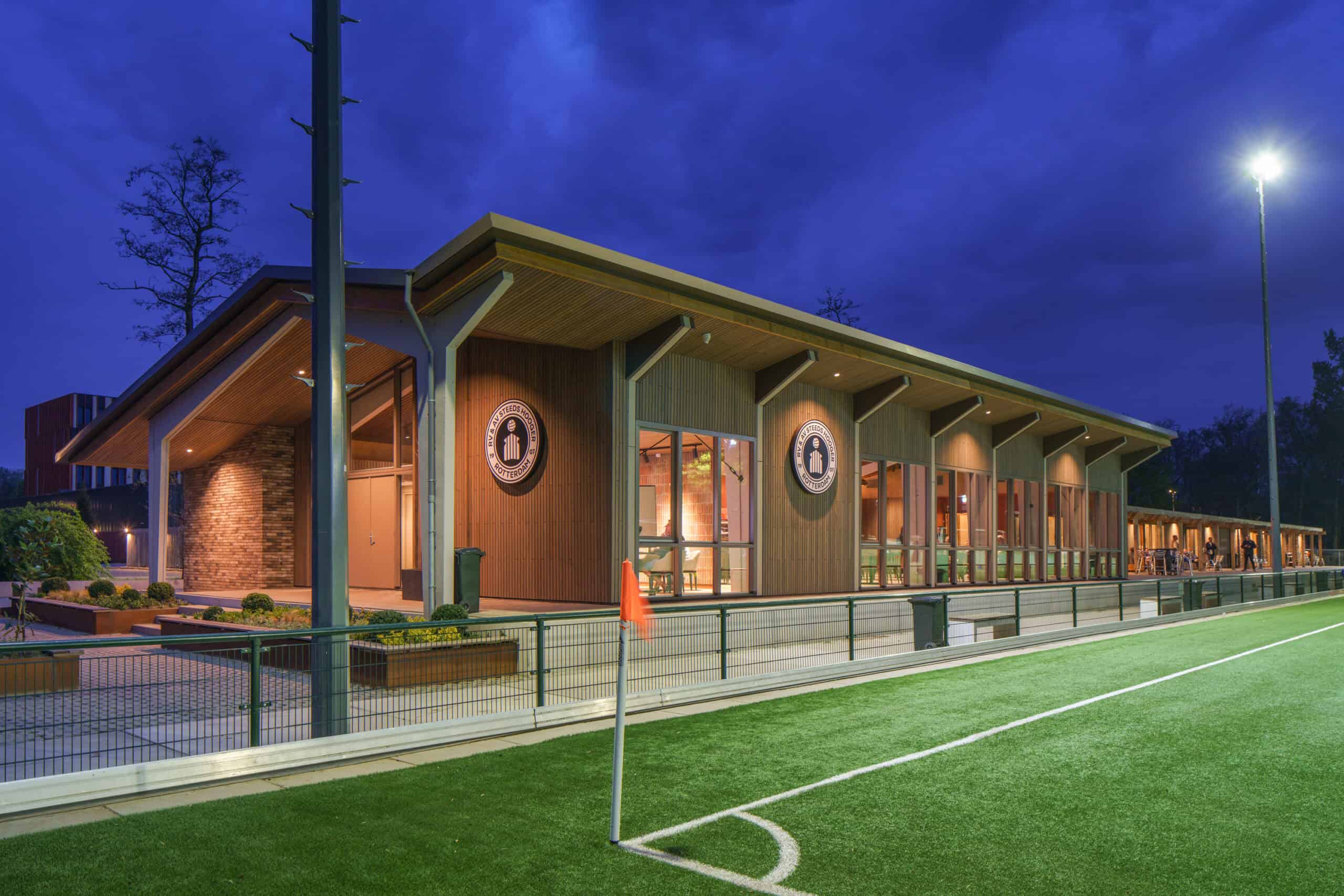 Image: Steeds Hoger. Photo: Frank Hanswijk
Steeds Hooger wins public vote
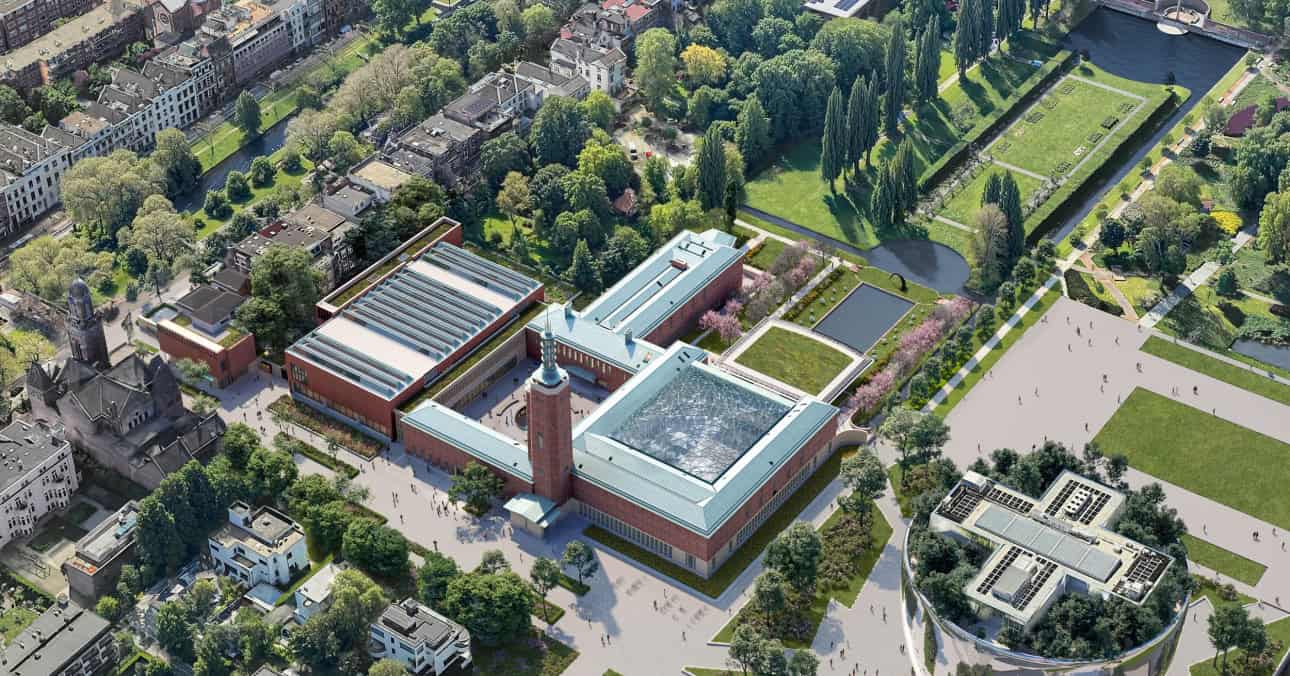
Sportpaviljoen Steeds Hooger won the public award and also received an honourable mention from the professional jury. The project was commissioned by Sportbedrijf Projecten BV, designed by Rotterdam firm JagerJanssen architects and built by Van Driel BV.
The football club had to move to a complex containing a neglected canteen building from 1962. Demolition may have been the obvious response, but architect Alex Jager, who was involved in the club’s building committee, saw value in the existing structure. The foundation on wooden piles remained usable, while the curved concrete frames created a canteen with a ceiling height of more than five metres.
Do you run a business? RotterdamStyle is looking for a main sponsor. Get exclusive visibility across our website for a fixed fee. Interested? Contact us 🤝
Those elements became the foundation of the new sports pavilion. The existing concrete structure was retained, the old wooden ceiling slats returned to the renovated canteen and the building was expanded to provide twelve changing rooms.
New additions use lightweight and largely biobased materials. Cross-laminated timber was used for parts of the structure, flax provides insulation and sections of the façade were built with dry-stacked bricks instead of mortar. That makes the bricks easier to remove and reuse later.
Do you run a business? RotterdamStyle is looking for a main sponsor. Get exclusive visibility across our website for a fixed fee. Interested? Contact us 🤝
The pavilion is gas-free. Heat collected beneath the main football pitch is stored underground and used for the building and its showers, supported by solar panels. A green roof helps retain rainwater, while gabions filled with recovered rubble create nesting and shelter spaces for insects.
Public voters repeatedly praised the decision to retain the identity of the old clubhouse instead of replacing it with a generic new sports building. The result is recognisably a football canteen, but one where circular construction and energy use are visible in the everyday life of the club.
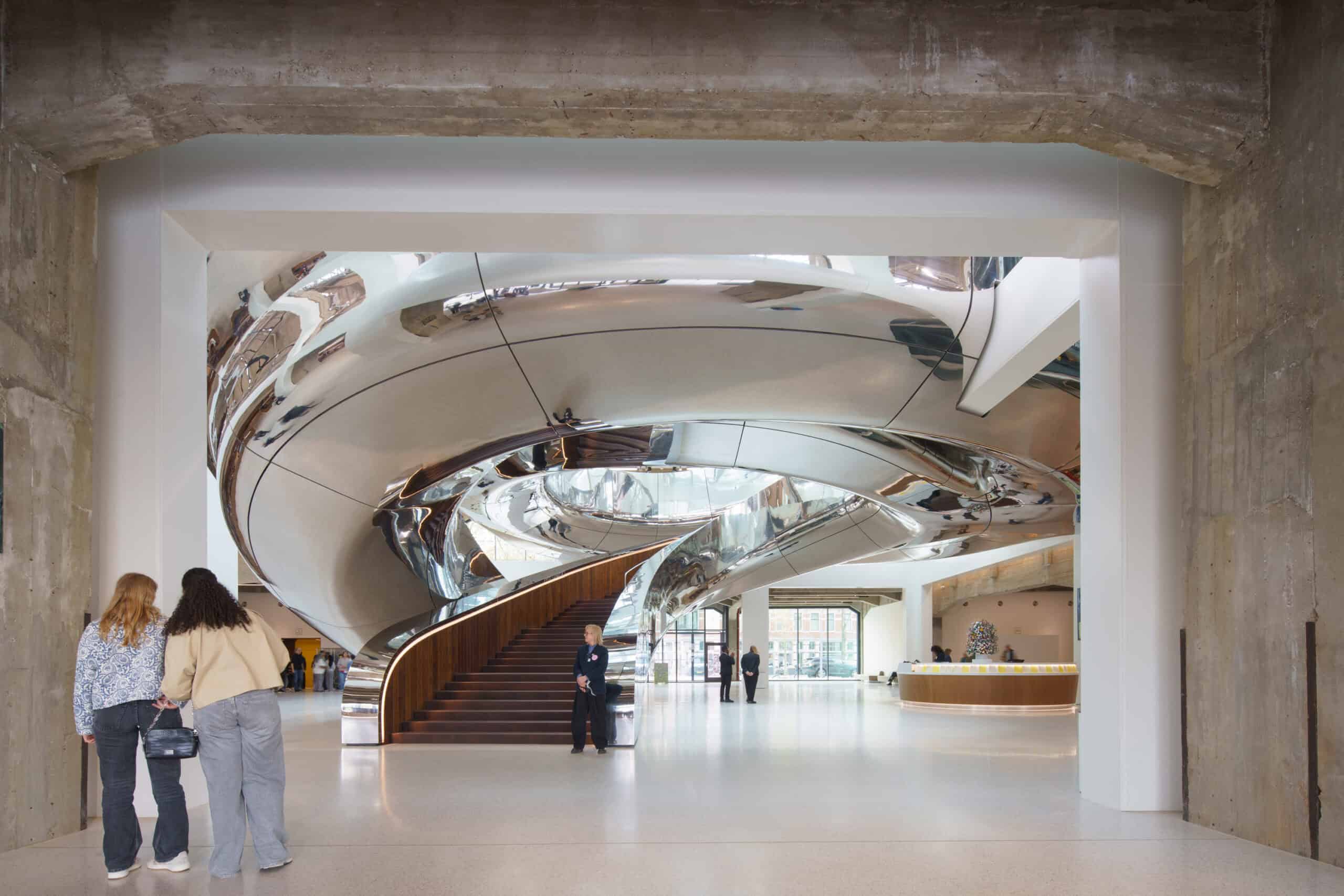 Image: Fenix migration museum in Rotterdam. Photo: Frank Hanswijk
Fenix and De Nijverhoek place
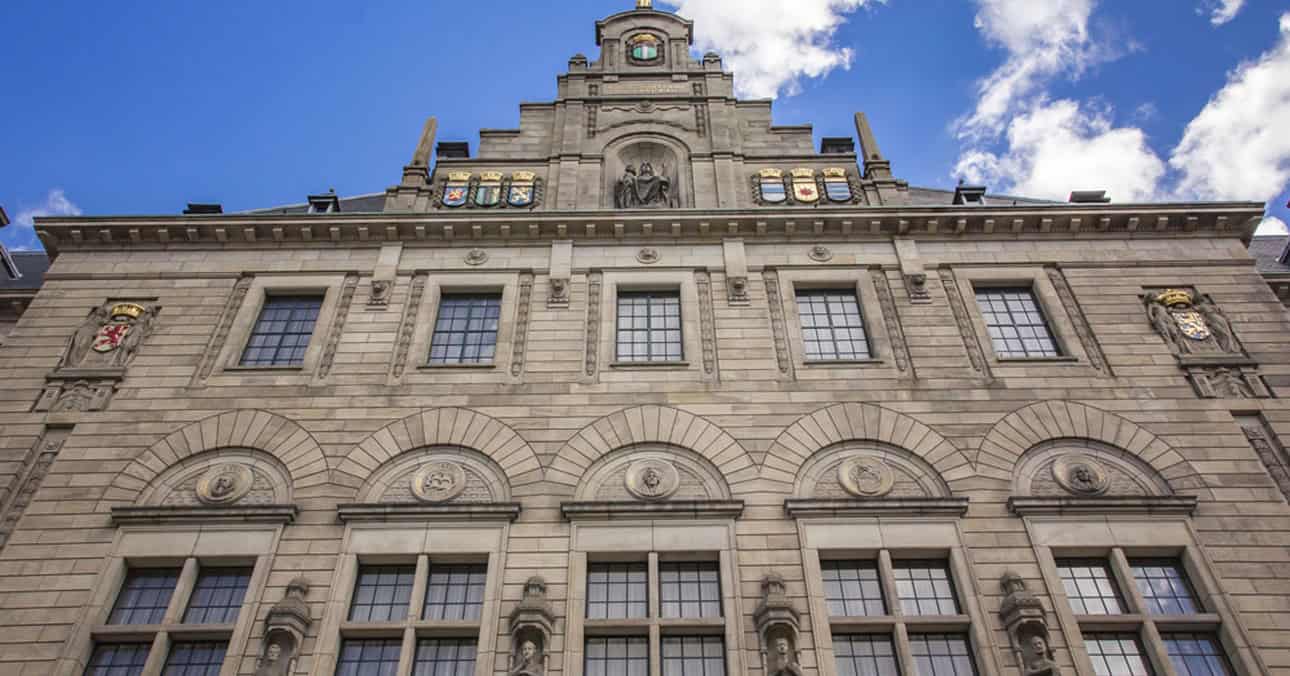
Fenix finished second in the public vote and received the jury’s other honourable mention. The migration museum occupies a restored warehouse on Katendrecht, with its polished steel Tornado staircase rising through the atrium and above the roof. The jury praised the contrast between the restrained treatment of the historic warehouse and the expressive new staircase.
The building also includes Plein, an area at Fenixplein that can be used by neighbourhood residents, museum visitors and passers-by. This public part of the project helped strengthen the museum’s relationship with Katendrecht rather than making it a closed cultural destination.
Do you run a business? RotterdamStyle is looking for a main sponsor. Get exclusive visibility across our website for a fixed fee. Interested? Contact us 🤝
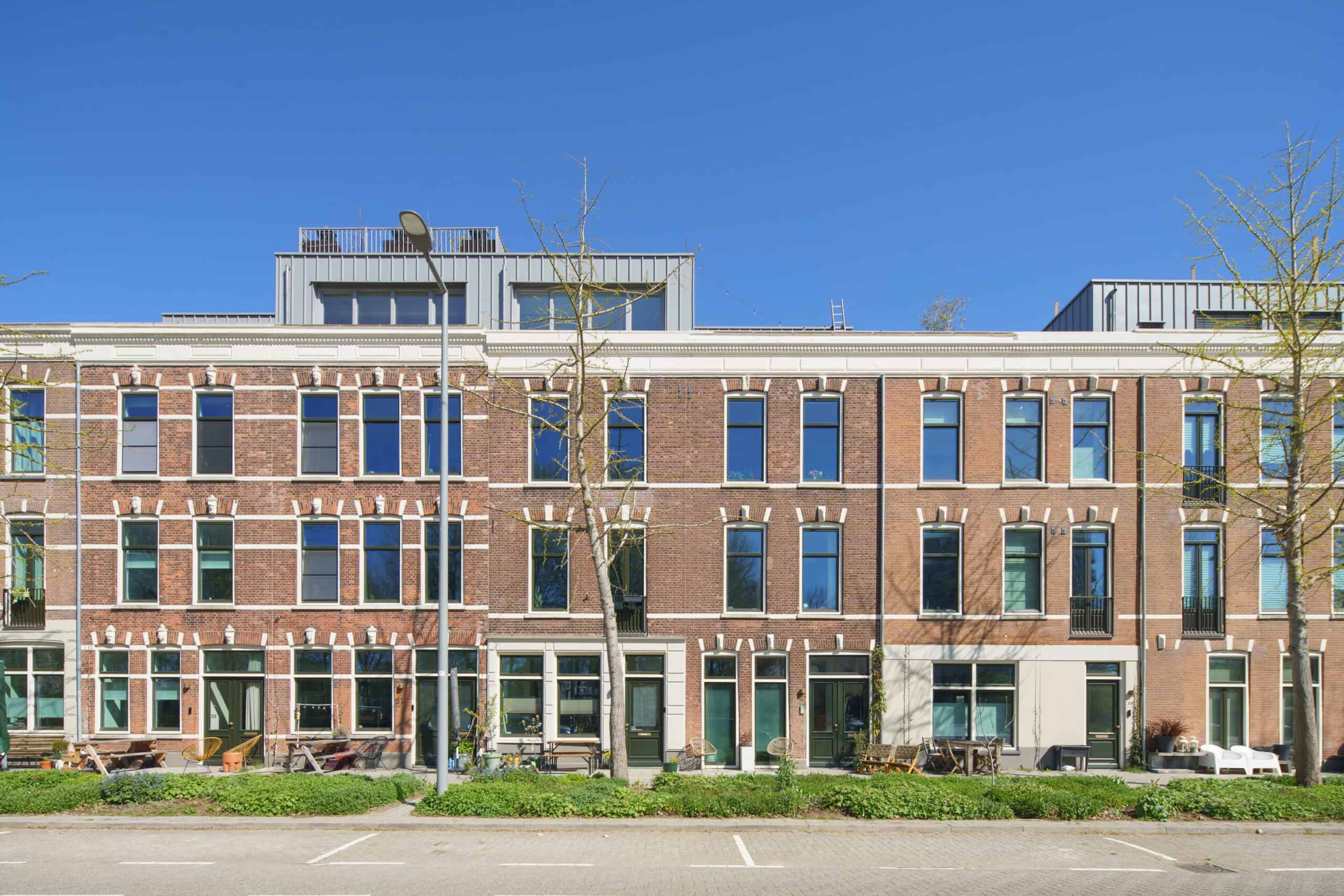 Image: De Nijverhoek. Photo: Frank Hanswijk
De Nijverhoek took third place in the public vote. The project began with social rental homes that had been marked for demolition but were instead turned into renovation properties through collective private commissioning (collectief particulier opdrachtgeverschap).
Future residents organised themselves through CPO De Nijverhoek and worked with Vanschagen Architecten and BIK Bouw. The approach preserved the early 20th-century street frontage while allowing the homes and roofscape behind it to vary according to the residents’ plans.
Architecture at two different scales
The two main winners show that Rotterdam’s architecture debate is no longer limited to visual landmarks. SAWA tackles housing, carbon, biodiversity and communal life within a 50-metre building. Steeds Hooger addresses many of the same questions through a modest football clubhouse that thousands of players, families and visitors will use.
That difference in scale is precisely what makes the result interesting. The jury chose an ambitious timber housing project, while the public backed the careful rescue of a familiar sports building. Both suggest that the future of Rotterdam architecture may depend as much on what a building does and retains as on how spectacular it looks.