
HAPPENING 7–11 OCT 2026 | Architecture Film Festival Rotterdam returns in October 2026 with another edition devoted to film, architecture, cities and the built environment. The main festival runs from 7 to 11 October, while AFFR’s immersive media programme continues at Nieuwe Instituut until 25 October.
Architecture Film Festival Rotterdam 2026: confirmed dates
AFFR has confirmed that its main 2026 festival will take place from 7 to 11 October 2026. The wider 2026 edition runs until 25 October 2026, because the immersive media exhibition continues after the regular festival screenings.
The confirmed locations are:
- Theater Rotterdam: Opening Night, 7 October 2026
- LantarenVenster: regular festival screenings, 8 to 11 October 2026
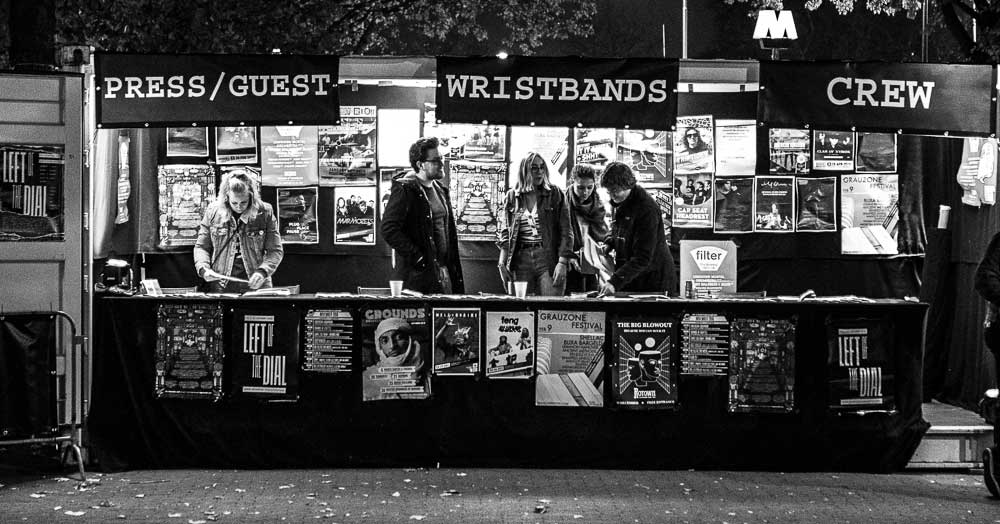
- Nieuwe Instituut: immersive media exhibition, 8 to 25 October 2026
Do you run a business? RotterdamStyle is looking for a main sponsor. Get exclusive visibility across our website for a fixed fee. Interested? Contact us 🤝
What to expect in 2026
Programming details and ticket sale dates for AFFR 2026 have not yet been published. AFFR usually presents a broad programme of documentaries, fiction films, shorts and immersive media projects, alongside talks, debates, masterclasses and special events.
The festival focuses on architecture, urban development, landscape, housing, public space, climate, labour, heritage and the social and political forces that shape the city. In short: cinema as a way of looking harder at the built world around you.
Film submissions for AFFR 2026
The submission period for AFFR 2026 has now closed.
Regular film submissions were originally open until 2 May 2026 and were later extended to 31 May 2026. AFFR expects to notify selected filmmakers around mid-August 2026.
Immersive media submissions closed on 31 March 2026, with notification listed for May 2026.
This article will be updated again once AFFR publishes the 2026 programme and ticket information.
Do you run a business? RotterdamStyle is looking for a main sponsor. Get exclusive visibility across our website for a fixed fee. Interested? Contact us 🤝
Looking back at AFFR 2025
The 2025 edition of Architecture Film Festival Rotterdam took place from 8 to 12 October 2025 and marked the festival’s 25th anniversary. Screenings were held at Theater Rotterdam and LantarenVenster, while the immersive media programme Realitiesⁿ continued at Nieuwe Instituut.
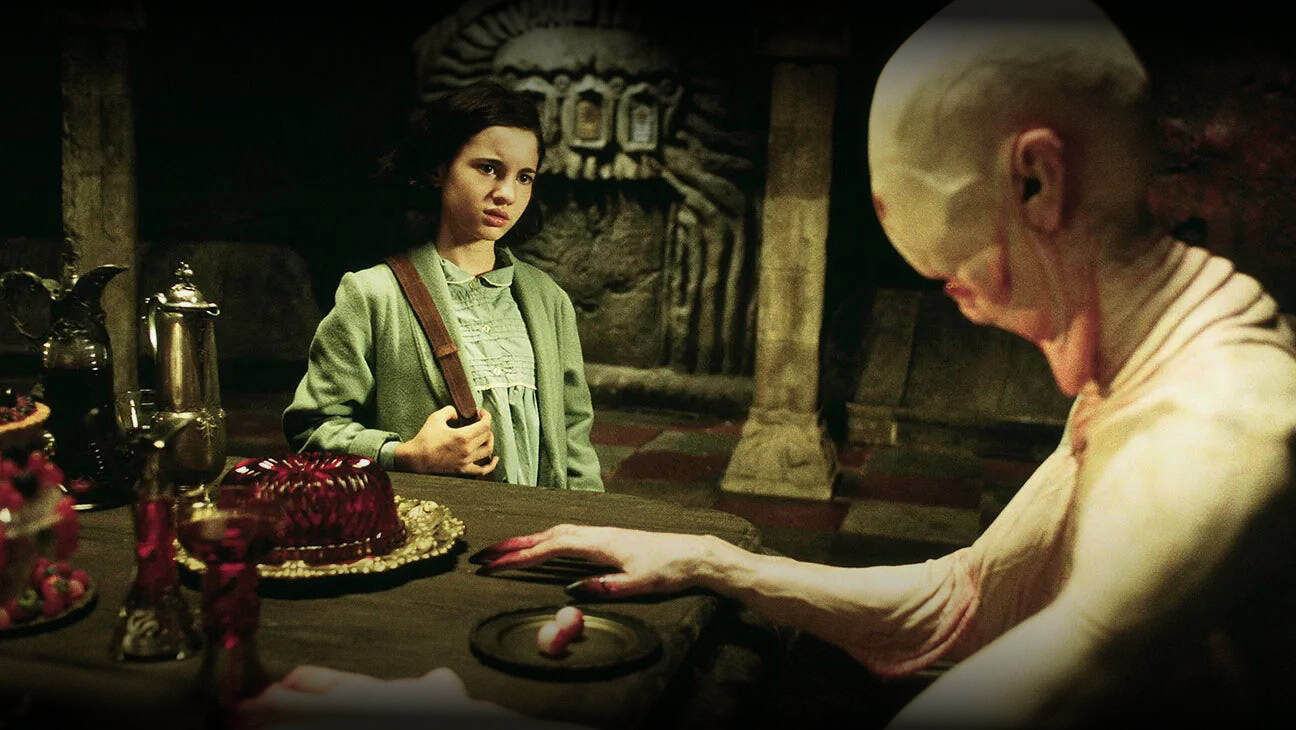
AFFR 2025 opened on Wednesday 8 October with The Great Arch, a fiction film by French director Stéphane Demoustier about Danish architect Johan Otto von Spreckelsen and the creation of the Grande Arche at La Défense in Paris. The opening screening took place at Theater Rotterdam.
About AFFR
Architecture Film Festival Rotterdam explores the relationship between film, city and architecture through screenings, introductions, debates and special programmes. Founded in Rotterdam in 2000, AFFR has grown into a major international platform for films about architecture, urban development and the built environment.
The festival brings together Rotterdam audiences, city lovers, students, researchers, designers, filmmakers and architects to discuss how cities are imagined, built, used and contested. For complete details about the programme, check out the official AFFR website.