

ROTTERDAM, 10 February 2026 – Rotterdam and grid operator Stedin have signed a cooperation agreement on expanding the city’s electricity grid. The deal includes how Rotterdam will find space for hundreds of new neighbourhood electricity kiosks in the decades ahead, while trying to keep them discreet and safe in the streetscape.
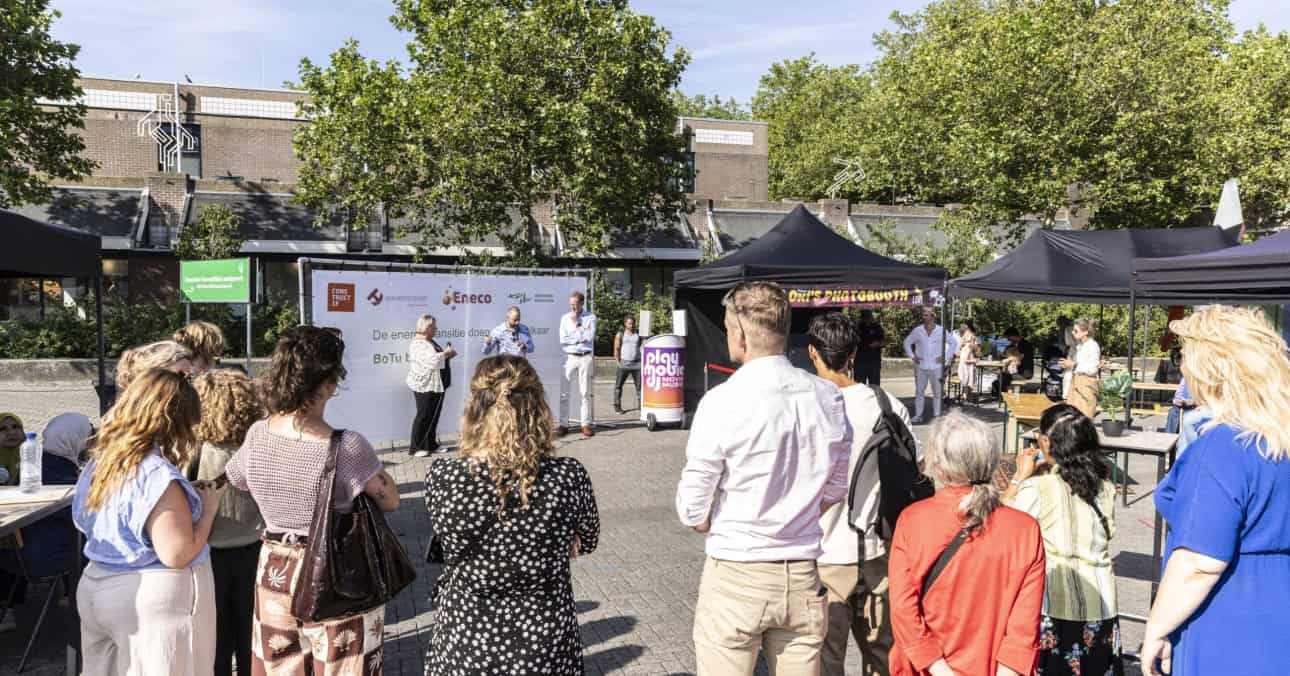
Image: From left to right: Amy van Groot Battavé (Municipality of Rotterdam), Martijn van der Steen (Municipality of Rotterdam), Lieske IJntema (Stedin), Alderman Chantal Zeegers (including climate portfolio, Municipality of Rotterdam), Aline Arends (COO, Stedin), Maarten Bijl (Regional Director, Stedin South Holland), Bert Vos (Municipality of Rotterdam).
The agreement focuses on the practical side of grid expansion: between 800 and 1,200 electricity kiosks are expected to be added in Rotterdam between now and 2050, driven by new homes, new businesses, and the energy transition.
What the agreement covers
Rotterdam and Stedin say they will work neighbourhood by neighbourhood to identify suitable locations for new electricity kiosks. The city highlights that this is complicated in a dense urban environment, where space is limited and competing claims on public space are constant. The stated aim is twofold: build a future-proof electricity grid, while making sure new kiosks are carefully integrated into the neighbourhood, so they do not stand out too much and do not create traffic-safety issues.
Where the kiosks could go
One of Rotterdam’s ambitions in the agreement is to place as many electricity kiosks as possible inside buildings, rather than as standalone boxes in public space. That approach is meant to reduce visual impact on streets and squares, while still creating the capacity needed to meet rising demand for electricity.
Chantal Zeegers on speed and careful placement
Alderman Chantal Zeegers (including climate portfolio) says grid expansion needs to move quickly, while the city also wants to avoid clumsy placement in neighbourhood streets.
“There really needs to be speed in expanding the electricity grid. I am glad we are tackling this together with Stedin, and that we have made clear agreements about fitting those extra electricity kiosks properly into neighbourhoods.” — Chantal Zeegers, Rotterdam alderman
Do you run a business? RotterdamStyle is looking for a main sponsor. Get exclusive visibility across our website for a fixed fee. Interested? Contact us 🤝
Limiting disruption in the street
The work is not only about adding new kiosks. Rotterdam and Stedin also point to upgrades to existing kiosks and the laying of additional cables, which can affect temporary access in a neighbourhood and cause nuisance.
To reduce repeated roadworks, the agreement includes planning principles that aim to combine grid works with other projects in the area, such as sewer replacement, as well as new-build development, so streets are not dug up more often than necessary.
A push to use electricity outside peak hours
Alongside physical expansion, Rotterdam and Stedin also call on residents to use the grid more “smartly” by shifting electricity use away from the busiest hours of the day.
They highlight the 16.00 to 21.00 window as peak time, suggesting actions like delaying EV charging, or running appliances such as washing machines and dishwashers later in the evening.