
ROTTERDAM, 6 January 2026 – As winter temperatures persist, household energy use in Rotterdam typically increases. Many residents review their energy habits in January as bills arrive and routines return to normal after the holidays.
Winter in Rotterdam does not have to mean a financial shock. The cold pushes up energy use, and January is often when you see the damage, as bills arrive and routines return after the holidays. The good news is that the biggest savings usually come from boring, repeatable habits: how you heat your home, how you deal with drafts and damp, and how you use electricity when daylight is short.
Heating: go after the biggest cost first
Space heating is usually the main winter expense, especially in older apartments where insulation is limited and heat escapes through windows, floors, and gaps around doors.
Start with three moves that cost little or nothing:
1) Set a realistic target temperature
Try keeping your main living space at about 19°C when you are home, then test whether you can go one degree lower with warmer clothes or a blanket. If you have underfloor heating or a full electric heat pump, avoid large temperature swings and use smaller adjustments.
2) Heat the rooms you actually use
Close doors, turn radiators down in unused rooms, and do not pay to heat hallways and spare bedrooms all day. If you work from home, pick one room as your daytime base and make it comfortable.
3) Stop warm air leaking out
Draft proofing is often the quickest win in Rotterdam’s older housing stock. Check gaps around front doors, balcony doors, and window frames. Even a simple draft strip can make a room feel warmer at the same thermostat setting.
Small upgrades that pay back quickly
If you can do a little more, focus on measures that reduce heat loss without major construction:
- Radiator foil on external walls behind radiators
- Thick curtains that you close at night, and open in daylight
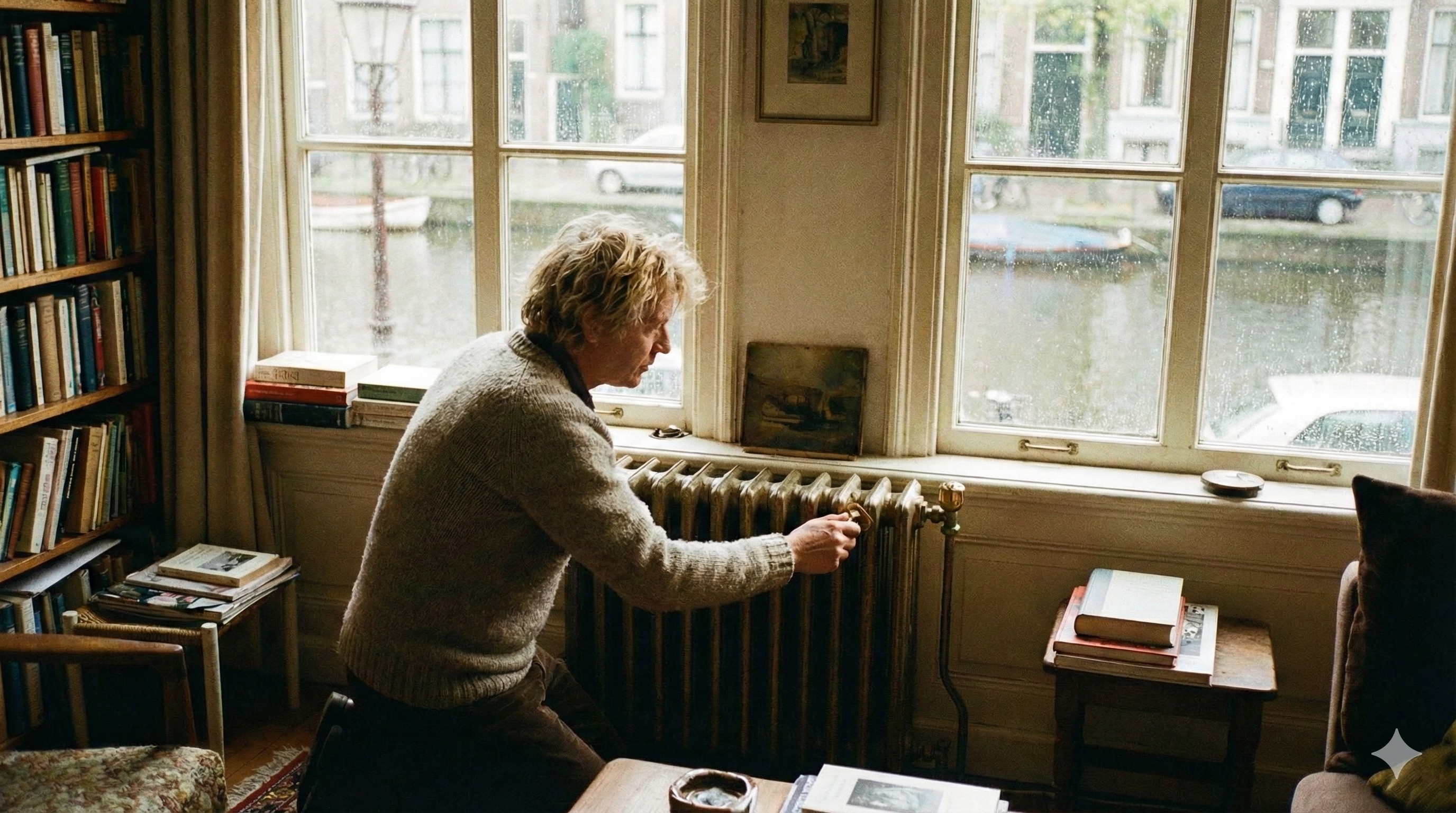
- Bleed radiators so they heat evenly
- Do not block radiators with furniture, it stops warm air circulating
Receiving help from the municipality
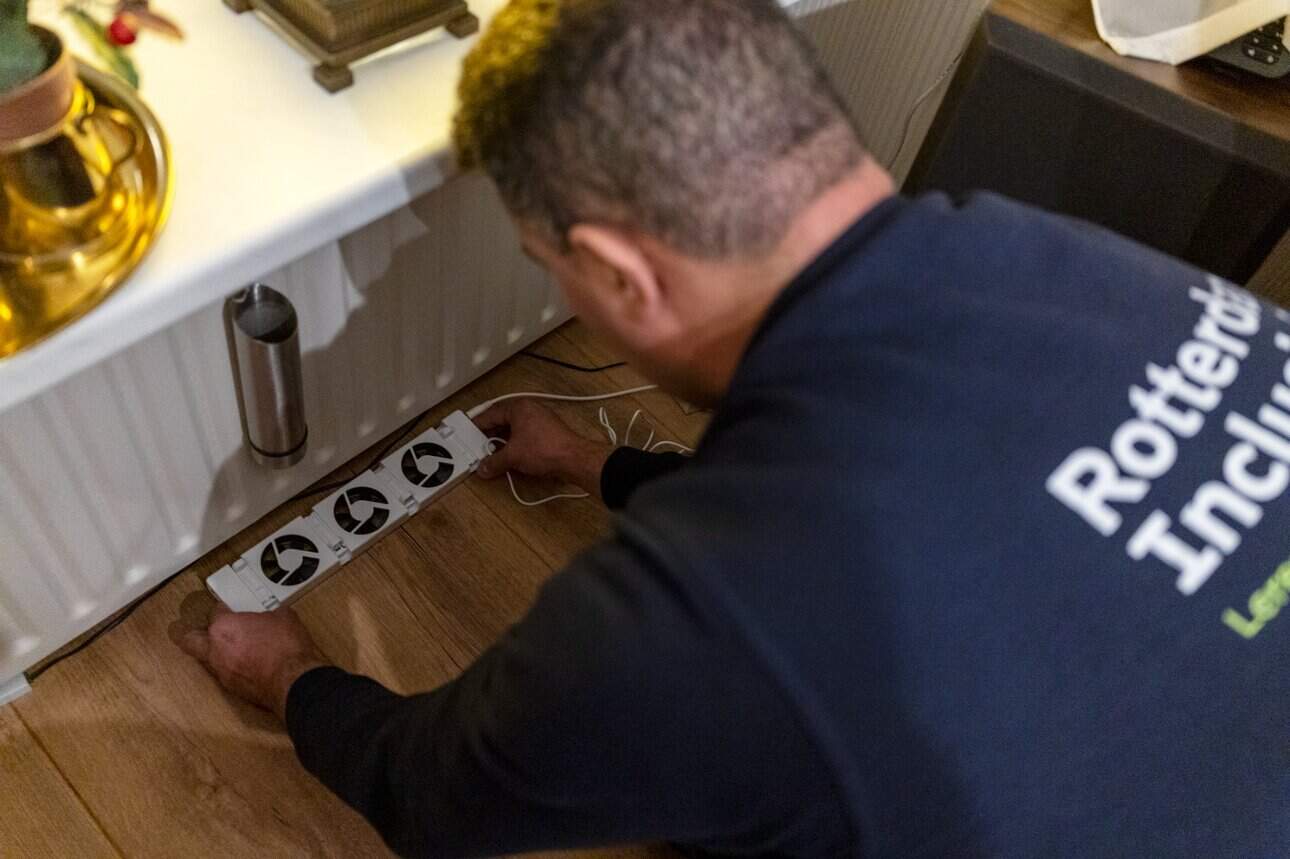
If your household has a low income, you may be eligible for practical help at home. The municipality’s Energieklusser programme can install small measures such as LED bulbs, draft strips and radiator foil, and in some owner occupied homes can also help with radiator balancing and ventilation improvements. Apply through the municipality, or read the overview on Duurzaam010.
Ventilation: cut damp without throwing heat away
Rotterdam’s winter problem is often moisture as much as cold. If you seal a home tightly and do not ventilate, humidity rises, condensation forms, and mould can follow.
Aim for steady, controlled ventilation:
- Keep ventilation grilles open if you have them
- Ventilate extra after cooking and showering
- If you open windows briefly, keep it short and turn the heating down while you do it, so you are not heating the street
Electricity use: winter habits that quietly add up
Short days mean more lighting and more time indoors. This is where small choices stack:
- Switch to LED bulbs and turn lights off in empty rooms
- Avoid standby use where you can, especially with older TVs, game consoles and set top boxes
- Use eco programmes on dishwashers and washing machines, and skip tumble drying when air drying is possible
Does it help to run appliances at night?
Sometimes, but not always. If you have a single tariff, you pay the same price per kWh all day, so shifting the dishwasher to midnight will not reduce the rate. If you have a double tariff (day and night) or a dynamic contract, timing can matter, and spreading use outside the evening peak may also help the grid.
If you are unsure what you have, check your contract or ask your supplier whether you are on a single tariff, a double tariff, or a dynamic price plan.
Check your January numbers before they bite
January is a sensible moment to look at your annual consumption and your monthly advance payment. If your direct debit is set too low, you may be heading for an unpleasant year end bill. If it is set too high, you are giving your supplier an interest free loan.
If you have a smart meter, use it. A quick weekly check during cold spells can show whether your gas use is climbing faster than expected.
What support exists in Rotterdam right now
If you are worried about affordability or you want practical help, start here:
- Municipality of Rotterdam: “Hulp bij hoge energiekosten” and “Energiebesparen past bij iedereen” pages collect current support options and routes to advice.
- Energieklusser: home visits that install small measures, aimed at households on a minimum income.
- Energiebank Rotterdam: energy coaching and support to help you get lasting control of your energy costs.
If you own your home and are planning bigger steps, look at national schemes too:
- ISDE subsidy (RVO): support for insulation and sustainable heating options. From 2026 there is also subsidy for ventilation when combined with one or more insulation measures.
- Nationaal Warmtefonds: an Energiebespaarlening, including a 0% interest option for eligible owner occupiers under an income threshold.
- If you live in an apartment building with a VvE, Rotterdam has an insulation subsidy route available until 31 March 2027, and there is dedicated help through VVE 010.
P.S. Do not start with the most expensive upgrade. Start with heat settings, room by room heating, draft proofing, and smarter daily routines, then use Rotterdam’s local support if you qualify. Winter will still be winter, but your bill does not have to be brutal.