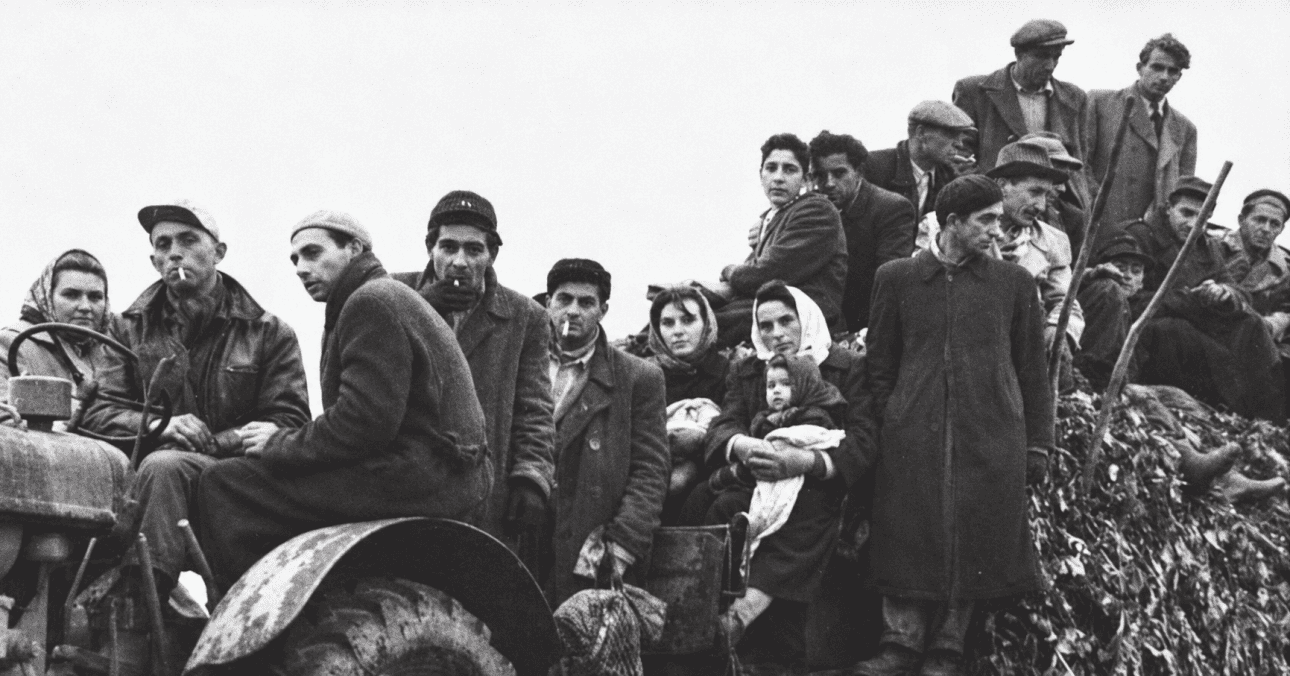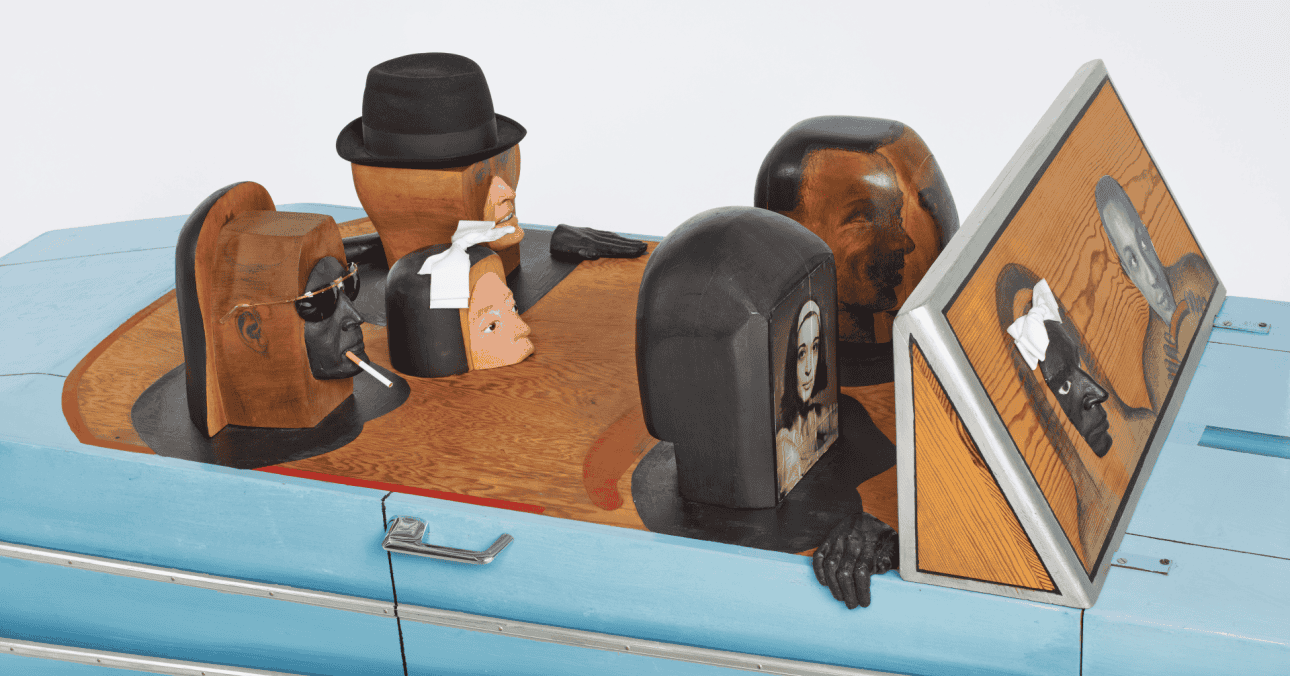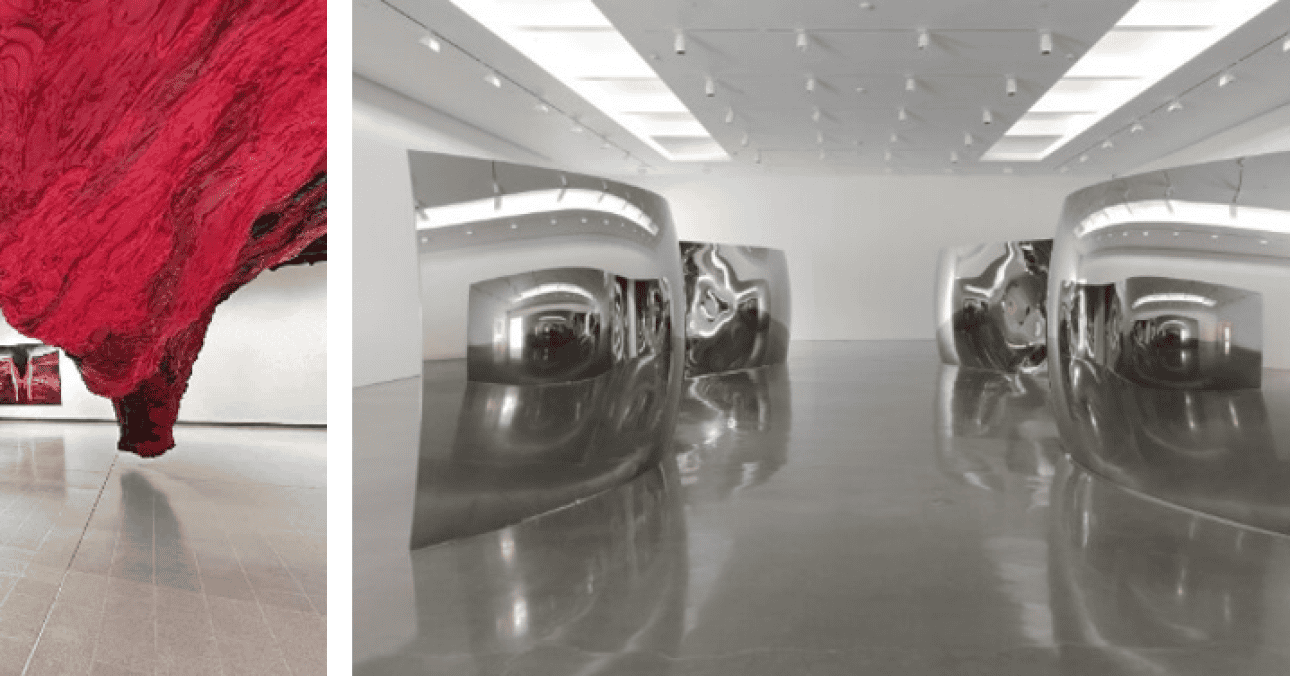

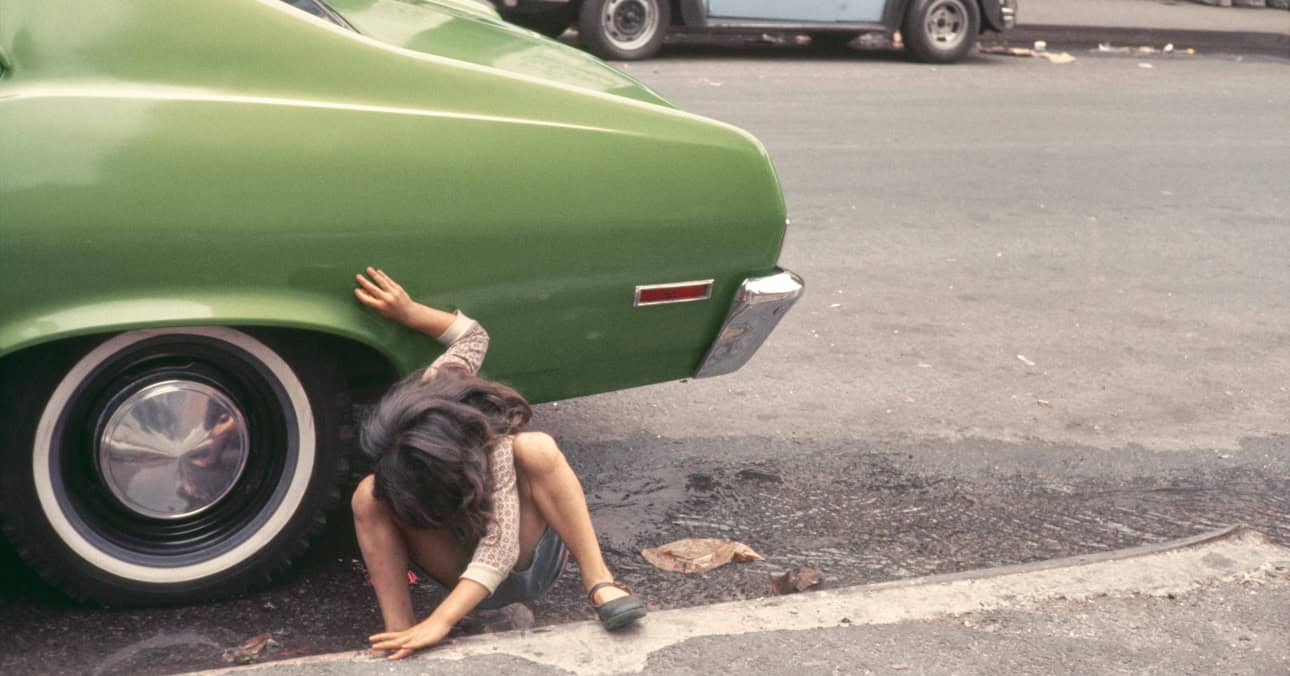
FROM 30 MAY- 4 OCT '26 | Kunsthal Rotterdam is opening a major Helen Levitt exhibition this spring, bringing more than 220 photographs, a film and colour slides to the city. Helen Levitt: City at Play traces over fifty years of work by one of the key figures in street photography, with images that turn everyday New York life into something quietly unforgettable.
Levitt spent her career photographing the street as she found it: children running through water from a fire hydrant, people pausing in doorways, couples on the subway, chance encounters that might otherwise disappear in seconds. Her pictures are unposed and unsensational, but never dull. What stays with you is the mix of humour, tenderness and attention to ordinary life.
She is widely seen as one of the most influential photographers of her generation. Early in her career she had a solo exhibition at the Museum of Modern Art at a time when photography was still fighting for recognition as an art form in its own right. Even so, Levitt herself remained famously reserved about her work, once saying: “Just what you see. If it were easy to say in words, I’d be a writer.”
Early New York on the street
The exhibition begins with Levitt’s early photographs from the 1930s, made in Harlem, the Lower East Side and Hell’s Kitchen. These images show the city at ground level: a solitary figure hunched on a street, two women outside a shop window, a boy lingering on the pavement. They already carry the intimacy and precision that would define her later work.
During those years, Levitt moved in the orbit of major twentieth-century photographers. Henri Cartier-Bresson influenced her way of looking, while Walker Evans recognised her talent early and introduced her to his circle. Through him she met writer James Agee and art historian Janice Loeb, both of whom would later become important collaborators.
Do you run a business? RotterdamStyle is looking for a main sponsor. Get exclusive visibility across our website for a fixed fee. Interested? Contact us 🤝
Children, chalk and close observation
A particularly striking part of City at Play looks at the chalk drawings Levitt photographed from 1937 onwards while teaching children in East Harlem through the Federal Art Project. On her way to school, she captured drawings on pavements and walls, sometimes with the children who made them still nearby. These works sit close to the heart of her practice: fleeting marks, fragments of play and the everyday creativity of the street.
That same period also saw Levitt photograph Roma and Sinti families in Spanish Harlem and Yorkville, often with children at the centre of the frame. Between 1938 and 1940 she made some of her best-known images, developing the style that would become unmistakably hers. Working with a 50mm lens and a right-angle viewfinder, she could stay close to people without drawing attention, letting scenes unfold naturally.
Mexico, film and colour photography
The show also follows a shift in Levitt’s work during her 1941 stay in Mexico City. She spent five months there, photographing neighbourhoods beyond the centre after being moved by Cartier-Bresson’s pictures of the city. These images feel rawer and more direct than much of her New York work, with poverty and inequality far more visible in the frame.
In the mid-1940s, Levitt worked with Janice Loeb and James Agee on the black-and-white short film In the Street, now regarded as an early precursor to cinéma vérité. Around the same time she was also developing A Way of Seeing, the book of her New York photographs that would eventually appear in 1965 and become a landmark in her body of work.
Do you run a business? RotterdamStyle is looking for a main sponsor. Get exclusive visibility across our website for a fixed fee. Interested? Contact us 🤝
Why City at Play still matters
One of the most interesting turns in the exhibition is Levitt’s move into colour at the end of the 1950s, when black and white still dominated serious art photography. Backed by a Guggenheim Fellowship, she committed to colour fully, and Kunsthal Rotterdam is showing these works through both prints and projections, echoing the way Levitt presented them herself. Here, colour is not decorative. It becomes part of the structure of the image.
The exhibition closes with work from the New York subway and her later years, when she kept searching for the same quiet details that had always interested her: a hand on a rail, a glance between strangers, a moment of stillness in a crowded place. For Rotterdam, a city that knows the poetry of street life well, Helen Levitt: City at Play feels like the kind of exhibition that rewards slow looking.
The exhibition was developed in close collaboration with Fundación Mapfre in Madrid.
More information is available at: https://www.kunsthal.nl/en/plan-your-visit/exhibitions/helen-levitt/
How to get there
Kunsthal Rotterdam is on the Museumpark, one of the easiest cultural areas in the city to reach. If you are coming by public transport, Eendrachtsplein is a useful stop for metro, tram and a short walk towards the Westzeedijk. You can also travel via Rotterdam Centraal and continue by tram, metro or on foot if you do not mind a longer city walk. The venue sits close to other major museums and landmarks in the area, so it is an easy stop to combine with more time around Museumpark.
P.S.
A catalogue, Helen Levitt, will be published alongside the exhibition, with essays by co-curator Joshua Chuang and photography and art history specialists Lauren Graves, Elizabeth Grand, Monica Bravo, Anne Bertrand, Freya Field-Donovan and Joel Sternfeld. The English-language publication is issued by Thames & Hudson and will be available from the Kunsthal shop for €63.95. ISBN: 9780500030974.