
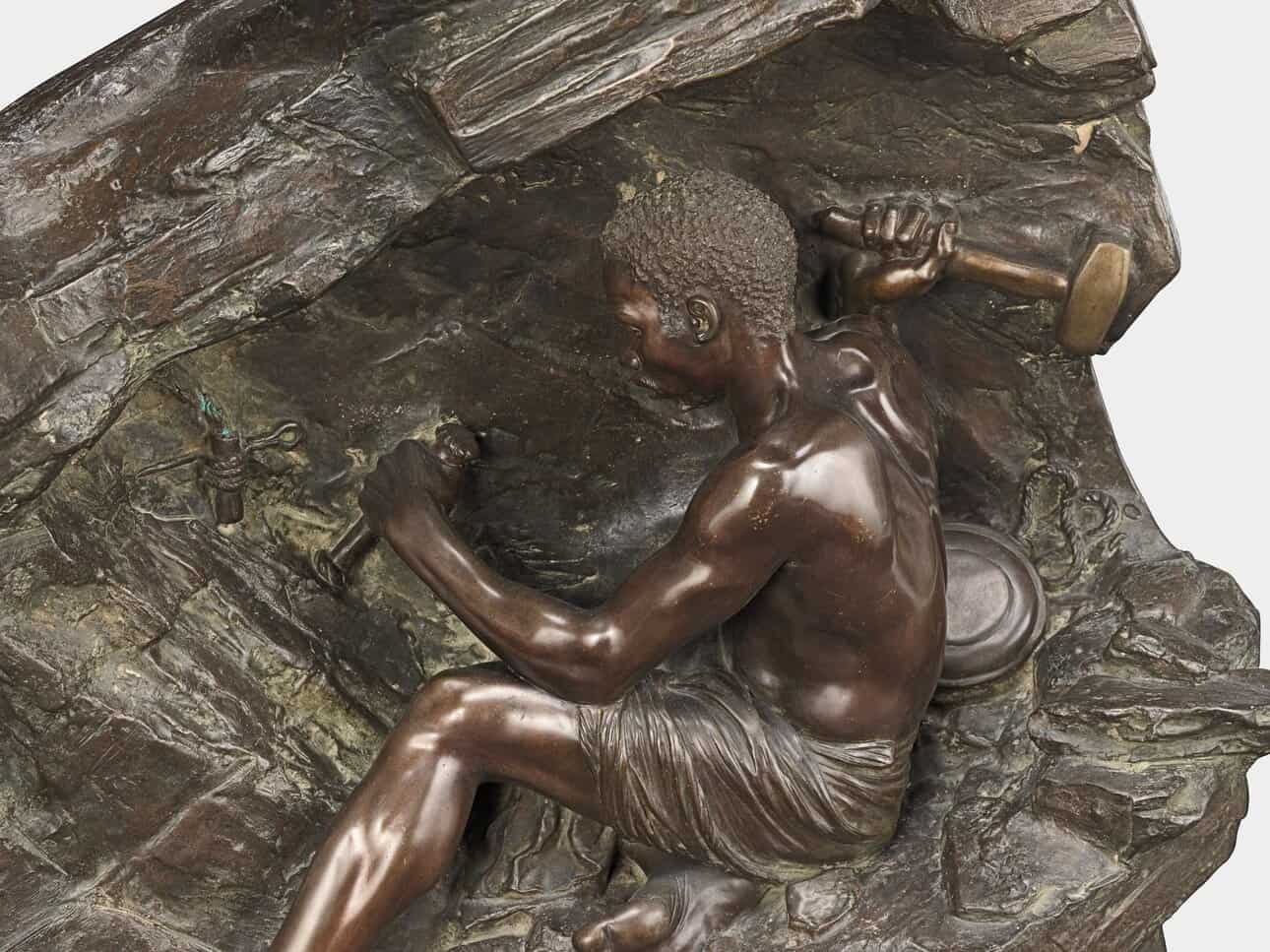
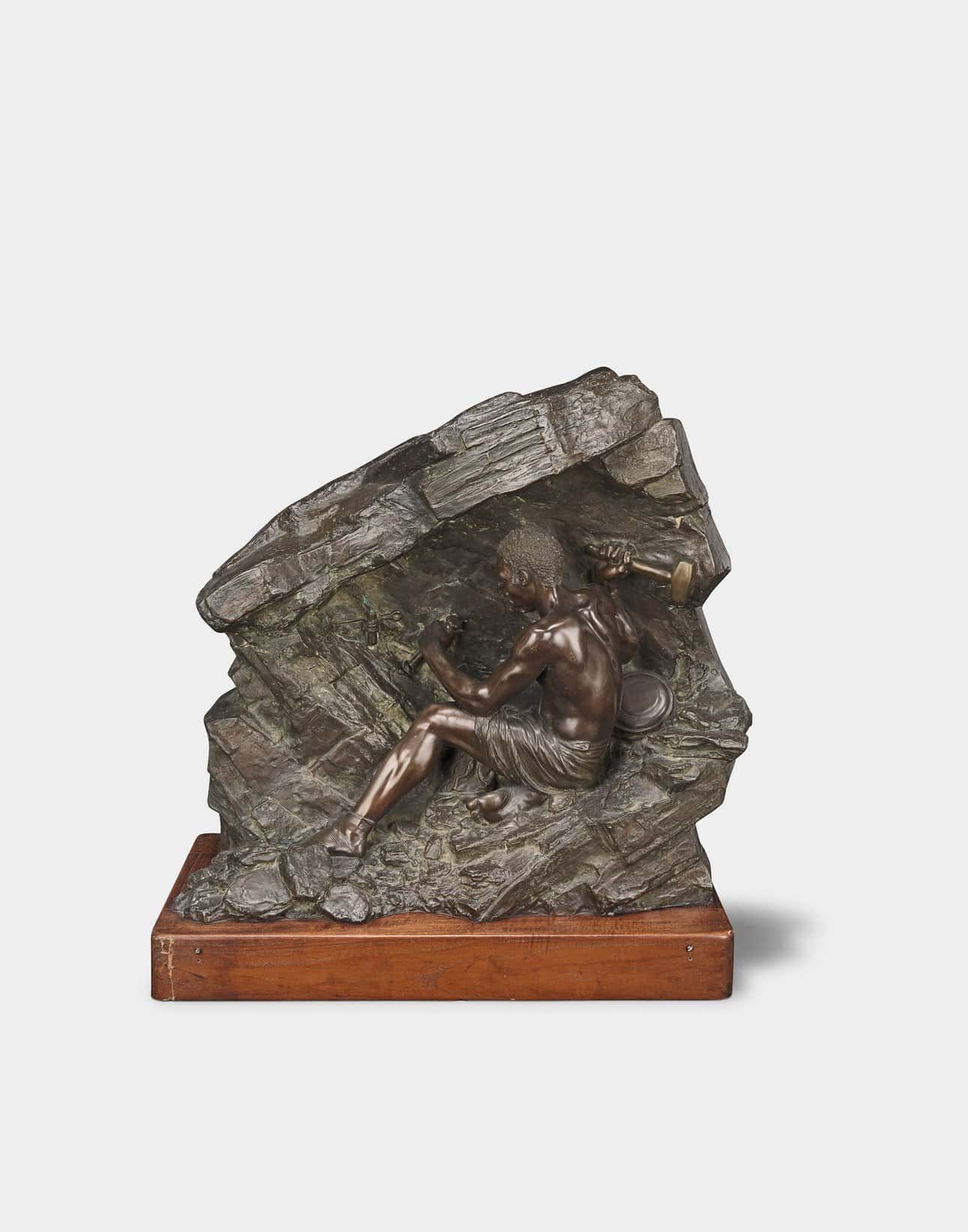
ROTTERDAM, 26 March 2026 – Fenix has become the first art museum in the Netherlands to acquire a bronze sculpture by Anton van Wouw, a major European sculptor whose career unfolded in colonial southern Africa. The newly acquired The Hammer Worker will go on view in Rotterdam this summer as part of the museum’s collection display All Directions (Alle Richtingen).
Fenix’s latest acquisition brings a long-overlooked artist back into Rotterdam’s story. Van Wouw was born in Driebergen, spent his youth in Rotterdam and studied at the city’s Academy of Fine Arts before leaving for southern Africa at the age of 28.
The work, The Hammer Worker, depicts a miner and centres on a type of migrant labourer that still feels painfully current. Whether you think of contract workers, refugees, labour migrants or undocumented workers, the sculpture connects an early 20th-century figure to forms of physically demanding work that still shape lives across the world.
A Rotterdam link rediscovered
That connection matters in Rotterdam, where migration is part of the city’s fabric and where Fenix is building its collection around that theme. Van Wouw’s own biography adds another layer, as a migrant artist with Rotterdam roots who built his career elsewhere.
His work is well represented in major South African museum collections that emerged during the colonial era, yet he has remained largely absent from European art museums. In the Netherlands, he has barely been visible at all, which makes this acquisition notable for both Fenix and Rotterdam’s wider cultural landscape.
Do you run a business? RotterdamStyle is looking for a main sponsor. Get exclusive visibility across our website for a fixed fee. Interested? Contact us 🤝
The story behind the miner
The Hammer Worker also points to a specific labour history. After vast gold reserves were discovered in the Witwatersrand in 1886, the mining industry drew large numbers of workers from neighbouring regions including Tanzania, Zimbabwe, Botswana and the Portuguese colony of Mozambique.
Many Shangaan workers from southern Mozambique were forced to cover their own travel and visa costs and laboured in harsh conditions in the Transvaal gold mines. Van Wouw was one of the few artists to give these workers a visible place in sculpture, and the version acquired by Fenix is the rare large-scale one, weighing 58 kilos rather than the much smaller bronze variants better known from elsewhere.
 Fenix acquires rare Anton van Wouw sculpture in Rotterdam
When you can see it
From this summer, you will be able to see the sculpture in All Directions (Alle Richtingen), Fenix’s presentation of its international collection. The museum places the work within a broader conversation about migration across eras and continents, which gives the sculpture a clear place within its programme.
The acquired work is a bronze sculpture measuring 60.5 x 66 x 24 cm, signed and dated ‘A van Wouw / 1911 Joh-burg’. It shows how a work rooted in South African history can also speak directly to Rotterdam, a city shaped by movement, labour and arrival.
Do you run a business? RotterdamStyle is looking for a main sponsor. Get exclusive visibility across our website for a fixed fee. Interested? Contact us 🤝
What else is on show at Fenix
Alongside All Directions, Fenix presents The Family of Migrants, a documentary photography exhibition with nearly 200 images by 136 photographers in 55 countries. The museum also includes the Suitcase Labyrinth (Kofferdoolhof), built from 2,000 donated suitcases.
You will also find Plein, an indoor city square, as well as food spaces that reflect stories of migration through different cuisines. The museum’s most visible architectural feature is the 30-metre-high Tornado, a double-twisting staircase that leads to a panoramic deck overlooking Rotterdam.
How to get there
Fenix is located at Paul Nijghkade 5 on Katendrecht, on the historic quays of departure and arrival in Rotterdam. You can get there easily via Rijnhaven metro station, and the museum also sits within walking distance of Wilhelminaplein, Hotel New York and the Dutch Fotomuseum.
.jpg "Popronde Rotterdam - date, locations, artists, info")