
Many private tenants in Rotterdam are still paying more rent than legally permitted, despite new rules intended to protect them. An investigation by the Rekenkamer Rotterdam has found that the municipality's approach has produced relatively few rent reductions, with tenants often too afraid to report their landlords and enforcement against repeat offenders remaining limited.
ROTTERDAM, 26 October 2026 - The independent municipal audit office has criticised Rotterdam's implementation of the Dutch Affordable Rent Act (Wet betaalbare huur), which came into force on 1 July 2024. In its report De huur blijft te duur (The rent remains too expensive), the Rekenkamer concludes that the city's efforts to inform tenants and encourage complaints have not been sufficiently effective in tackling excessive rents.
Rotterdam has approximately 213,000 rental homes, around one-third of which are privately owned. The law gives tenants in regulated housing, including the middle rental sector, greater protection against excessive rents. Since January 2025, municipalities have also had the authority to take enforcement action against landlords who breach the rules.
Do you run a business? RotterdamStyle is looking for a main sponsor. Get exclusive visibility across our website for a fixed fee. Interested? Contact us 🤝
Only 34 rent reductions achieved during the investigation
According to the Rekenkamer, the municipality received 212 relevant reports during the period examined, but these resulted in just 34 rent reductions by mid-March 2026. The auditors consider this a disappointing outcome given the scale of the problem and the resources devoted to informing tenants and investigating complaints.
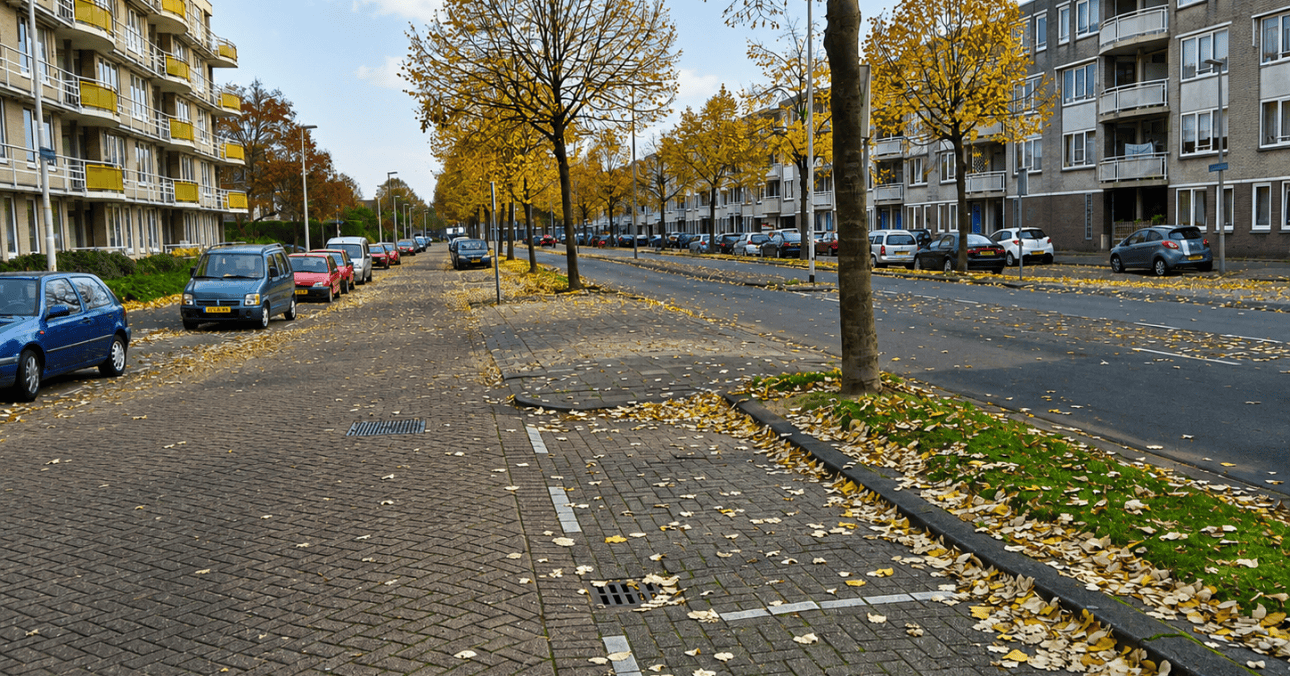
The situation is particularly concerning in neighbourhoods such as Carnisse in Rotterdam-Zuid. The municipality estimates that at least 62% of tenants there may be paying more than the legally permitted rent. During home visits, inspectors encountered households paying twice the maximum allowed amount, with some cases exceeding it by more than three times.
Yet relatively few tenants come forward. The Rekenkamer found that fear of retaliation, intimidation by landlords and a lack of trust in the authorities can discourage people from reporting excessive rents. Its survey also found that only 30% of respondents had some idea of where to turn if they believed their rent was too high.
The auditors argue that an enforcement strategy relying heavily on complaints places too much responsibility on the very people the legislation is intended to protect. The report recommends identifying and investigating landlords who repeatedly break the rules, rather than waiting for individual tenants to raise concerns.
Rotterdam promises tougher action against landlords
The municipality has accepted the Rekenkamer's recommendations almost entirely. These include taking a more proactive approach towards repeat offenders, making it easier for tenants to report problems and ensuring sufficient staff and resources are available for enforcement.
Housing alderman Astrid Kockelkoren acknowledges that some tenants still face excessive rents, discrimination and intimidation. The municipality says it is committed to protecting tenants and improving the effectiveness of its enforcement activities.
Since June 2026, Rotterdam has adopted a stricter approach, moving more quickly towards formal sanctions when landlords breach the rules. Several administrative fines have since been imposed. The municipality publishes details of these decisions in its public register of landlord sanctions.
The timing matters. The Rekenkamer's findings primarily concern the earlier implementation period, when formal sanctions were limited. Rotterdam's subsequent enforcement measures are therefore not fully reflected in the investigation's results.
The city has also been conducting door-to-door inspections and information campaigns in cooperation with housing associations Woonbron and Woonstad. These visits allow inspectors to identify potential rent violations while explaining tenants' rights directly to residents.
Rotterdam particularly wants to improve its communication with vulnerable tenants, including migrant workers who may face language barriers or depend on their landlords for accommodation. The municipality intends to work more closely with neighbourhood organisations and online platforms used by these communities.
At the end of 2027, the city plans to evaluate the results of its strengthened enforcement programme.
Do you run a business? RotterdamStyle is looking for a main sponsor. Get exclusive visibility across our website for a fixed fee. Interested? Contact us 🤝
How to check whether your rent is too high
If you rent a privately owned apartment or room in Rotterdam, your landlord may be legally restricted in how much rent they can charge. The maximum permitted amount depends on the property's characteristics and the rules applicable to your tenancy.
The Dutch housing valuation system (Woningwaarderingsstelsel, or WWS) awards points based on factors such as the property's size, energy efficiency, facilities and assessed property value. The total determines whether a home falls within the regulated rental sector and, where applicable, its maximum basic rent.
In 2026, homes with up to 186 points fall within the regulated social or middle rental segments, with a maximum of €1,228.07 for a property at the upper end of that range. However, the rules applying to an individual tenancy depend on factors including when the rental agreement was signed. Not every privately rented home is subject to the same rent ceiling.
You can estimate the maximum rent using the Huurcommissie's free Rent Check, which is also available in English. The Huurcommissie, the Dutch Rent Tribunal, can assess rents and issue binding decisions in eligible cases.
If the calculation suggests you are paying too much, you can request a rent reduction from your landlord and, where applicable, ask the Huurcommissie to assess your tenancy. You can also report suspected violations directly to the municipality through its Meldpunt Ongewenst Verhuurgedrag (Reporting Point for Undesirable Landlord Behaviour).
Municipal reporting can also be used for problems such as intimidation, discriminatory practices and excessive service charges. If you are worried about the consequences of making a complaint, consider seeking independent advice about your tenancy rights before taking action.
What happens next?
The findings raise questions about how Rotterdam can protect tenants who are legally entitled to lower rents but are reluctant to challenge their landlords.
The Rekenkamer wants enforcement to become less dependent on individual complaints, with greater attention given to landlords who repeatedly violate rental regulations. It also recommends better safeguards for tenants who encounter difficulties after reporting a landlord, including clearer arrangements for emergency accommodation.
As RotterdamStyle reported in February 2026, the municipality had previously highlighted an increase in tenant reports and the impact of rent reductions following inspections. The new audit provides a more critical assessment of whether those efforts are sufficient to address excessive rents across the city.
For tenants, the immediate advice is straightforward: check the rules that apply to your home, find out whether your rent is legally permitted and seek advice if you suspect you are being overcharged.
The complete investigation, De huur blijft te duur, is available through the Rekenkamer Rotterdam.