

ROTTERDAM, 22 January 2026 – Rotterdam’s housing associations and the municipality have signed new performance agreements (prestatieafspraken) aimed at building more than 4,000 social rental homes over 2026 and 2027. The package also commits to major upgrades for existing homes, plus spending on liveability in neighbourhoods across the city.
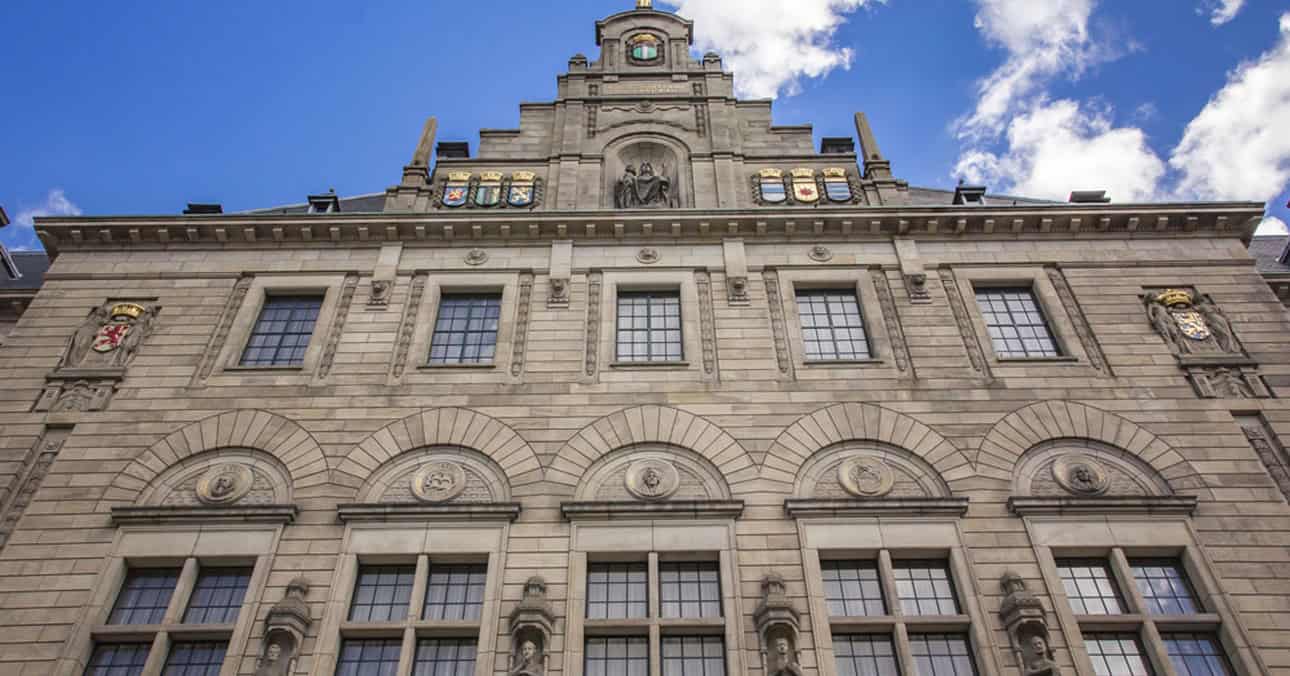
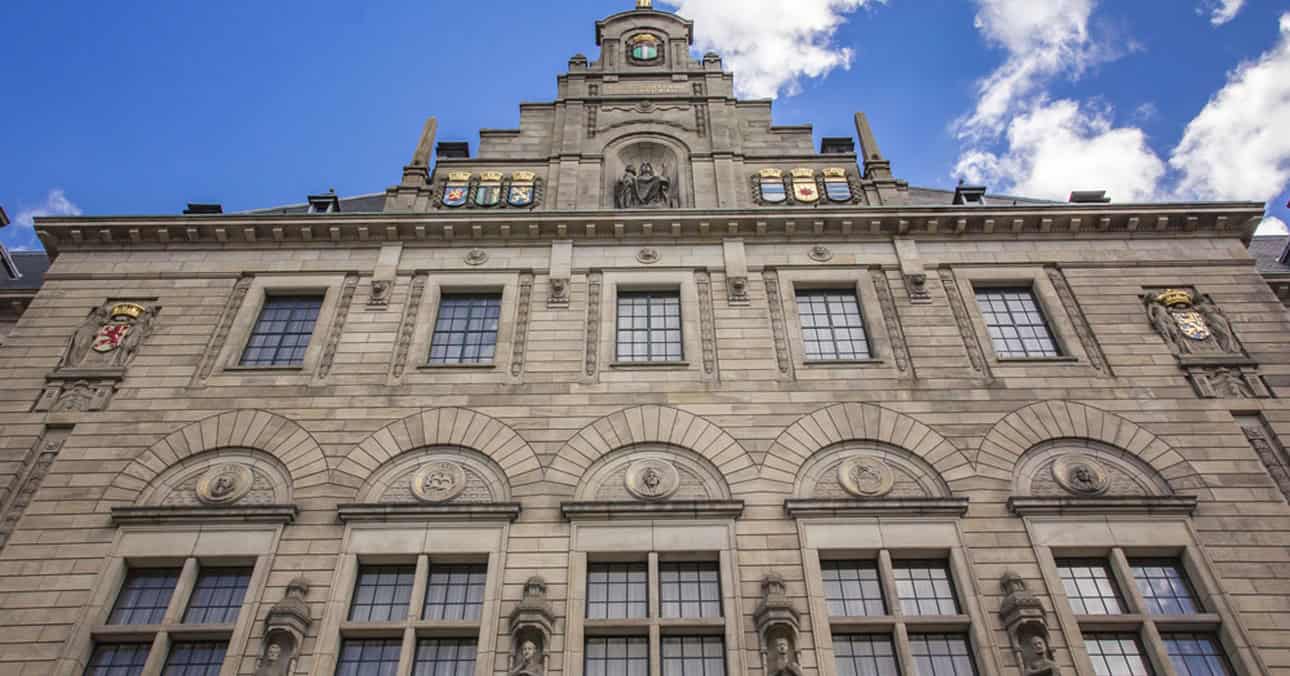
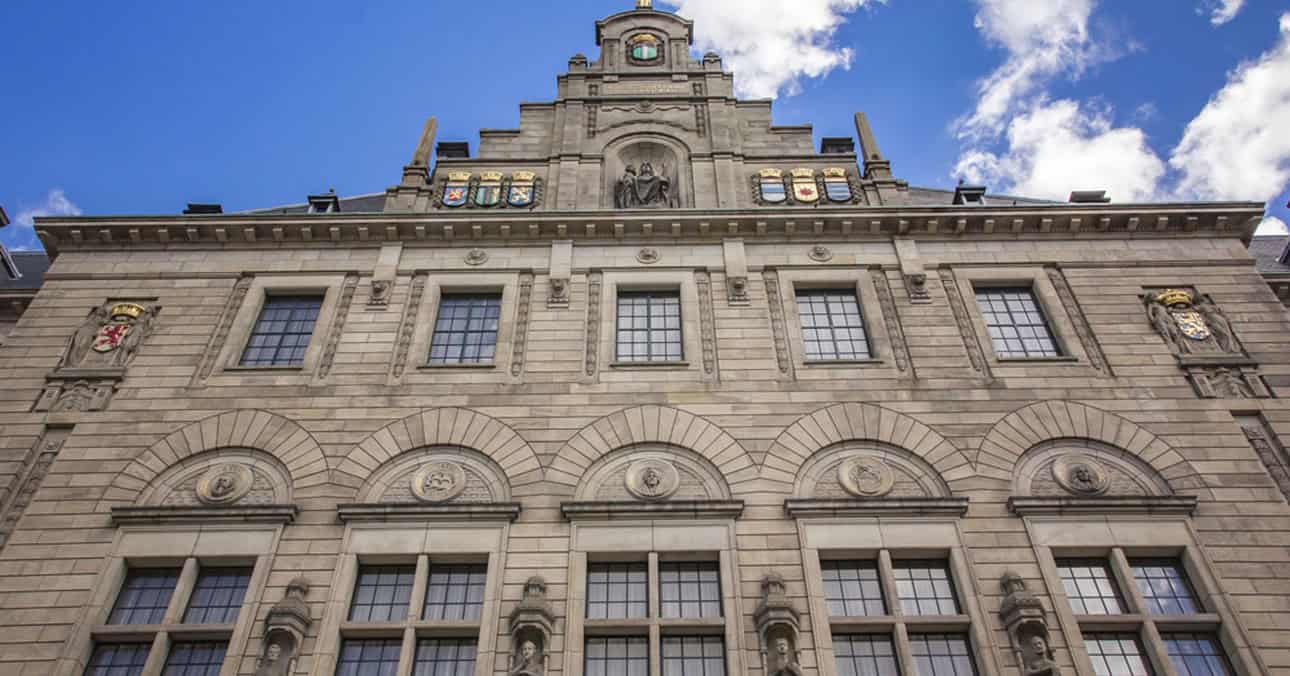
Image: Rotterdam housing associations, tenants’ organisations and the municipality are working together on good-quality living in affordable rental homes. Photography: Rhalda Jansen
Rotterdam’s housing associations will start construction on thousands of rental homes over the next two years, with the city and the associations aiming to deliver more than 4,000 social rental homes in 2026-2027. Many of the new homes are intended for groups such as students, young people, and older residents.
At the same time, the agreements set out work to make existing rental homes more sustainable and energy-efficient, alongside joint investment by the municipality, housing associations and tenants in the liveability of neighbourhoods. There are also agreements on rent increases, which means most middle-income households living in social housing are set to receive a lower rent increase than the maximum possible.
How will Rotterdam add 4,000 social rental homes in 2026-2027?
The plans are part of performance agreements (prestatieafspraken) for 2026 and 2027, signed on Wednesday evening by Rotterdam’s housing associations, tenants’ organisations and the municipality. The agreements describe how the parties will work together on better and more sustainable rental homes, as well as more liveable neighbourhoods across Rotterdam.
“The housing shortage is severe. With these agreements, housing associations, tenants’ organisations and the municipality are working together on more affordable rental homes and better homes for Rotterdam residents,” said alderman Chantal Zeegers (Climate, Building and Housing).
What will change for Rotterdam tenants on rent and liveability?
Marieke Kolsteeg, chair of housing association Hef Wonen, highlighted the role of tenants’ organisations in shaping the package: “The representatives of residents are equal partners in this process. Their input as people with lived experience, from the tenants’ perspective, is crucial. The tenants’ organisations also considered the interests of people searching for a home, for example in the agreements on encouraging moves within the housing market and income-based rent increases. Thanks in part to them, we have made strong agreements on intensifying our cooperation in the coming years. We are looking forward to that.”
The Gemeenschappelijk Overleg Huurdersorganisaties (GOH) said it is satisfied that points that used to be difficult or off-limits are now part of the agreements. “Four years ago, many of our tenants’ organisations did not sign the agreements, two years ago we signed with many reservations, and now we are signing very satisfied. We sat at the table as an equal party and were taken seriously, in an intensive process of give and take,” said Laurie Hermanns on behalf of GOH.
Do you run a business? RotterdamStyle is looking for a main sponsor. Get exclusive visibility across our website for a fixed fee. Interested? Contact us 🤝
How will Rotterdam cut energy labels E, F and G in social housing?
The agreements prioritise improving insulation quality and energy efficiency, focusing on the weakest energy labels: E, F and G. Over 2026-2027, the number of homes with an E, F or G label should fall by more than 3,000.
“We are reducing the number of homes with a poor energy label from 7,200 to 4,200. That directly helps tenants with comfort and energy costs,” said alderman Zeegers. The longer-term goal remains making all social rental homes in Rotterdam gas-free by 2050, with the heat transition kept affordable for both housing associations and tenants.
What funding will target damp, mould and safer homes in Rotterdam?
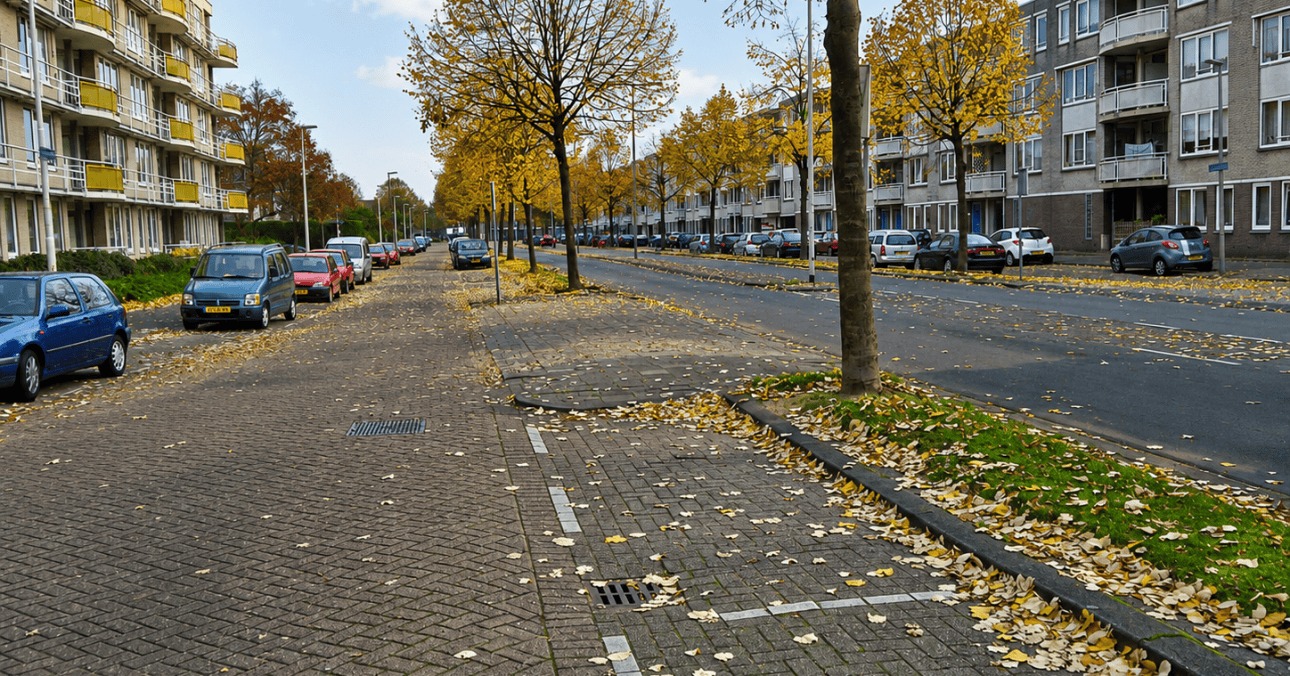
Beyond energy upgrades, the package includes nearly €70 million in investment to address damp, mould, lead pipes, asbestos and fire safety in social rental homes. On liveability, Rotterdam’s housing associations plan to spend at least €35 million in 2026-2027, supporting cleaner and safer streets and helping create more opportunities for neighbours to meet, while working with the municipality to tackle housing-related nuisance.
The parties also plan to organise theme evenings several times a year on issues that matter across the city, including neighbourhood liveability, with tenants’ practical experiences feeding into policy and plans.
Why does 2026 matter for Rotterdam social housing?
In 2026, social housing in the Netherlands marks its 125th anniversary, and Rotterdam is using that moment to underline long-standing cooperation between the municipality, housing associations and tenant representatives. “Let the new performance agreements be a sign of the strength of Rotterdam’s social housing,” said alderman Zeegers.
For the official page on the agreements, visit: www.rotterdam.nl/prestatieafspraken-woningcorporaties