
FROM 26 MAR–14 JUN 2026 | Brutus Art Space is presenting AUTONOMOUS from 26 March to 14 June 2026, as both an exhibition and a public festival. The show links neurodiversity to activism, while looking at how a computer-driven society shapes what you see, feel, and do.
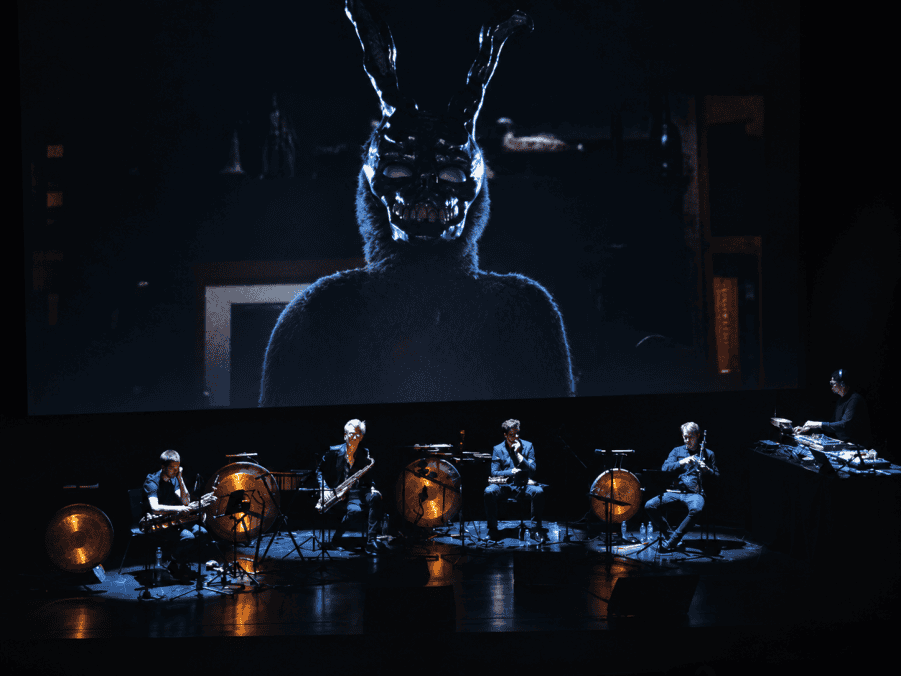
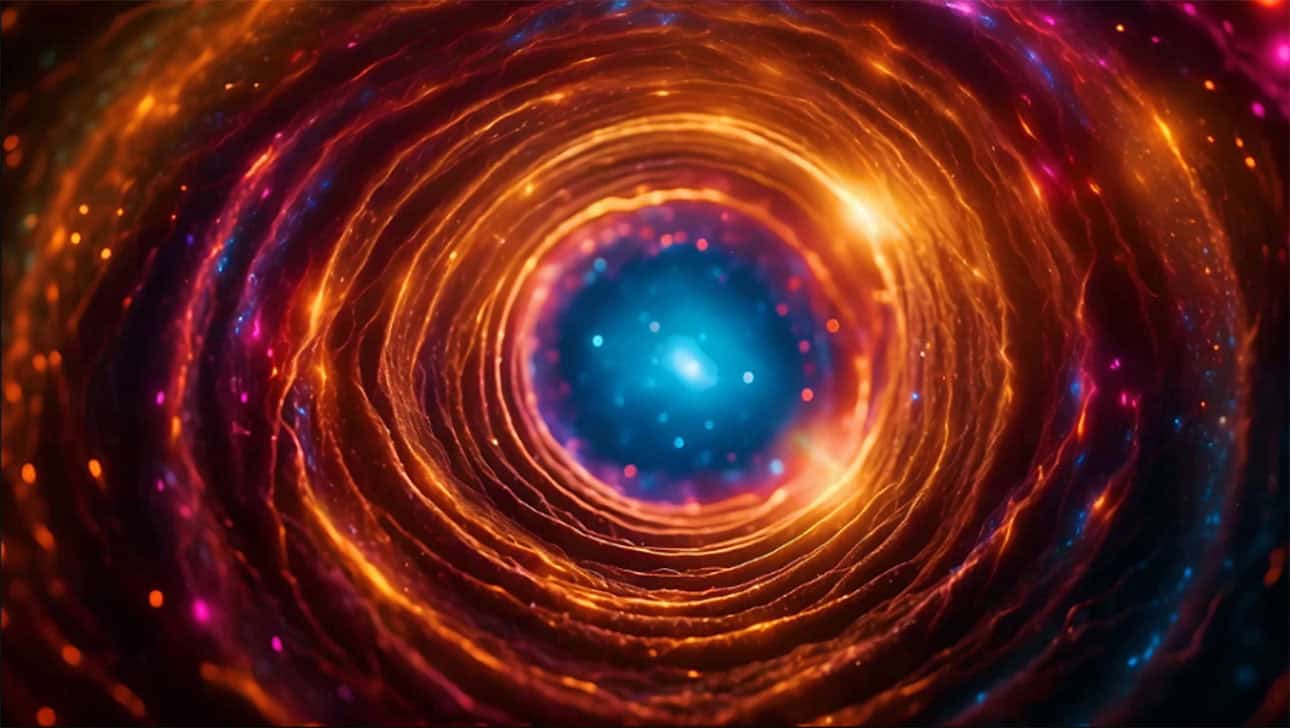
Image: Andrea Khôra, Rapture, still from video installation, 2025
What AUTONOMOUS is
AUTONOMOUS is described as a “psychedelic journey”, but it is not limited to the idea of altered states through substances. The exhibition also points to the darker sides of society, including violence, oppression, and conspiracy thinking, as experiences that can feel hallucinatory and narrowing. The exhibition frames neurodiversity as a source of activist potential, with “thinking differently” presented as a form of liberation.
You move through three chapters: Cognitive Capitalism, Y’all got ADHD, and Psychedelic Pathways, with large installations, immersive video, contemplative works, and interactive experiences along the way.
Cognitive capitalism
The first chapter, Cognitive Capitalism, centres on a hyper-capitalist system driven by computers, where people become both producers, consumers, and raw material. It describes personal data being processed into building blocks for algorithms that operate with growing independence.
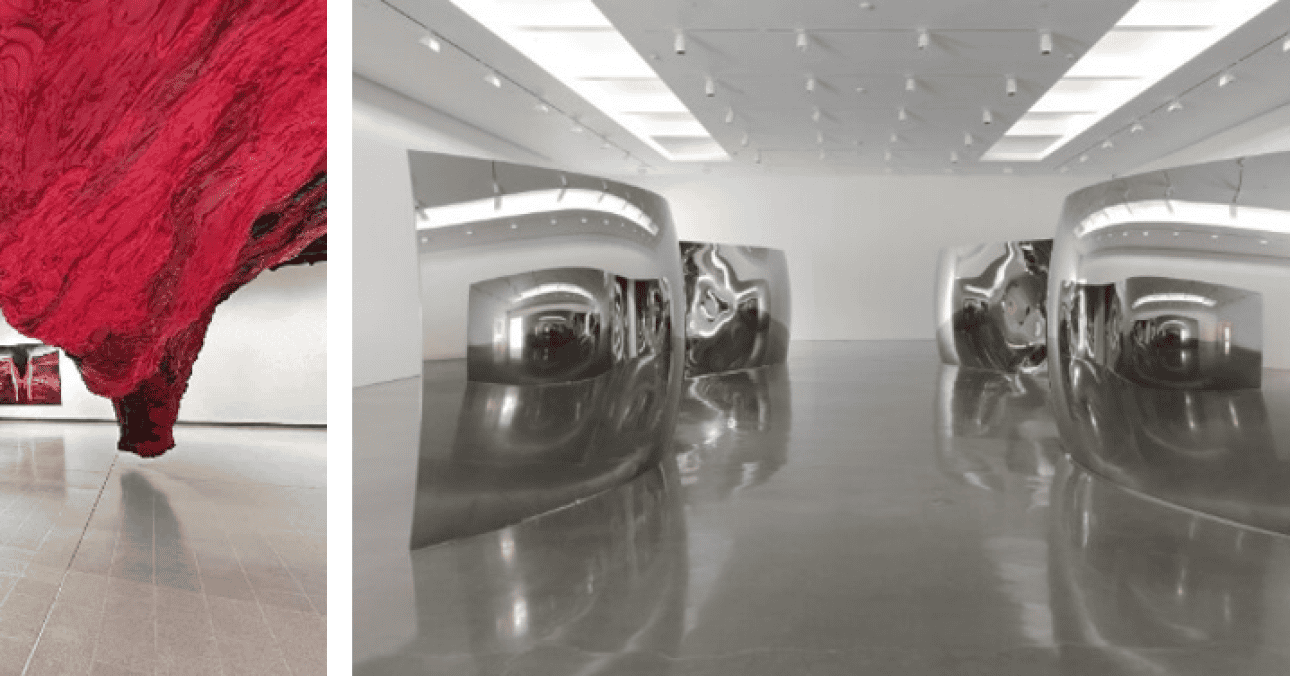
A suspended neon sculpture by artist and neuroscientist Warren Neidich is positioned as a wake-up call, making that technological immersion visible again, precisely because it can start to feel normal.
Alongside Neidich, large installations by Stefan Panhans and Andrea Winkler, as well as Oscar Peters, are presented as part of this opening chapter, pointing to a darker, increasingly present “shadow reality” around technology and society.
The through-line is the idea that tools we built to serve us can start shaping us back, including how attention and behaviour are guided.
Do you run a business? RotterdamStyle is looking for a main sponsor. Get exclusive visibility across our website for a fixed fee. Interested? Contact us 🤝
Avatars, self-diagnosis, and focus rituals
The second chapter takes its title from Ieva Valule’s work Y’all got ADHD. With a new ADHD self-diagnosis and help from an AI assistant called Freudly AI, Valule follows the world of her avatar, InfoHuntress, in an installation that leans into absurdity as well as self-scrutiny.
An installation by duo Shy-Play is described as a calming “rite of passage” that creates a level playing field for neurodiverse and neurotypical visitors, before works and presentations by artists including Floris Schönfeld, Shertise Solano, Levenslust Academie/Pluspunt artists, Jennifer Kanary, and Antye Guenther.
School of Lovers brings love and intimacy
One highlighted work in this section is School of Lovers (2025), created by artist and somatic sex coach melanie bonajo in collaboration with HORA theatre. It is presented as a sensitive reflection on love and intimacy, made with people with and without disabilities in mind.
This chapter is positioned as a space where different bodies and different ways of processing the world are not treated as a footnote, but as the starting point.
Do you run a business? RotterdamStyle is looking for a main sponsor. Get exclusive visibility across our website for a fixed fee. Interested? Contact us 🤝
Psychedelic Pathways at Brutus Rotterdam invites sensory works and critiques the business of psychedelics
The final chapter, Psychedelic Pathways, frames “psychedelic” as more than substance use, pointing out that violence, oppression, and conspiratorial thinking can also feel hallucinatory and narrowing. The works here aim to stimulate the senses in unusual ways, with references to holistic diagrams, vibrating sound bowls, tarot cards, and immersive installations.
It also draws a connection between AI-generated imagery and altered perception, presenting them as moving closer together in visual language and effect.
Andrea Khôra’s Rapture questions a marketable ‘psychedelic revolution’
Suzanne Treister is presented as setting the tone for alternative worldviews, followed by contributions from artists including Natasha Tontey, Jan Koen Lomans, Charles Stankievech, Antoine Moulinard, Inès Sieulle, and Pedro Matias. Andrea Khôra’s video artwork Rapture is described as a clear critical note on how a “second psychedelic revolution” is marketed and turned into a business model.
The chapter’s wider argument is blunt: when big finance, big pharma, and big tech merge into a single force, celebrating neurodiversity can become a form of resistance.
Do you run a business? RotterdamStyle is looking for a main sponsor. Get exclusive visibility across our website for a fixed fee. Interested? Contact us 🤝
Ine Gevers curates AUTONOMOUS at Brutus Rotterdam with research into neurodiversity and tech
Curator Ine Gevers returns to Brutus after Fake Me Hard (2021). She has worked for more than 25 years at the intersection of art, technology, and society, and the research behind AUTONOMOUS was supported by the Mondriaan Fund (Mondriaan Fonds).
The exhibition is rooted in themes including cognitive capitalism, neurodiversity, and psychedelics, with a stated aim of addressing marginalised groups, mixing audiences, and using art to drive social awareness and change.
Rotterdam Art Week 2026
The opening takes place on 25 March, during Rotterdam Art Week. The education and public programme also begins with debate around the exhibition title, ranging from art discourse, to Marx-inspired activism, to the way the term is embraced by people who identify as neurodivergent.
Programme elements named include performances by Hipsick, Dyane Donck (O-festival), Holistic Tech Salon, and students from TU Delft’s Emergence.
When you can visit AUTONOMOUS
AUTONOMOUS runs from 26 March to 14 June 2026 at Brutus Art Space. Brutus is open Thursday to Sunday, 12:00 to 18:00.
Brutus describes its venue as a large, raw, industrial complex with characterful spaces rather than a traditional “white cube”. Their website is the place to check for the latest updates and changes to the event: https://brutus.nl/en
Do you run a business? RotterdamStyle is looking for a main sponsor. Get exclusive visibility across our website for a fixed fee. Interested? Contact us 🤝
How to get there
Brutus Art Space is in Rotterdam West on the Keileweg. If you are coming by bike from the centre, the route towards the Keilehaven area is a straightforward ride, and the former harbour complex feel becomes obvious as you get close. If you are using public transport, aim for Rotterdam West and plan a short final leg on foot or by bike-share once you are in the area.
p.s. If you are driving, you will want to factor in that this is an industrial zone, so the last few minutes can feel more “working harbour” than “museum district”. Once you spot the large-scale buildings and open yard-like spaces, you are in the right place.