
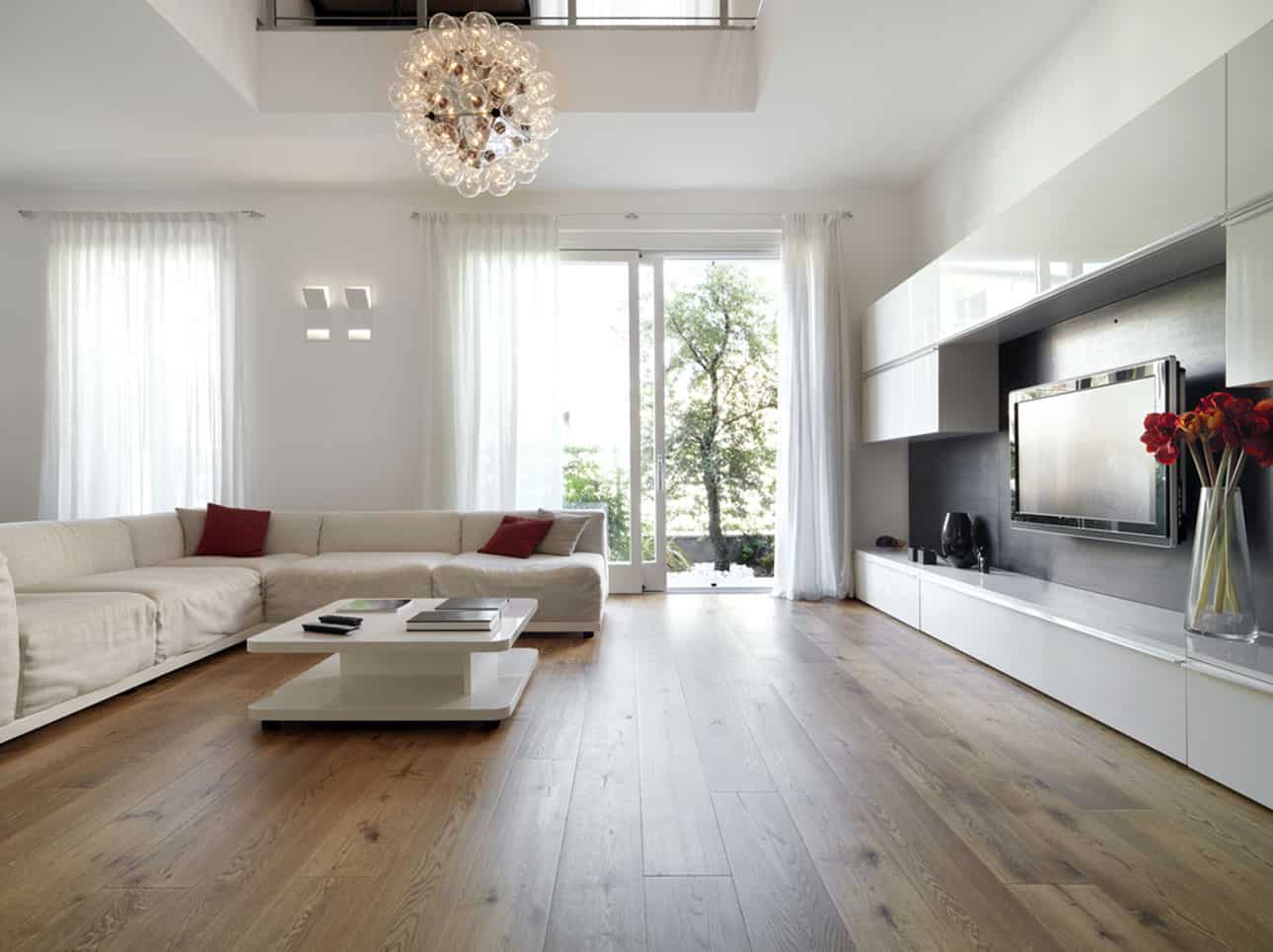
Thinking about renting a house or apartment in Rotterdam? Whether you are planning a long stay or a shorter assignment, and whether you want a furnished or unfurnished place, understanding how the local rental market works will save you time, money and stress.
Renting a home in Rotterdam can feel like speed dating with paperwork. Listings appear, viewings fill up, and the better-priced places can vanish before you have even found your Dutch bank app. Still, if you know how the market works and what your rights are, you can save yourself time, money, and a lot of stress.
This guide walks you through what the Rotterdam rental market looks like right now, where people actually search, which documents you will need, and how to protect yourself from dodgy fees and landlords.
The rental market in Rotterdam
Renting in Rotterdam is hard right now. The whole Dutch rental market is tight, and Rotterdam follows the same trend. In Q4 2025, the average rent for a new free-sector home in the Netherlands was €1,838 per month. Many landlords ask for an income of three times the rent, so that would mean about €5,515 gross per month for this average rent level.
Homes also get rented quickly. In Q4 2025, a free-sector listing in the Netherlands was online for about 18 days on average. Listings got around 31 reactions on average, which shows there is a lot of competition.
There is also pressure on supply. In Q4 2025, 14,698 free-sector rentals were published, and 15,188 were delisted. That means more homes disappeared than came online.
In Rotterdam, rents are high too. In Q4 2025, the average free-sector rent was €22.35 per square metre. That was an increase of 11.2% compared to a year earlier.
The strongest competition is in the lower price ranges. Homes between €1,185 and €1,500 got the most attention. This group had a bit over a quarter of the listings, but it received more than 40% of all reactions. Homes between €1,500 and €2,000 also had strong demand. Homes above €2,000 were a large part of the supply, but they got fewer reactions.
The takeaway: expect a tight market and fast decisions. Be ready to act quickly, especially if you want a home in the €1,185 to €2,000 range.
How renting in Rotterdam works
Most people in Rotterdam find a home through:
- Estate agents (makelaars) and rental platforms for private sector homes.
- WoonnetRijnmond for social housing and some mid-market rentals.
- Specialised student housing providers.
You can of course still stumble across a “Te huur” sign on a window, but most professional landlords and housing corporations list their properties online.
Major rental platforms and agencies
Two portals dominate mainstream listings:
- Funda
- Pararius (especially popular with expats and often easier to use in English)
You will also see a long tail of platforms and agencies offering everything from rooms to furnished short-stay apartments. In Rotterdam, common names include Huure, Interhouse, HousingAnywhere, Rotterdam Apartments, RentSlam and Maashave.
Many agencies allow you to set up alerts so that you receive an email as soon as a suitable listing goes online. Given how quickly properties move, this is more or less essential.
Social housing and long-term options: WoonnetRijnmond
If your move to Rotterdam is long term and your income fits within social or regulated rent limits, WoonnetRijnmond is the main gateway to more affordable housing.
- All housing associations in Rotterdam and the surrounding region advertise their homes through WoonnetRijnmond, which covers neighbouring municipalities such as Schiedam, Barendrecht and Spijkenisse.
- WoonnetRijnmond is a collaboration of roughly 24 housing corporations in the region.
- Registration is not free: at the time of writing you pay a one-off fee of €15 plus €10 per year to keep your registration active.
Waiting times are long, often many years. The system works on registration time, so the longer you are registered, the better your chances. Think of WoonnetRijnmond as a long-term strategy: it may not secure your first apartment in the city, but it might deliver your second or third home.
Some listings on WoonnetRijnmond are marked as Rotterdamwet homes. These are dwellings in neighbourhoods that fall under the Wet bijzondere maatregelen grootstedelijke problematiek, widely known as the Rotterdamwet. For these homes the municipality can set additional conditions, such as a minimum income from work, and can give priority to certain target groups. Always read the conditions on the listing carefully before you apply.
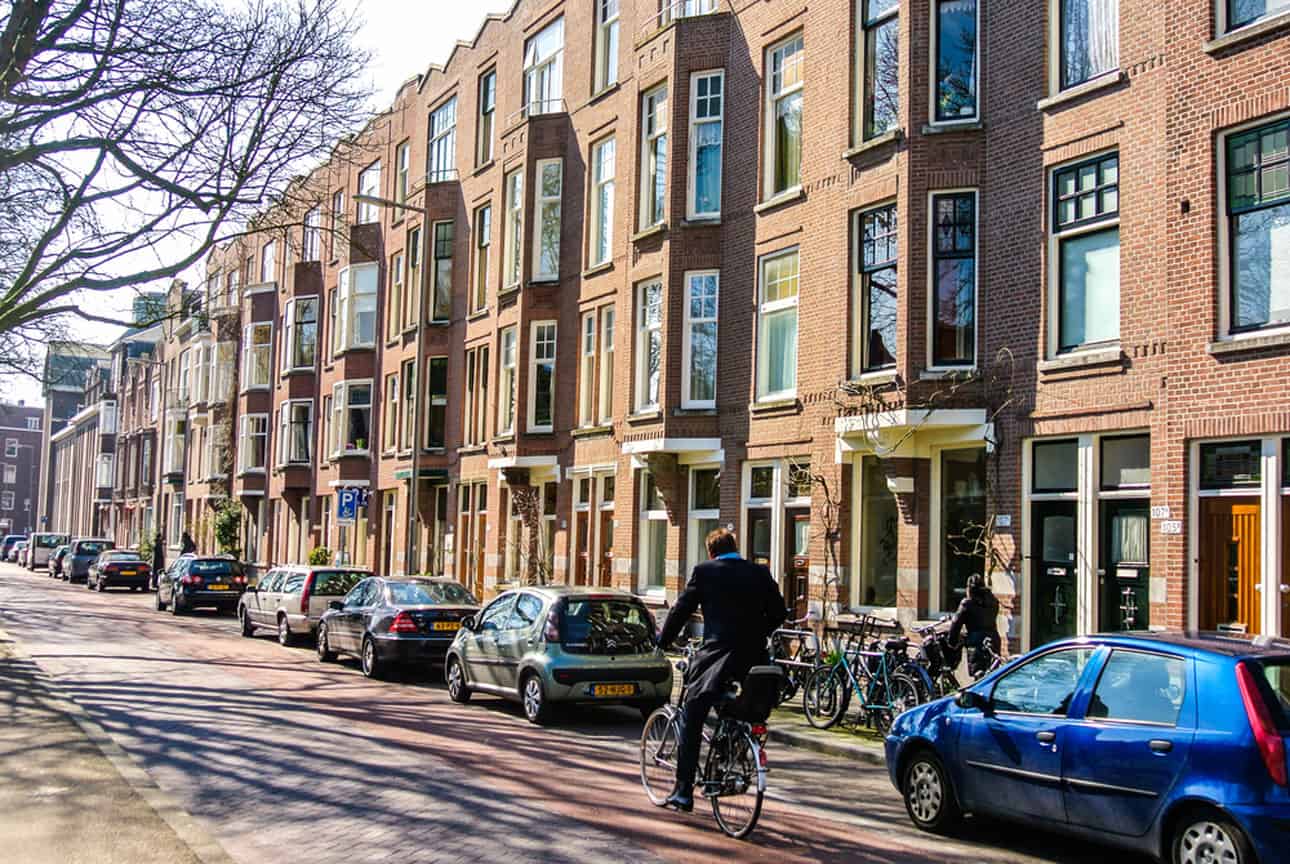 How to rent a home in Rotterdam - room, apartment, house
Contracts and your rights as a tenant
Dutch rental law has shifted in favour of tenants in recent years. That does not magically create more homes, but it does give you more protection once you find one.
Indefinite contracts are the default again
Since 1 July 2024, permanent contracts are the norm. Temporary contracts are only allowed in specific legal situations, such as certain target groups, and they must follow strict rules.
If you are offered a temporary contract, ask why it is temporary and which legal exception is being used. A legitimate landlord or agent should be able to explain this clearly.
The Affordable Rent Act (Wet betaalbare huur) affects what you can be charged
Since 1 July 2024, the Affordable Rent Act has expanded rent regulation into the mid-market by using the WWS points system (the home’s quality score). From 1 January 2025, municipalities can also intervene when landlords charge too much for homes that should fall under regulated or mid-market rules.
In plain terms: in more cases than before, a home’s quality should cap the legal starting rent. If you suspect the rent is out of line with the points, you may be able to challenge it.
Deposits and agency fees
Deposits and fees are where many renters get stung, especially when they are new to the Netherlands and desperate to secure a place.
Key rules:
- For contracts from 1 July 2023, a residential deposit (borg) cannot be higher than two months of basic rent.
- At the end of the tenancy, the deposit must be returned within 14 days if there are no deductions, or within 30 days if the landlord deducts proven costs.
- If a letting agent is working for the landlord, they should not charge you bemiddelingskosten (commission) for the same home. Watch out for rebranded fees described as “administration” or “contract costs”.
If something feels off, keep everything in writing and get advice early. You can also report unwanted landlord behaviour to the municipality.
Furnished, unfurnished or bare?
Dutch rentals use three broad categories that can be confusing at first:
- Kaal / bare: no flooring, no curtains, often no light fittings. You supply almost everything.
- Gestoffeerd / upholstered: flooring, curtains and basic light fittings are included, but no furniture.
- Gemeubileerd / furnished: fully furnished, ready to move in.
When you search, always use the filters to specify what you are looking for. Many Dutch tenants take their floors and fixtures with them when they move, so do not assume that an “unfurnished” flat includes anything more than white walls and a kitchen.
Short-stay apartments
If you are in Rotterdam for a short assignment, a short-stay or serviced apartment can be a practical option. These homes:
- Are typically fully furnished, often including kitchenware and linen.
- Are priced per month or per day, depending on whether they are run more like serviced apartments or like hotels.
- Usually include utilities and internet in the rent.
They are more expensive than long-term tenancies but can be attractive if your employer pays the bill or if you need flexibility while you get to know the city. Platforms such as HousingAnywhere, Rotterdam Apartments and specialist operators list short-stay options.
Beware of slumlords and scams
In a tight market, vulnerable renters are an easy target.
The Dutch term huisjesmelker refers to landlords who “milk” their properties: charging very high rents for poor-quality housing, splitting homes illegally into multiple small rooms, or neglecting maintenance. Student-heavy neighbourhoods in Rotterdam have seen their share of such practices.
Red flags include:
- Being asked to pay cash deposits or rent without a contract.
- Pressure to decide immediately without a proper viewing.
- Being told to transfer deposits to private foreign bank accounts.
- Ads that look too good to be true: very low rent for a large, central apartment.
Erasmus Magazine has a detailed guide, “How to avoid being scammed”, which is still a useful reference for international students and staff.
If you run into intimidation, discrimination or dubious fees, you can:
- Report the behaviour to the municipal complaints point for unwanted landlord behaviour in Rotterdam.
- Use the national Wet goed verhuurderschap complaint channels.
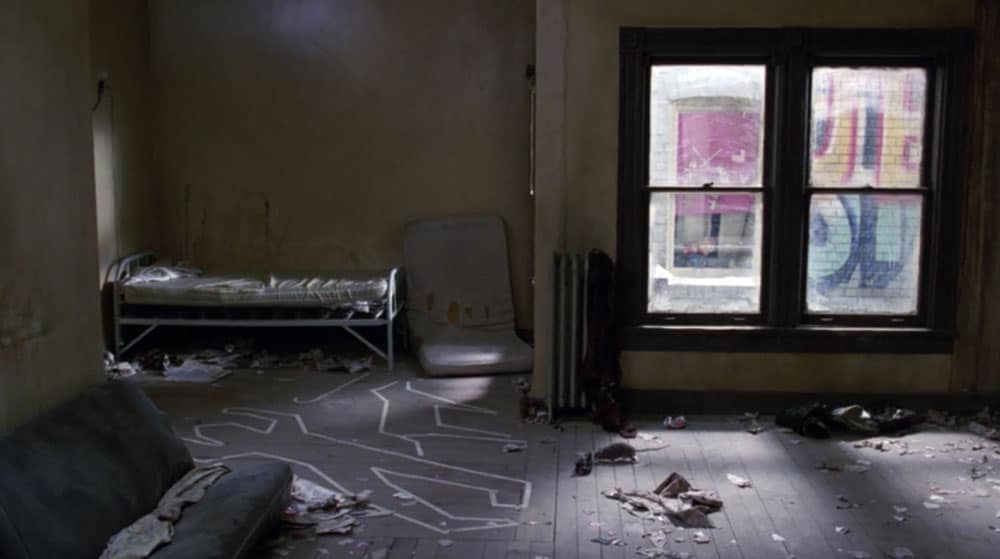 Beware of slum landlords / huisjesmelkers
What you need to be eligible to rent a home in Rotterdam
Landlords and agencies will usually ask for:
- A copy of your passport or EU ID card.
- Proof of income, such as an employment contract, recent payslips or a statement from your accountant if you are self-employed.
- Sometimes an employer’s statement confirming your job and salary.
- A Dutch or EU bank account is helpful but not always strictly required; discuss this in advance if you are moving from outside the EU.
For rooms in shared apartments the checks may be lighter, but having documents ready speeds up the process and helps you stand out as a serious candidate.
Rental allowance (huurtoeslag) in Rotterdam
Depending on your income, rent level and assets, you may qualify for huurtoeslag, a monthly benefit that helps with rent.
Key points:
- You must be 18 or older.
- You rent independent accommodation with your own front door, kitchen and bathroom; rooms in shared houses usually do not qualify.
- Your rent, income and savings must be below the annual limits.
- If you are not an EU/EEA or Swiss citizen, you need a valid residence permit.
In 2026, the rules changed in important ways. The safest approach is to use the official calculator and conditions on the Dutch tax authorities site, because the thresholds depend on your household situation and change over time.
 Getting that home in Rotterdam
Getting that apartment in Rotterdam!
Rotterdam has a lot of apartment buildings. If you find a building you like while searching the various home rental platforms, check if you can sign up for notifications. This way, you'd be among the first to know when an apartment becomes available.
When an apartment does become available, let the landlord or agency know as soon as possible. The housing market is a very fast business, places can go very fast. If you email them it might be too late. Therefore, it is best to call the landlord or real estate agency by telephone right away. They will quickly arrange a viewing for you (and others). Sometimes, you might need to make a decision on the spot, so make sure you have all your papers and finances in order if you're really serious about getting that apartment.
After a smooth handover of the documents and paying the required deposit, they'll set a date for you to move in. After this the keys are yours!
Housing permit areas in Rotterdam (huisvestingsvergunning or HVV)
Here is the Rotterdam twist that catches newcomers out. In a small number of specific streets, you may need a huisvestingsvergunning (HVV) to rent a home and register your address.
This is not a citywide rule, and it is not always by neighbourhood. It can be street by street, so you should check before you sign anything. The municipality publishes an official list of streets where an HVV is required, including parts of Rotterdam South such as Dordtselaan, Pleinweg and Mijnsherenlaan.
How it works
- If your new address needs an HVV, you can usually apply while you report your move to the municipality online, using DigiD.
- The municipality says reporting your move and applying for the permit is free.
Our advice: make the HVV check part of your viewing routine. Before you fall in love with a place, confirm the street is not on the list, or be ready to apply immediately after you sign.
How to find a room, apartment or house in Rotterdam
Here is a summary of the main websites to check when looking for a room, apartment or house in Rotterdam.
General rental platforms
- Funda: the best-known property portal in the Netherlands; strong on both sales and rentals, including many mid- to high-end homes in Rotterdam.
- Pararius: wide range of free-sector rentals, clear search filters and a full English interface. Especially useful for expats and higher-end rentals.
- Huure: English-friendly platform with many rooms, studios and apartments in Rotterdam and surrounding cities.
- Interhouse, HousingAnywhere, Rotterdam Apartments, RentSlam and Maashave: agency sites and aggregators that cover furnished, unfurnished and short-stay homes in different price ranges.
Social and regulated homes
- WoonnetRijnmond: essential for social housing and some mid-market rentals in Rotterdam and the wider Rijnmond region. Long registration times, but crucial if you plan to stay for years.
Student housing
- Kamernet: large platform for rooms and small studios, popular with Dutch and international students.
- Stadswonen Rotterdam: local student housing provider focusing on students and recent graduates up to around their early thirties. Site available in English.
- XIOR: purpose-built student housing, including units on or near the Erasmus University campus, with English-language information.