
ROTTERDAM, 2 June 2026 – Registrations are now open for Burendag 2026, the national neighbours’ day taking place in the weekend of 26 September. Douwe Egberts and the Oranje Fonds are aiming for 10,000 neighbourhood activities across the Netherlands this year, and Rotterdam streets, squares and courtyards can now sign up to take part.
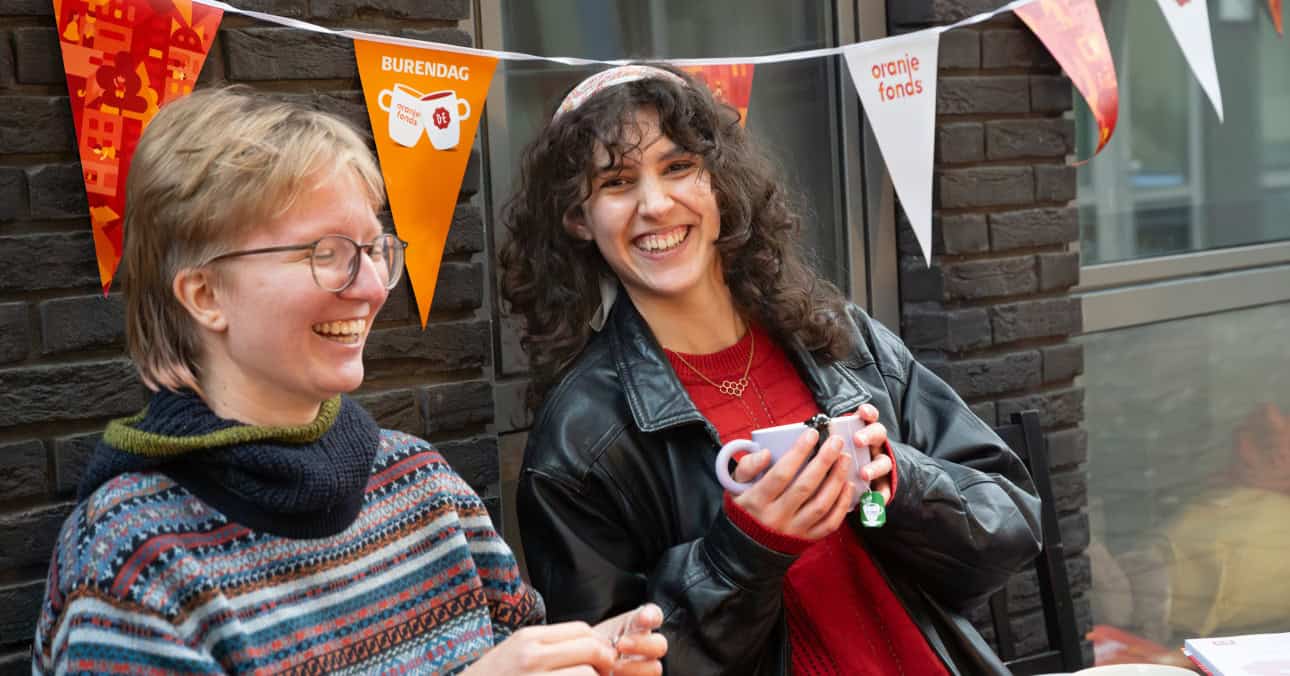
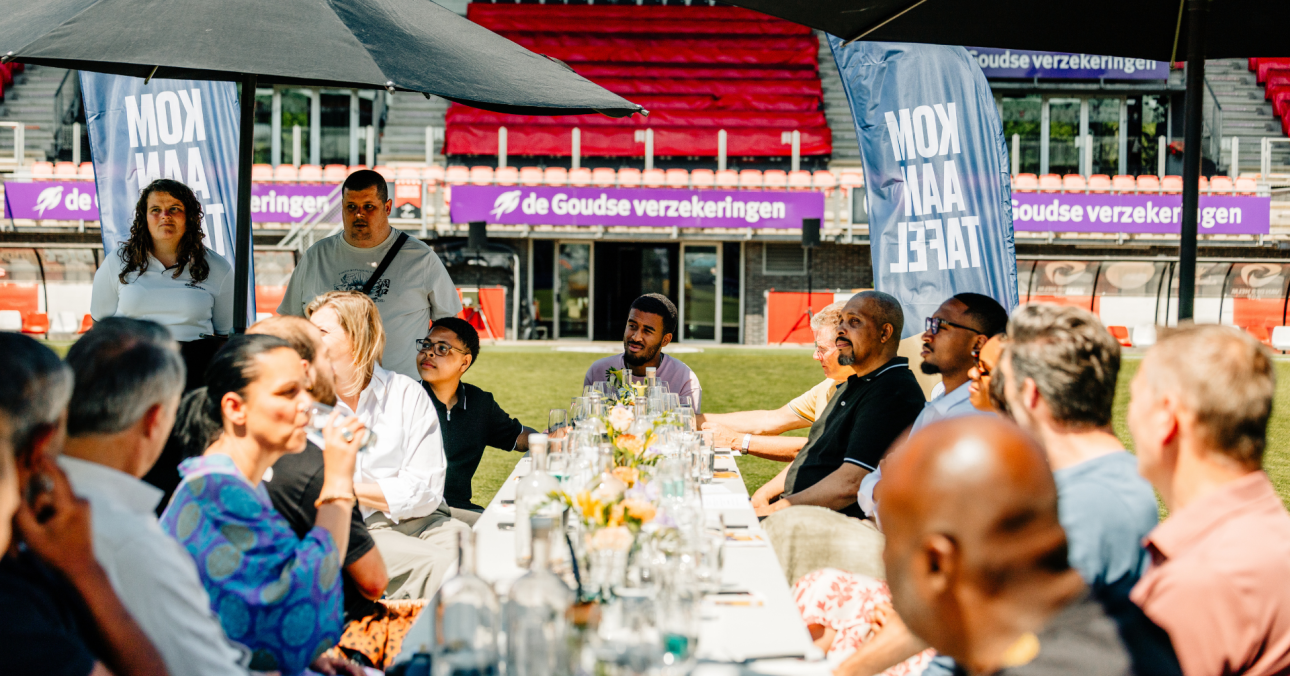
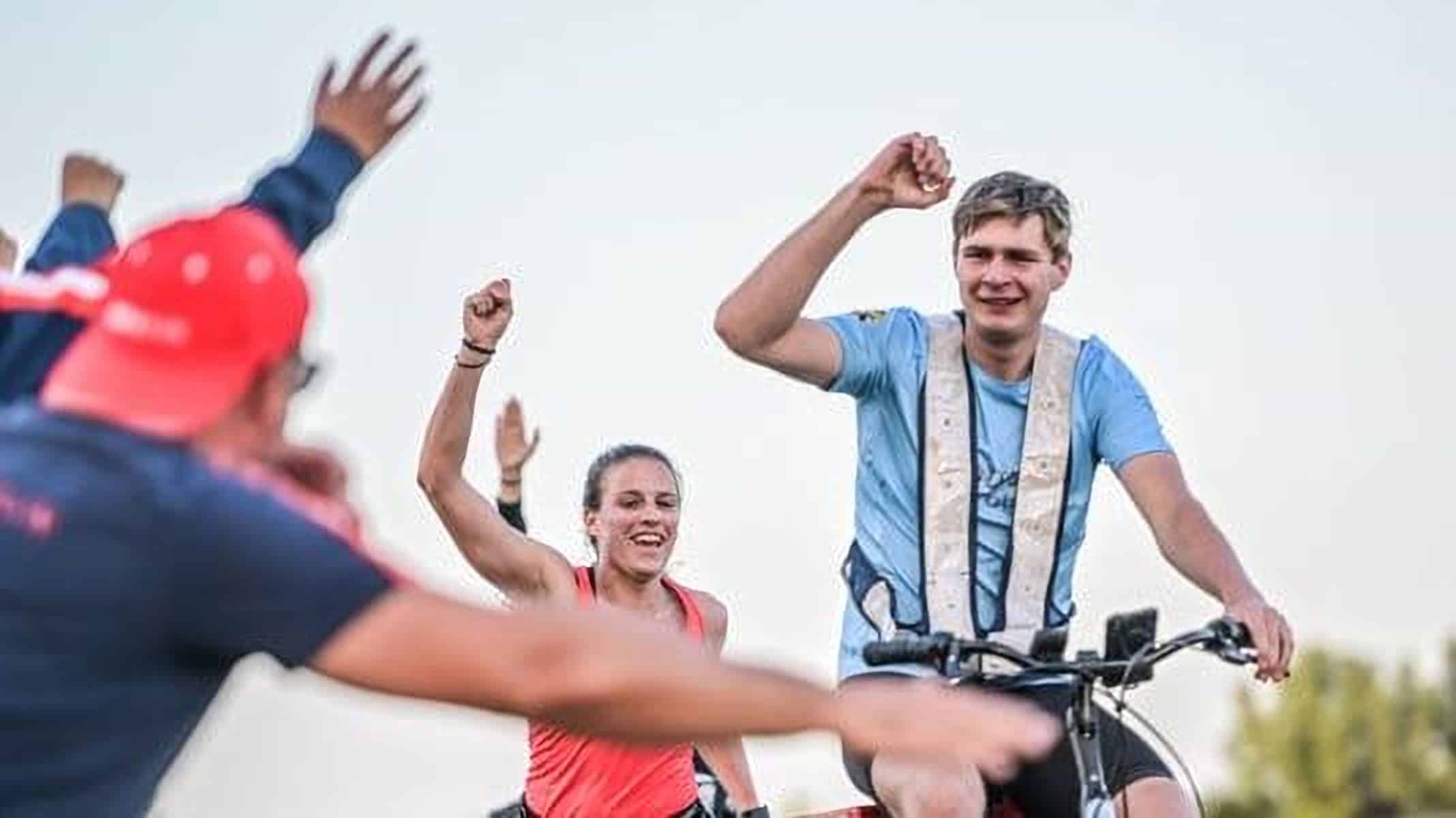
Image: Participants Burendag 2025. Photo: Jeanette Schols
Burendag, or Neighbours’ Day, is built around a simple idea: bring people together close to home. That can mean a coffee table on the pavement, a shared meal, a children’s activity, a clean-up morning or anything else that gives neighbours a reason to meet.
Neighbours can sign up now
This year marks the 21st edition of Burendag. As of June 2nd, neighbours can register their activity via https://www.burendag.nl and apply for a Burendag package with materials to help organise a local gathering.
For Rotterdam, the idea is easy to picture. A few tables outside a flat entrance, a courtyard lunch in Zuid, coffee in a shared garden, a game afternoon in a side street or a neighbourhood barbecue where people finally learn the names behind the familiar faces.
The organisers want to reach 10,000 Burendag activities nationwide for the first time. That target reflects how much attention there is for local connection, especially in a period when people can feel more distant from one another.
Do you run a business? RotterdamStyle is looking for a main sponsor. Get exclusive visibility across our website for a fixed fee. Interested? Contact us 🤝
Local contact matters
The old saying that a good neighbour is better than a distant friend may sound like something from a tile on the wall, but it still has a point. Regular contact between neighbours can increase trust and make people feel safer in their area.
Burendag is meant as a low-threshold way to start that contact. You do not need a grand plan or a perfectly organised festival. The point is to make it easier to say hello, have a conversation and know who lives nearby.
Participants say Burendag helps neighbours speak to each other more easily and ask for help sooner when needed. In a city like Rotterdam, where streets can be lively but people can still live quite separately, that small first step can matter.
Do you run a business? RotterdamStyle is looking for a main sponsor. Get exclusive visibility across our website for a fixed fee. Interested? Contact us 🤝
Package and funding available
Neighbours who register can request a Burendag package via https://www.burendag.nl. The package includes practical and festive materials designed to encourage contact between neighbours, including a neighbourhood game, neighbourhood bingo, pavement chalk, flower seeds and a neighbours’ booklet, along with decoration and coffee.
Groups can also apply to the Oranje Fonds for a contribution of up to €350 to organise a Burendag activity, as long as the budget is available. The website also offers inspiration for activities, from small gatherings to larger neighbourhood plans.
Sandra Jetten, director of the Oranje Fonds, says the day has become a tradition for many neighbours. “We notice that people are increasingly quick to join in and that enthusiasm is high from the start of registrations. At the same time, every year we hope to challenge new neighbours and neighbourhoods to take part.”
Do you run a business? RotterdamStyle is looking for a main sponsor. Get exclusive visibility across our website for a fixed fee. Interested? Contact us 🤝
Coffee remains a favourite
Kathelijne Malcontent of Douwe Egberts Netherlands says bringing people together remains central to the initiative. “Our mission is to bring people together. That is why we are proud that, together with the Oranje Fonds, we have been making this possible for 20 years. We know better than anyone that a cup of coffee connects people; it is therefore no surprise that drinking coffee together has been the most chosen Burendag activity for years.”
Burendag 2026 is open to anyone who wants to organise something in their street, building, courtyard or neighbourhood. It can be small or large, planned by a residents’ group or started by one neighbour who decides it is time to get people around a table.
.jpg "Popronde Rotterdam - date, locations, artists, info")