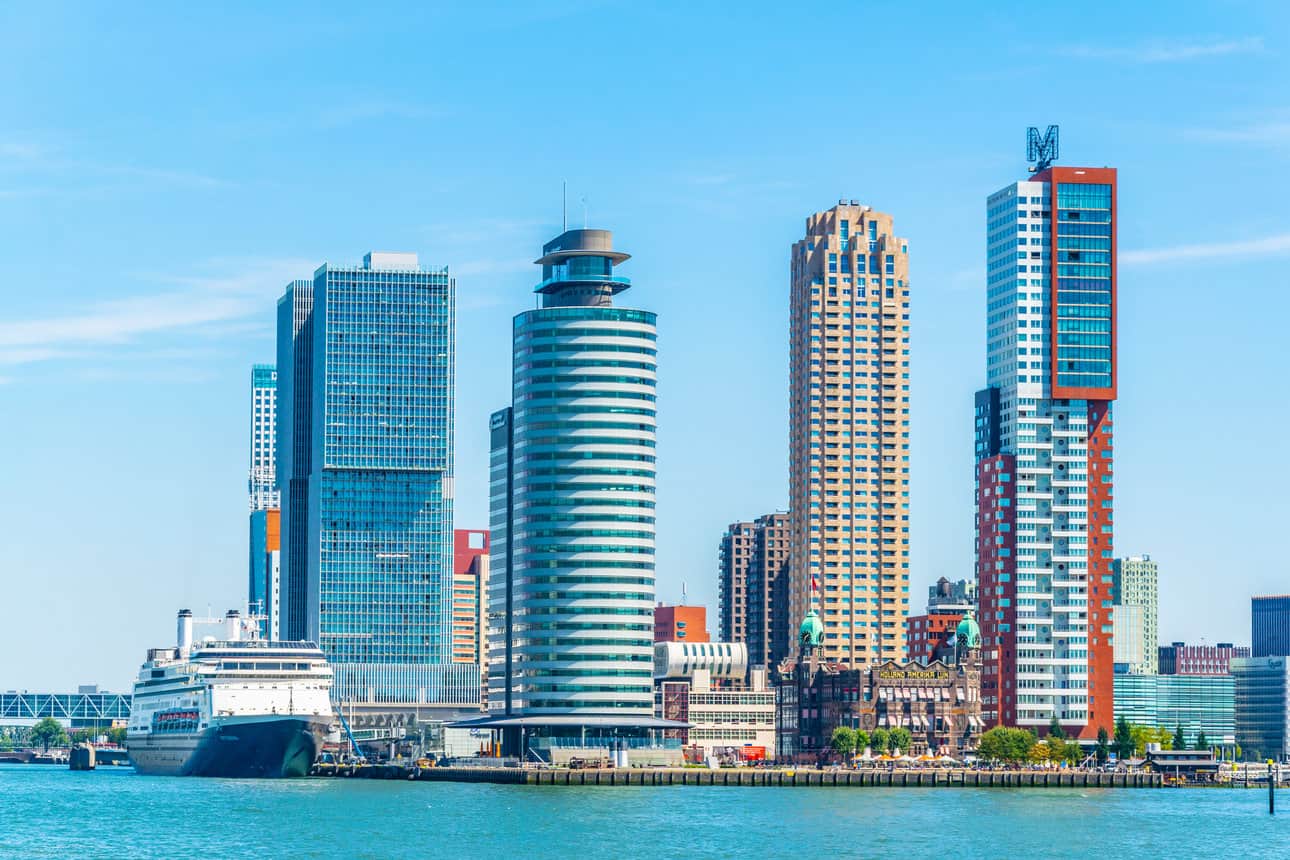


Rotterdam is one of Europe’s most interesting student cities. It is the Netherlands’ second-largest city and home to Europe’s biggest seaport, with more than 50,000 students spread across universities and colleges. It feels international and ambitious, but also straightforward and down to earth. Here are six reasons why Rotterdam works so well for international students.
1. Rotterdam has lots of things to do and see
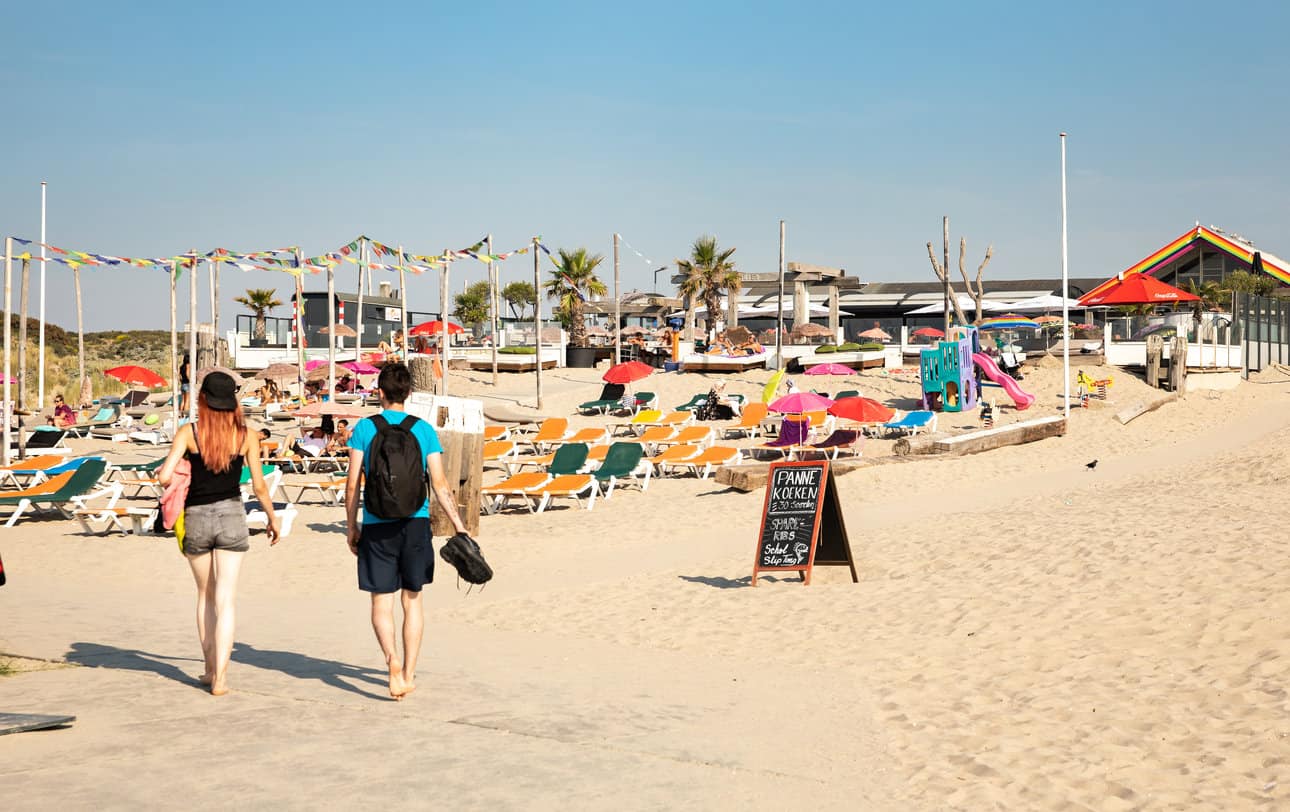
Rotterdam’s centre is big and busy enough that you rarely get bored. Around Lijnbaan, Coolsingel and Binnenwegplein you find the usual mix of high-street brands, independent shops, bars and late-night food spots. If you prefer indoor malls, Alexandrium in the east and Zuidplein in the south offer hundreds of shops under one roof.
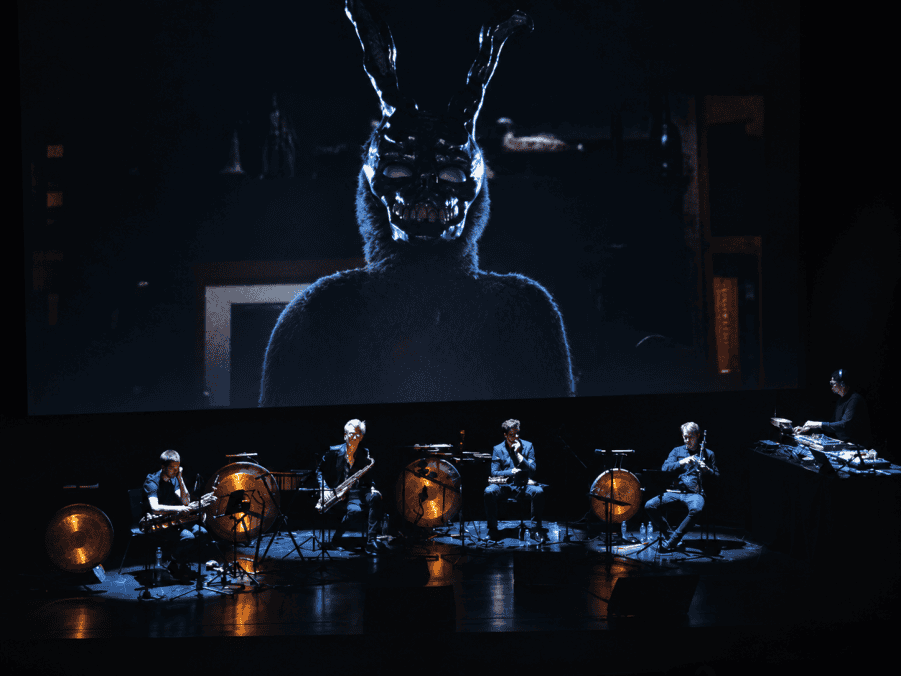
Culturally, the city punches well above its weight. There are major museums, theatres and art spaces scattered across the centre and Kop van Zuid, from contemporary art to design and photography.
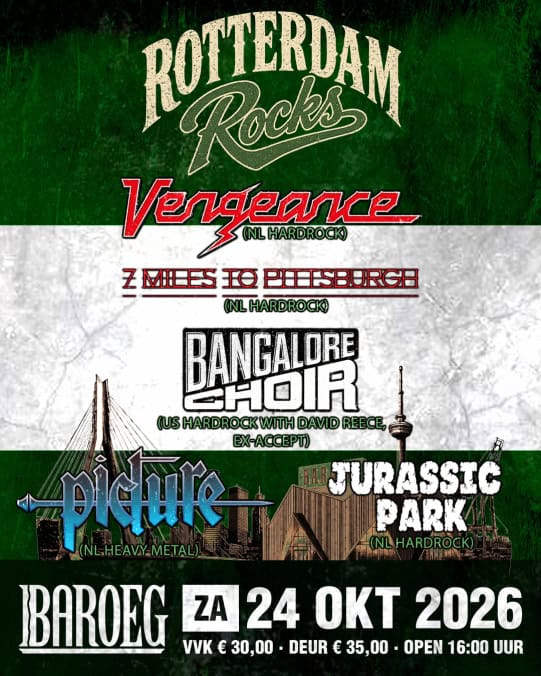
Across the year, Rotterdam hosts a dense calendar of events:
- Rotterdam Unlimited Summer Carnival (Zomercarnaval), one of Europe’s largest Caribbean street parades and recognised as part of the Netherlands’ intangible cultural heritage.
- NN Marathon Rotterdam, a fast city marathon that attracts elite runners and tens of thousands of amateurs every April.
- World Port Days, when the port opens up with ship visits, harbour tours and shows on the water.
- Eendracht Festival, a free showcase festival for emerging Rotterdam artists in and around Eendrachtsplein.
2. In Rotterdam, student jobs are easy to find
Rotterdam has a large service and logistics economy. Hospitality, events, retail, call centres and delivery platforms regularly look for flexible staff, and there are specialist agencies that focus on English-speaking student jobs in the city.
That said, the statement that “student jobs are easy to find” is too simple.
- If you are an EU/EEA student, you can work freely under Dutch labour law, although some employers still prefer basic Dutch for customer-facing roles.
- If you are a non-EU/EEA student, the rules are strict. You may:
- work a maximum of 16 hours per week, or
- work full-time only in June, July and August,
and in both cases your employer must apply for a work permit.
Universities in Rotterdam underline that non-EU students should treat a part-time job as extra income, not as their main funding source.
The upside is that a side job or internship can be a good way to practise Dutch, build a network and explore whether you want to stay in the Netherlands after graduation.
3. Rotterdam’s location keeps Europe close
On a map, Rotterdam sits in the middle of the Randstad region, and on the ground that really shows.
- Amsterdam and Utrecht are reachable in under an hour by train.
- The Hague and Delft are roughly 15 to 30 minutes away.
- Brussels, Antwerp, Düsseldorf and Lille are all within a few hours by rail or car.
Rotterdam has its own international airport, Rotterdam The Hague Airport, in the Zestienhoven district just north of the city. It handles more than two million passengers a year, mainly to European cities and holiday destinations.
The airport connects to Rotterdam Central and The Hague Central via bus 33 and metro line E (RandstadRail), so you can step from campus onto a flight with a single change.
Rotterdam is also tied into the national and international rail network. Intercity trains link the city with the rest of the Netherlands, and high-speed services via nearby stations make London, Paris and Cologne realistic weekend city-trip options.
Travel distances from Rotterdam
- Rotterdam - Delft: 15.8 km
- Rotterdam - The Hague: 26.2 km
- Rotterdam - Utrecht: 61.8 km
- Rotterdam - Amsterdam: 78.8 km
- Rotterdam - Antwerp: 97.8 km
- Rotterdam - Brussels: 143 km
- Rotterdam - Düsseldorf: 224 km
- Rotterdam - Lille: 227 km
- Rotterdam - Dortmund: 253 km
- Rotterdam - Luxembourg: 350 km
- Rotterdam - Frankfurt: 455 km
- Rotterdam - Paris: 458 km
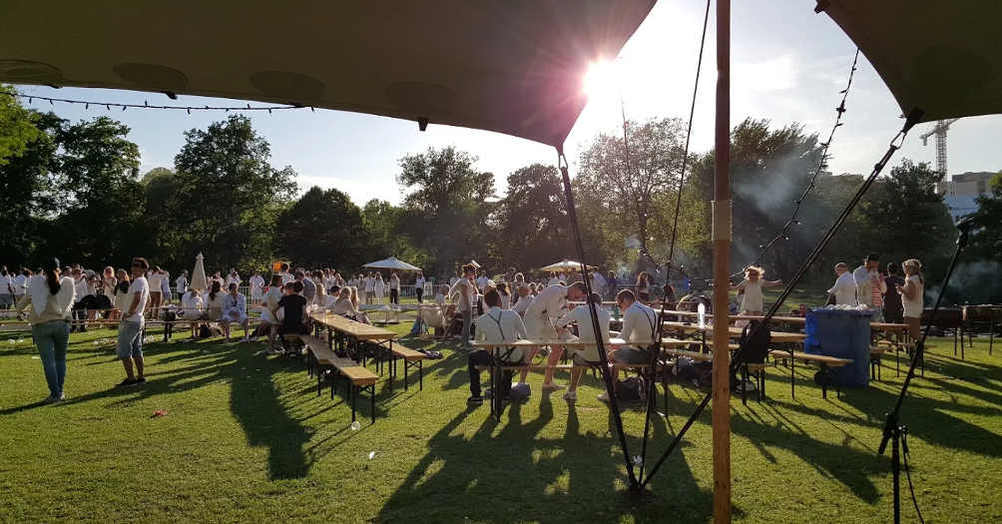 Vroes de Boel @ Euromast park
4. Rotterdam has a vibrant community of students
Rotterdam feels less like a “classic student town” than Groningen or Leiden. The student population is woven into the broader city rather than clustered in a tiny historic centre. That does not mean there are few students. On the contrary:
- More than 50,000 students study in Rotterdam, spread over research universities, universities of applied sciences and art academies.
- Erasmus University Rotterdam alone counts tens of thousands of students and a sizeable international cohort.
- International student statistics show that Amsterdam, Maastricht, Groningen and Rotterdam together host almost half of all international students in the Netherlands.
The Erasmus Student Network (ESN) in Rotterdam is widely regarded as one of the more active local ESN sections, organising city trips, social events, language exchanges and committee work that gives you experience in event planning, marketing and community building.
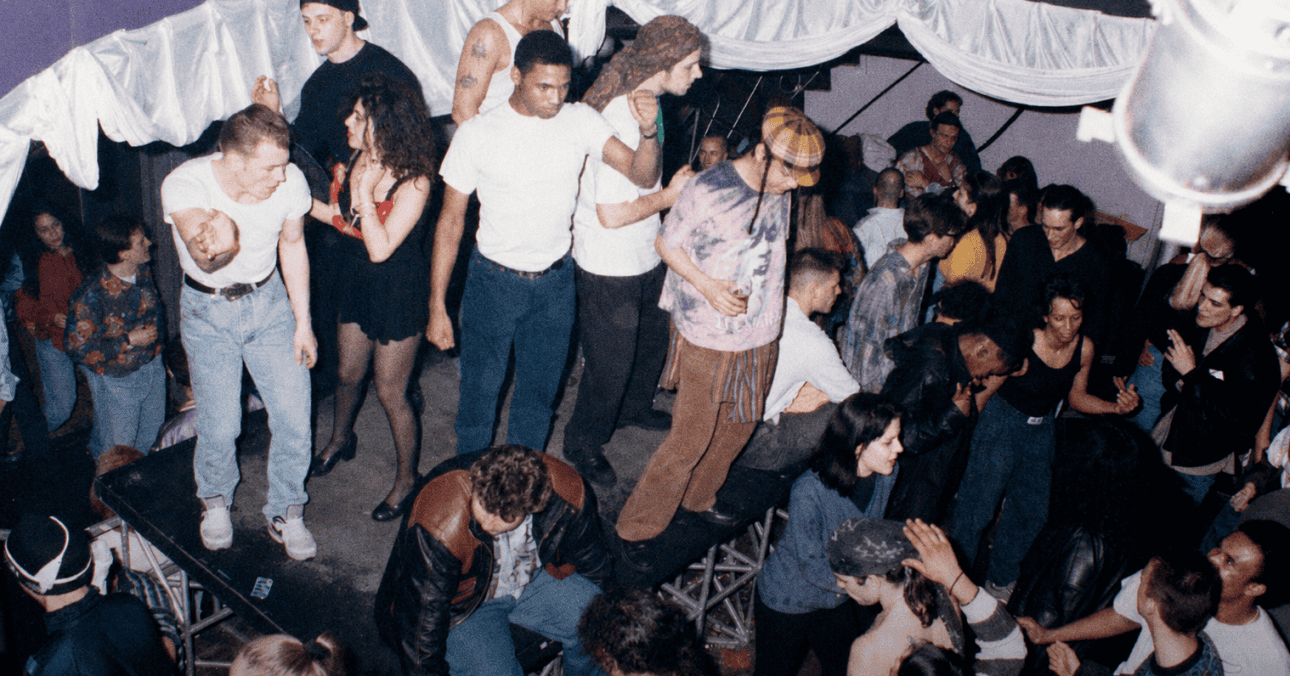
Rotterdam’s diversity also extends beyond the classroom: the city counts residents from more than 170 nationalities and has a long history as a migration and port city. That mix shows up in its food, neighbourhoods and nightlife.
5. Public transportation in Rotterdam is a breeze
When moving around the city, one can choose between various modes of transportation. Everything is accessible by tram, metro or bus.
Tickets and payment
- You can use an OV-chipkaart as a rechargeable public transport card, but it is no longer the only option and is being phased out.
- Across the Netherlands, including Rotterdam, you can now check in and out directly with your contactless debit or credit card or phone using OVpay, without buying a separate card.
- RET’s official RET app lets you buy barcode tickets and shows live departure times and disruptions.
It is still worth getting a personal OV-chipkaart or its successor if you stay longer term, as it unlocks discounts and easy subscription products, but casual travel has become simpler.
Night buses
The city again has a proper night bus network. In the nights from Friday to Saturday and from Saturday to Sunday, RET runs 13 night lines that fan out from Rotterdam Central to the surrounding districts and nearby municipalities. First departures are around 00:30 and the last runs arrive after 06:00.
This network is the successor to the old BOB-bus. The term BOB is still used in campaigns to promote a designated sober driver, but the transport product is now branded simply as the RET night bus.
Cycling remains the gold standard. Once you have a second-hand bike and a good lock, cross-town journeys often take 15 to 20 minutes and you do not depend on timetables at all.
6. Rotterdam innovates and inspires
Rotterdam likes to describe itself as a “city of doers”, and recent projects back that up.
- The Floating Farm in Merwehaven is the world’s first operational floating dairy farm, designed as a circular, local food system that can adapt to rising water levels.
- Floating Office Rotterdam in the Rijnhaven is the world’s largest floating office and the headquarters of the Global Center on Adaptation. The building is energy-positive, largely circular and designed to rise with higher water levels.
- Depot Boijmans Van Beuningen, opened in 2021 next to Museum Boijmans Van Beuningen, is the first publicly accessible art storage facility in the world. Its mirrored bowl-shape has quickly become one of Rotterdam’s best-known landmarks.
International media increasingly treat Rotterdam as a testbed for climate-adaptive urban design and floating architecture. For students in fields such as urban planning, sustainability, logistics or economics, the city doubles as a living lab: you can study major transitions in energy, food and mobility by simply looking out of the lecture hall window.
The sense that Rotterdam is still adding new layers of city every year is one of its biggest strengths. You are not just moving to a place with a long past; you are also watching its future being built in real time.