
Tucked away in Kralingen, Trompenburg Gardens & Arboretum blends nature, culture, and science in a living landscape. With historic trees, seasonal highlights, and a mission rooted in sustainability, it remains one of Rotterdam’s most quietly compelling destinations.
Trompenburg Gardens & Arboretum: where nature and knowledge meet
Located along the Honingerdijk in the green Kralingen district, Trompenburg Gardens & Arboretum is both a botanical garden and scientific collection. Spanning approximately eight hectares, the grounds house thousands of trees, shrubs, perennials, bulbs and succulents. The estate has developed over nearly two centuries, gradually transforming from a private garden into a public arboretum with recognised status and educational value.
Its living collection includes rare specimens and climate-resilient species, such as the Zelkova carpinifolia—a tree selected for its heat-resistance and suitability for future urban climates. “These are trees for the next generations,” curator Jaap Smit noted in 2023, referencing Trompenburg’s long-term vision of sustainability and climate adaptation.
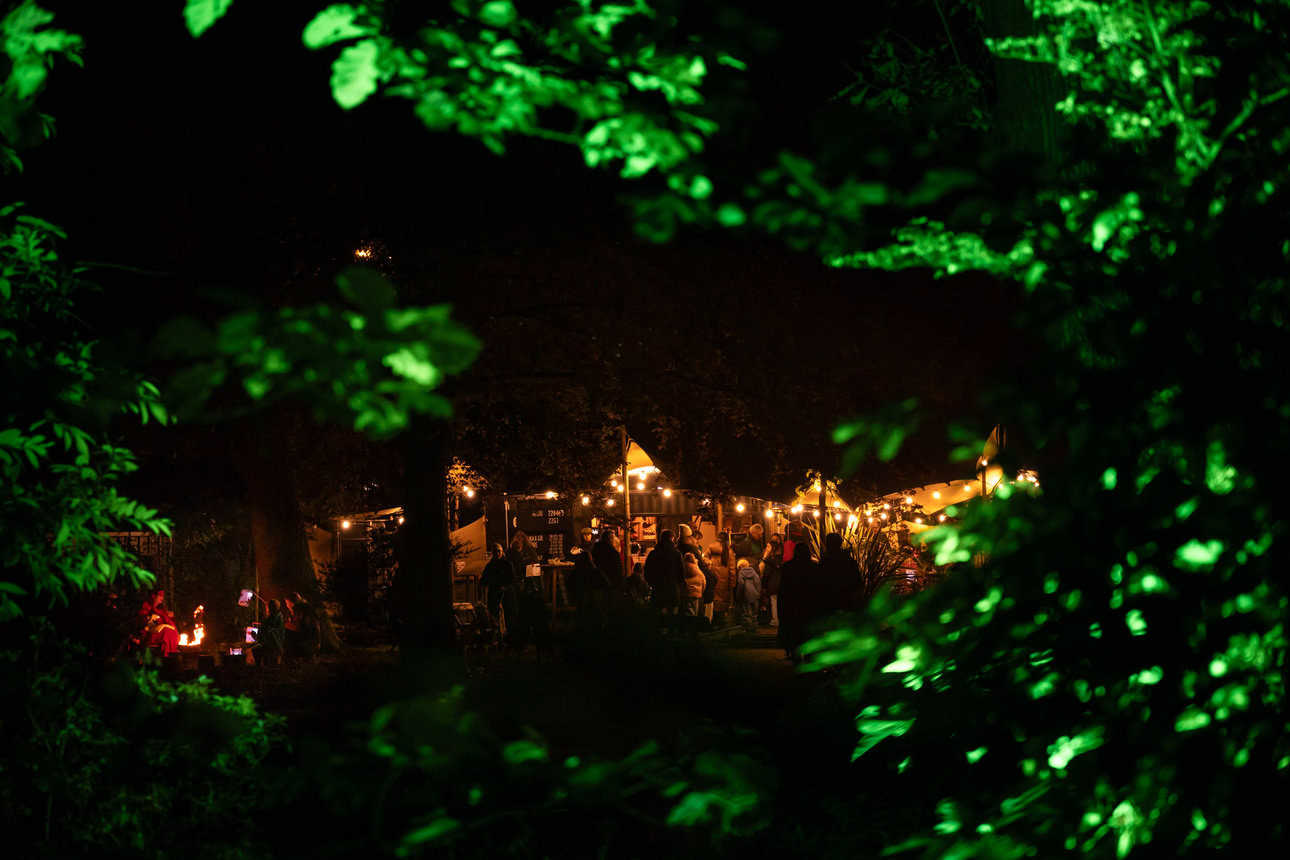
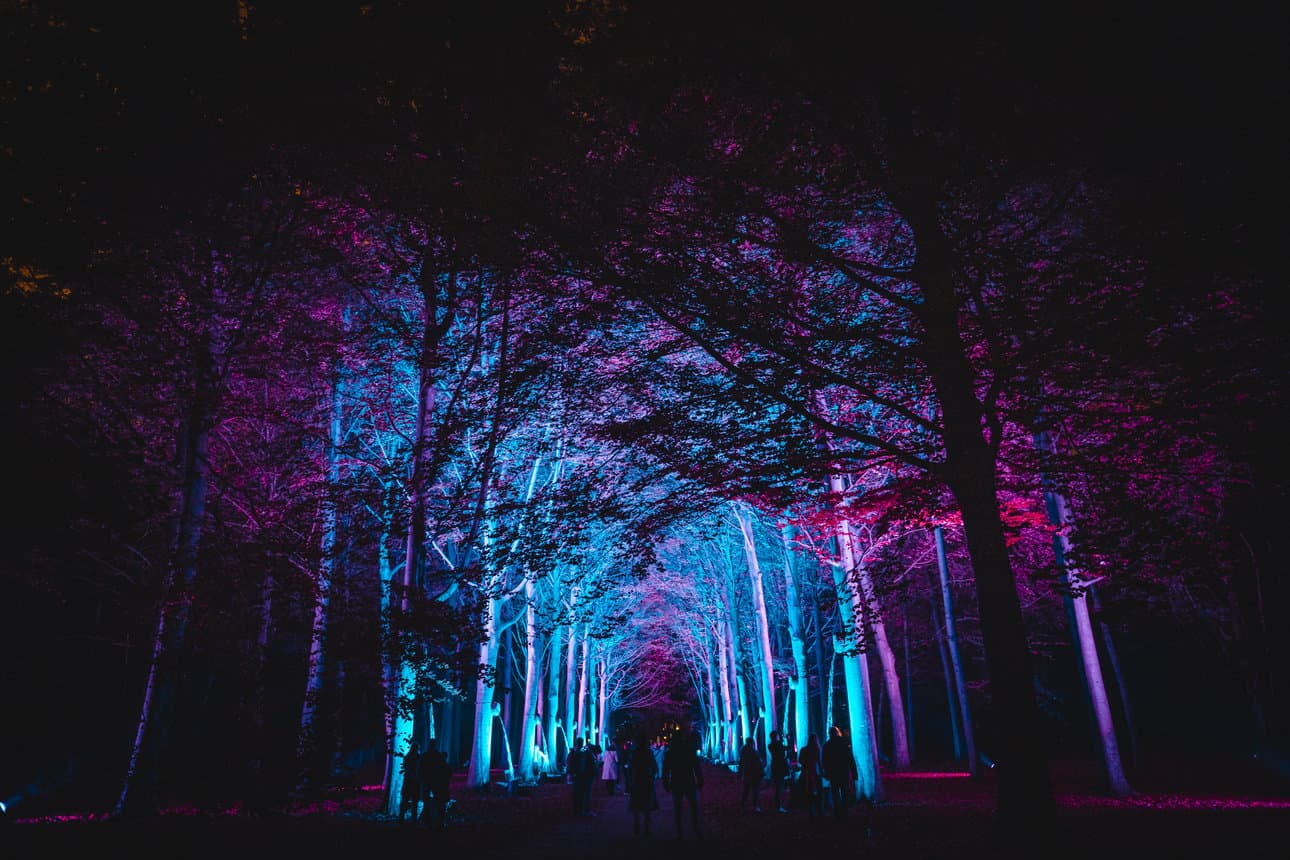
Trompenburg also keeps the gardens lively throughout the year with markets, seasonal festivals and occasional evening programmes, so it is never just a “nice walk”, it is a place where Rotterdam meets around green.
A garden for every season
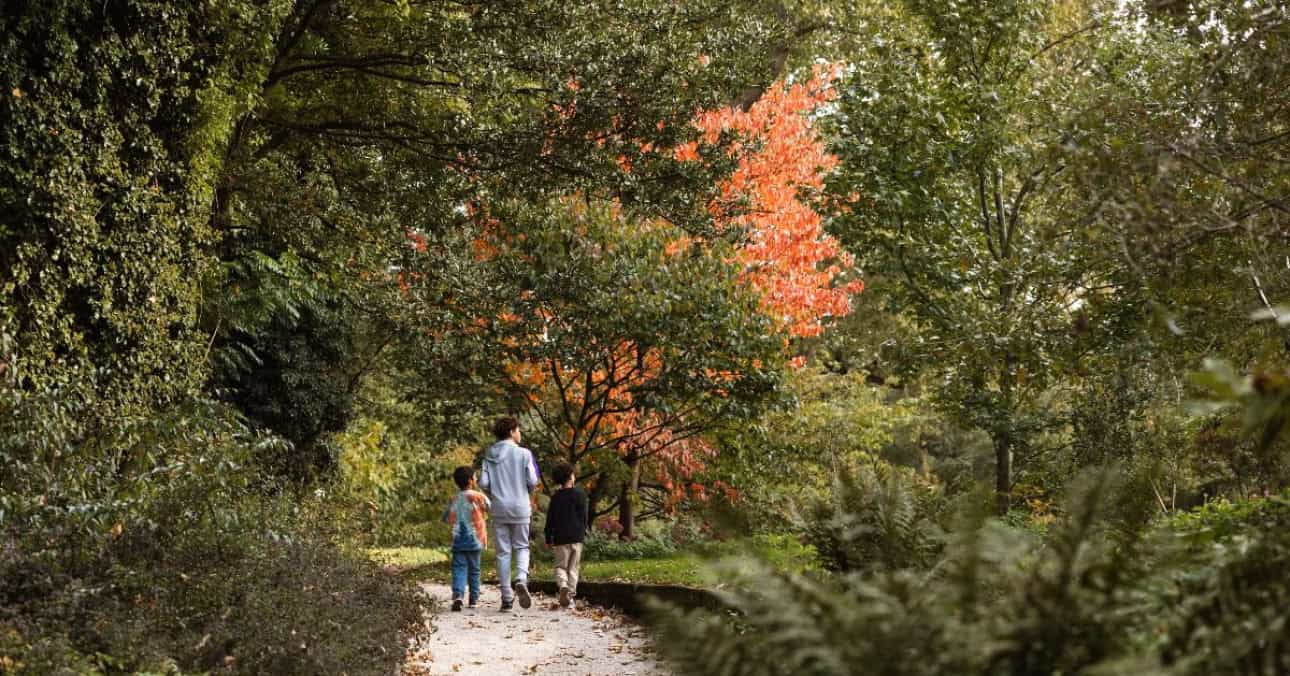
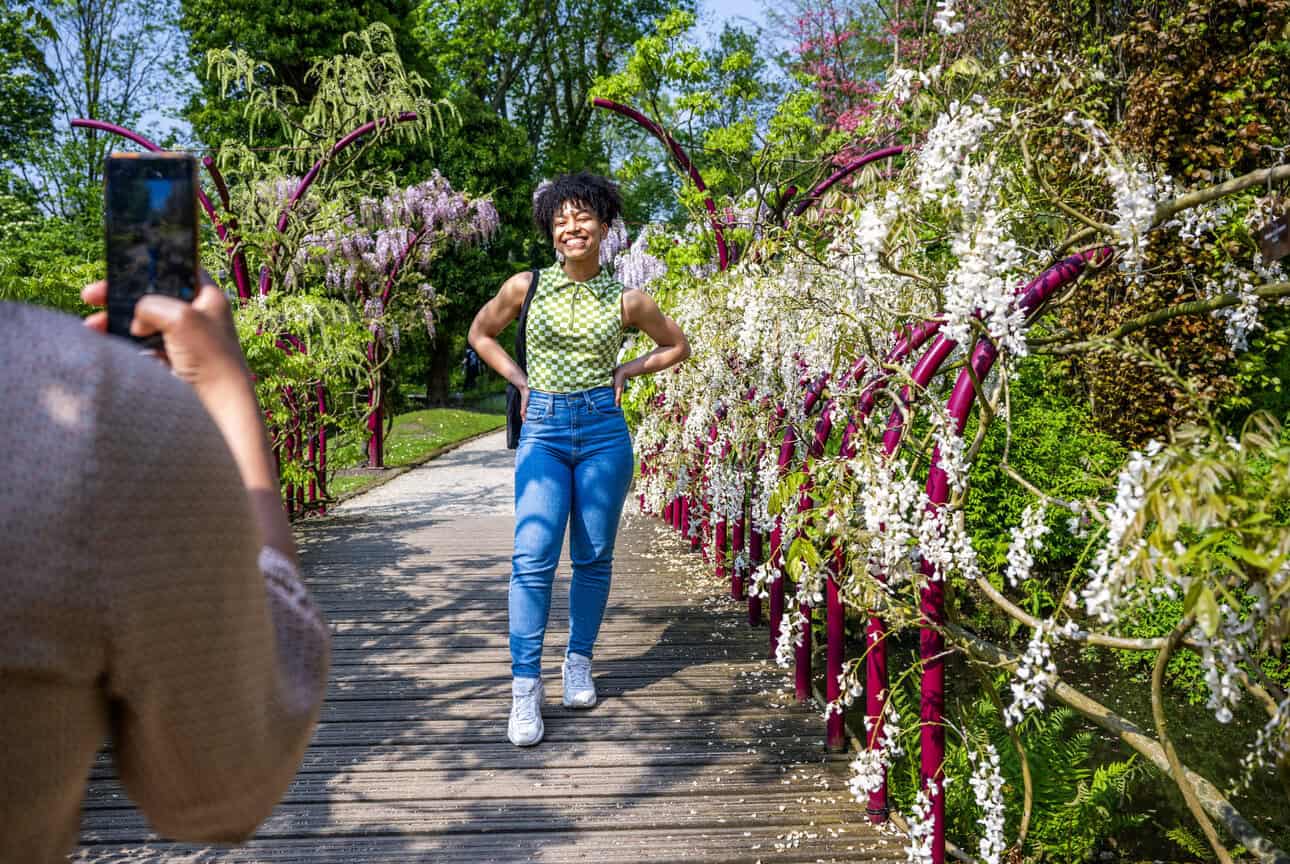
Trompenburg is designed to reflect and respond to the seasons. In spring, bulb exhibitions showcase daffodils, tulips and camellias. Summer brings out flowering trees and lush borders. Autumn is celebrated with golden leaves and annual fairs. Even in winter, the garden reveals its structural beauty and encourages peaceful walks.
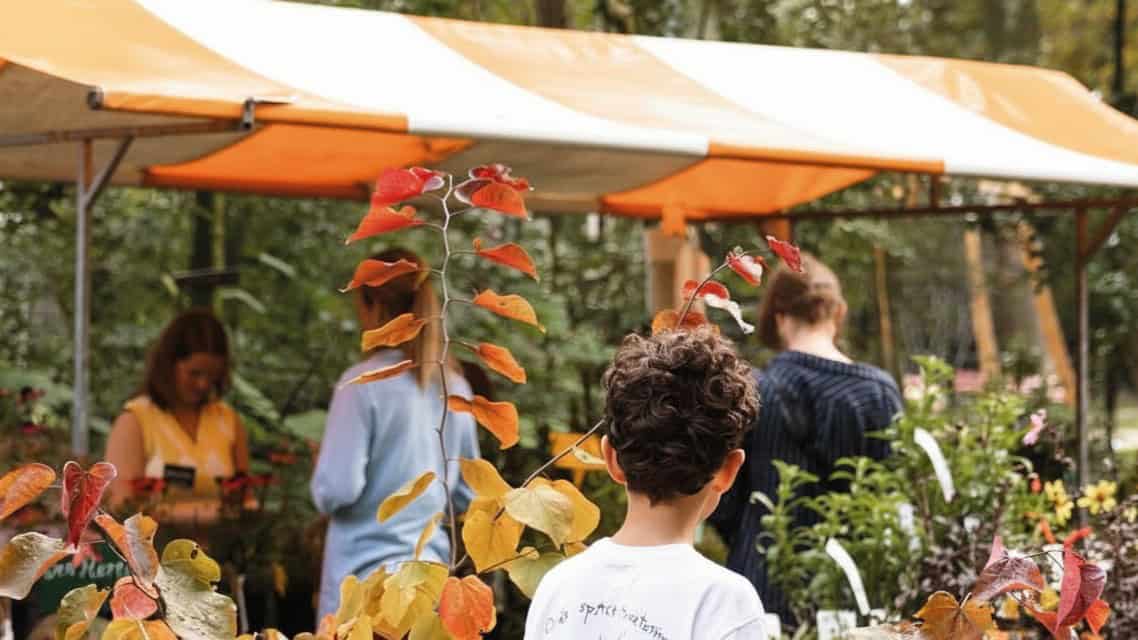
The garden calendar often includes thematic programming: the annual plant market in May attracts growers and garden lovers, while autumn brings nature walks, film screenings, and even birdwatching events. In spring, visitors are invited to take part in family-friendly activities such as bulb planting and informal workshops.
Recent editions of the calendar have included highlights like Trompenburg by Night and recurring spring and autumn markets. In particular, Trompenburg by Night gives the gardens a very different feel as the sun goes down and the paths turn into a gentle evening route.
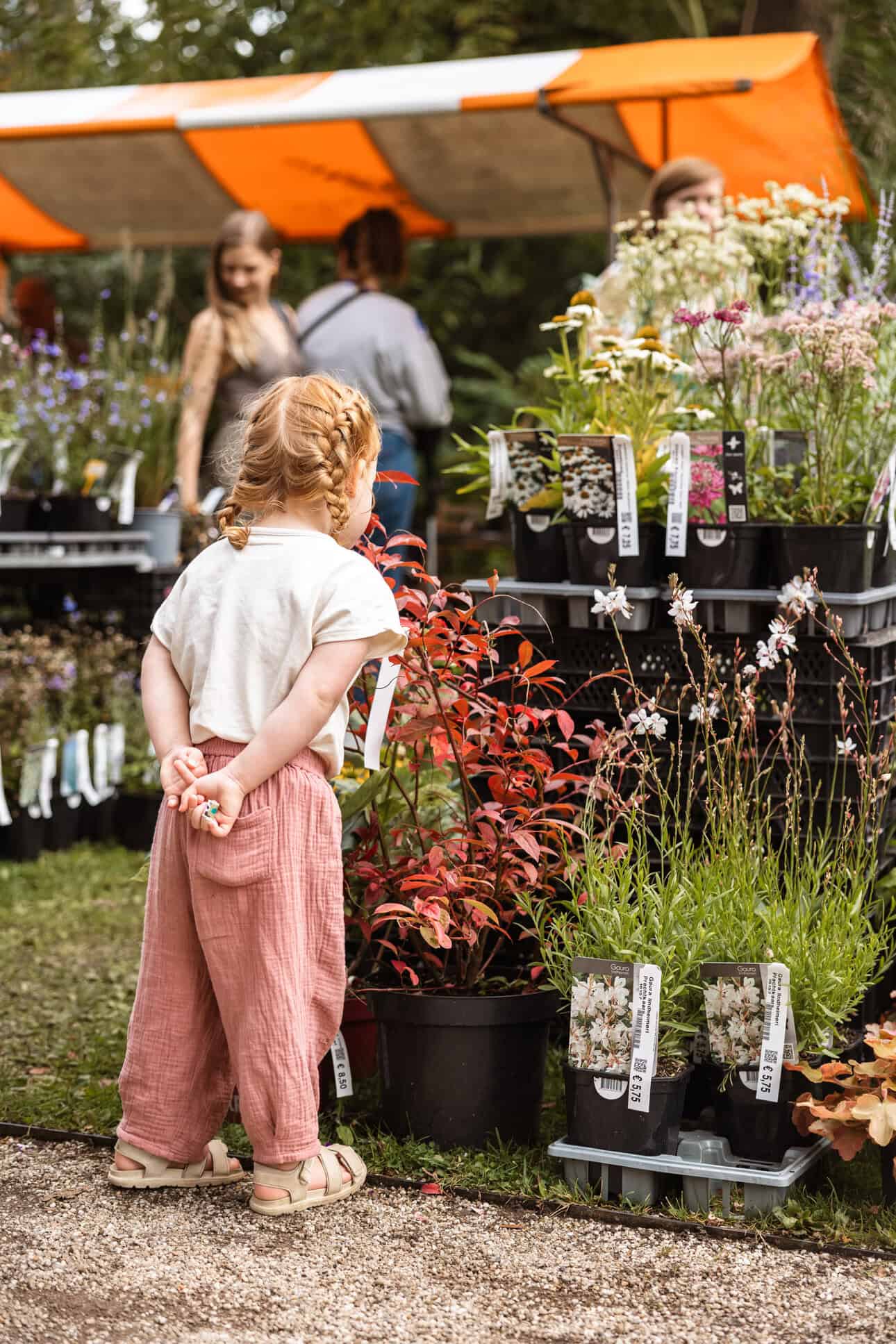 Plant market at Trompenburg in Rotterdam. Photo credit: Klik Klak Fotografie
Cultural programming in a natural setting
Over the years, Trompenburg has also embraced its role as a cultural space. A recurring feature is De Maaltuin, a pop-up dining concept that merges storytelling, guided walks and fine dining across the garden. Guests follow a narrative route while enjoying a five-course meal inspired by the setting.
Beyond De Maaltuin, Trompenburg regularly teams up with cultural partners across the city, with programmes that range from exhibitions to live music. Musique Botanique is a good example, bringing concerts into the garden setting as part of wider Rotterdam festival line-ups.
In recent years, more artistic and sensory offerings have emerged: audio tours for the visually impaired, botanical exhibitions, and collaborations with musicians and storytellers. These initiatives have expanded the garden’s appeal without compromising its botanical integrity.
Infrastructure rooted in sustainability
In September 2024, Trompenburg unveiled a redesigned entrance and green café terrace. The update was part of an effort to make the gardens more inviting, accessible, and climate-conscious. Rainwater reuse, green roofing, and locally sourced materials played a central role in the development. A new circular footpath now improves visitor flow, and the Flora café offers a modest menu in a verdant setting.
According to city officials, the renovation reflects a broader trend of embedding sustainability into public-facing infrastructure. The café and terrace now serve as a social anchor—particularly for visitors arriving on foot or by bicycle.
 Entrance to Trompenburg Gardens & Arboretum in Rotterdam
Community and education
Trompenburg’s participation in the “Make it Happen” initiative highlights its commitment to urban engagement. By hosting hands-on workshops, guided plant tours, and open-air lectures, the garden invites Rotterdammers to participate in the city’s broader sustainability goals.
Education is a big part of that mission too: school groups visit the gardens to learn about plants, biodiversity and how urban nature actually works in practice. There are also hands-on workshops that connect the collections to food, soil and seasonal growing.
Special events—such as the Cactus FestivalCactus Festival and the Autumn Fair—offer opportunities for local producers, small-scale gardeners, and botanical enthusiasts to meet and exchange knowledge. Visitors often cite the informal and approachable nature of these gatherings as a welcome contrast to more formal institutions. Another well-loved event at Trompenburg is its annual Christmas market.
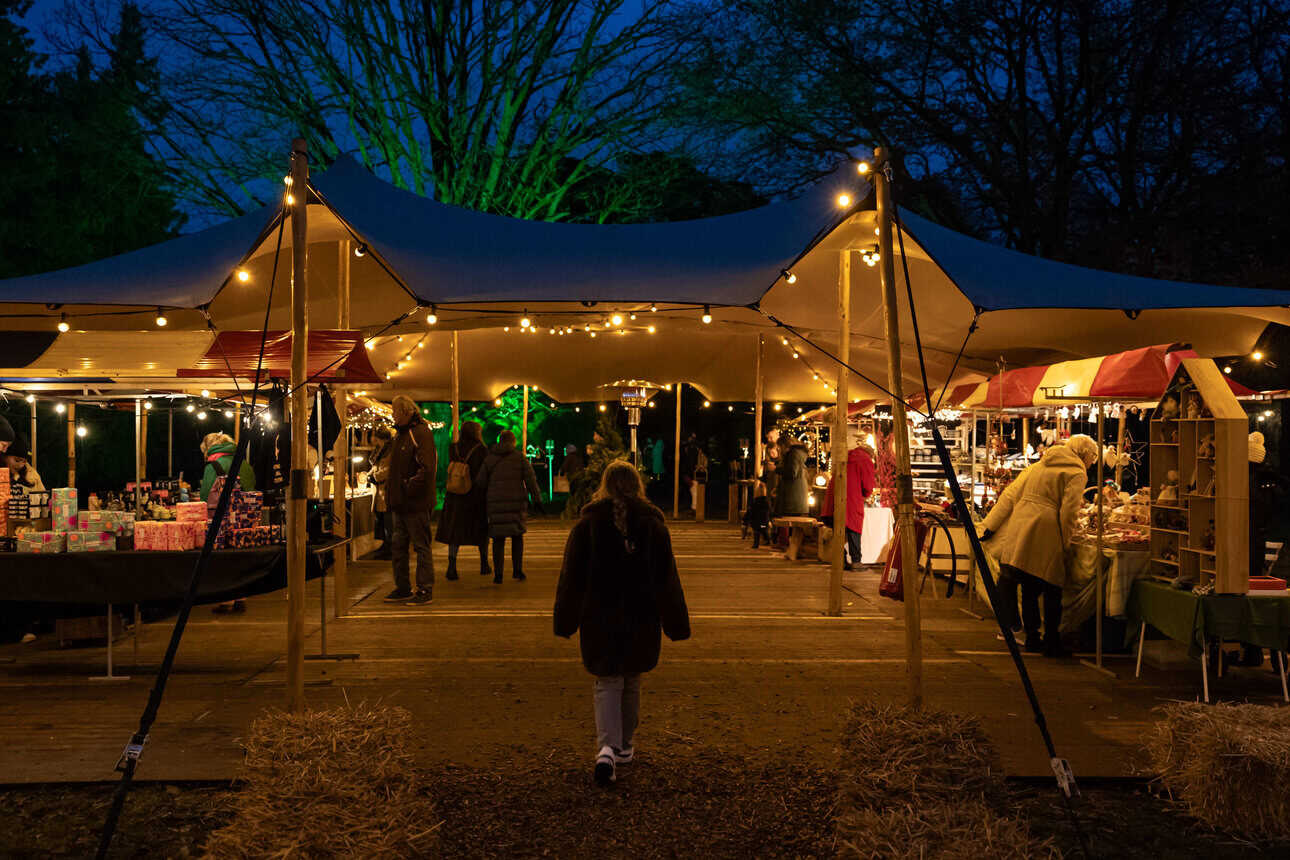 Christmas market at Trompenburg in Rotterdam
A living archive and a refuge for the future
As Rotterdam becomes more densely built, Trompenburg provides both refuge and relevance. The arboretum contributes to national seed banks, climate-resilient landscaping research, and local greening policies. It also serves as a quiet reminder that ecological care must be grounded in long-term thinking.
At the same time, Trompenburg is making its knowledge easier to access, by bringing more of its collection data into digital tools that support learning and exploration. It is another way the gardens function as both a refuge and a working archive.
Whether one visits to explore tree species, attend a seasonal market, or simply take a walk, the gardens offer something more enduring: the chance to observe, reflect and reconnect with a living landscape shaped by both time and intention.
Getting there
Directions and surroundings
Trompenburg Gardens & Arboretum is located in Kralingen, one of Rotterdam’s greenest and most established districts. The garden lies near Erasmus University and can be reached by tram, bus, or bicycle. It is situated just beyond the bustle of the city centre, in an area characterised by leafy streets and calm waterways.