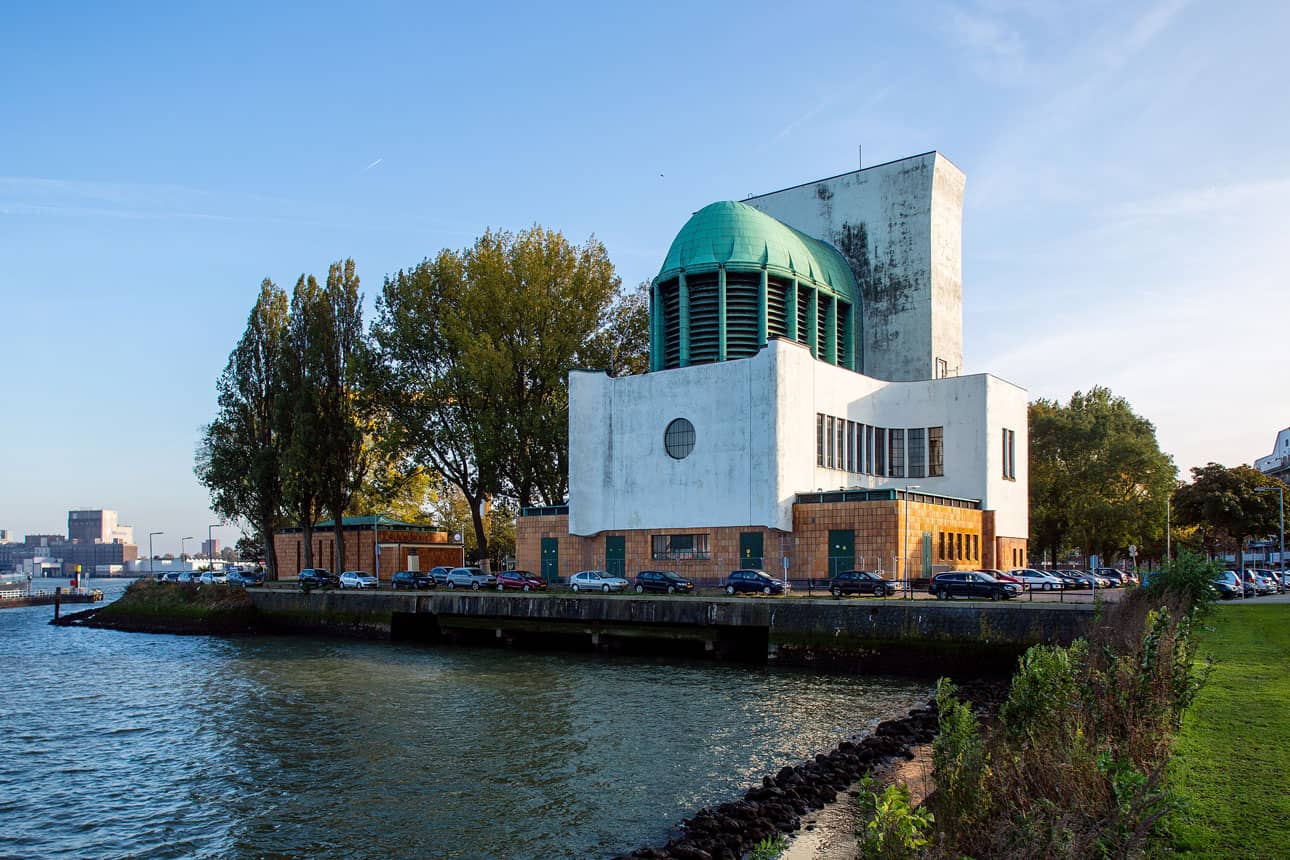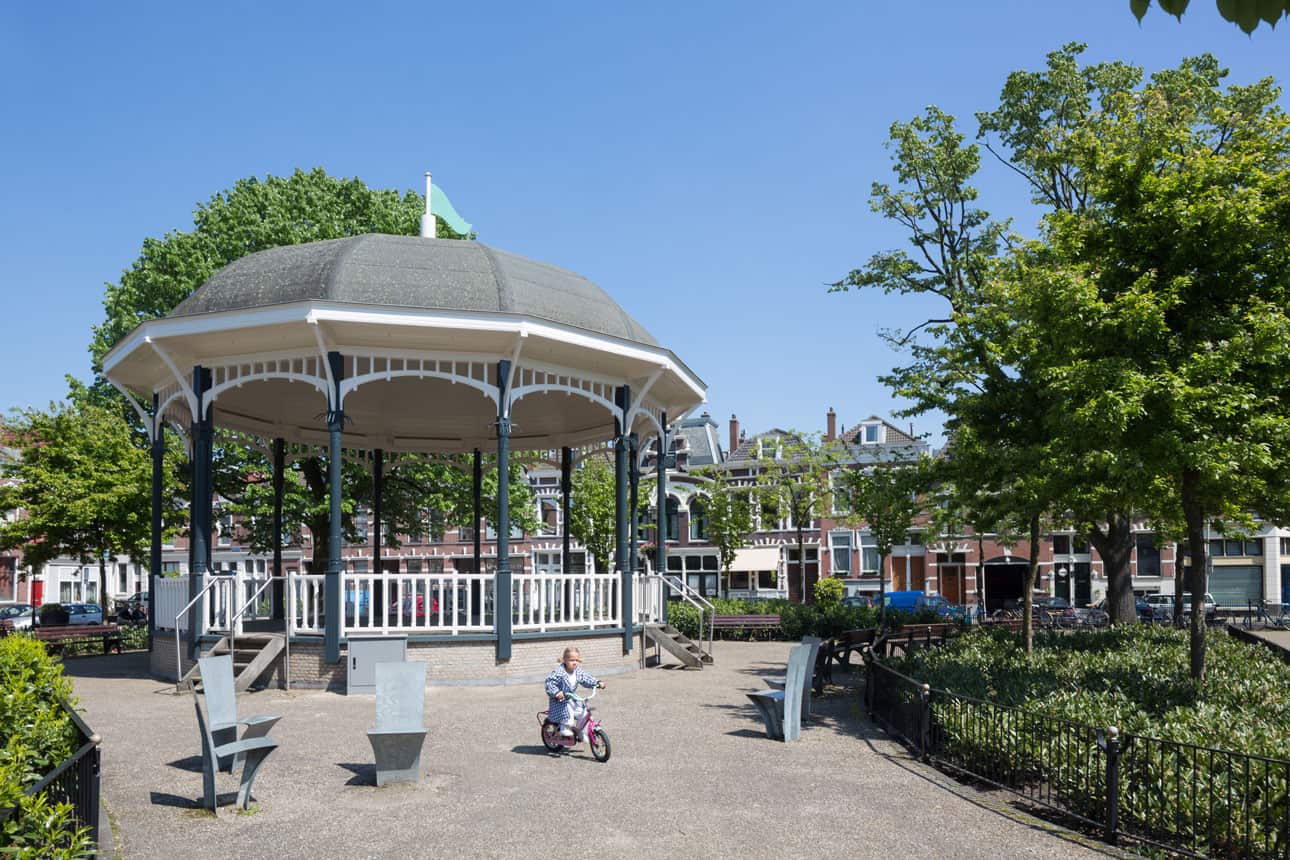

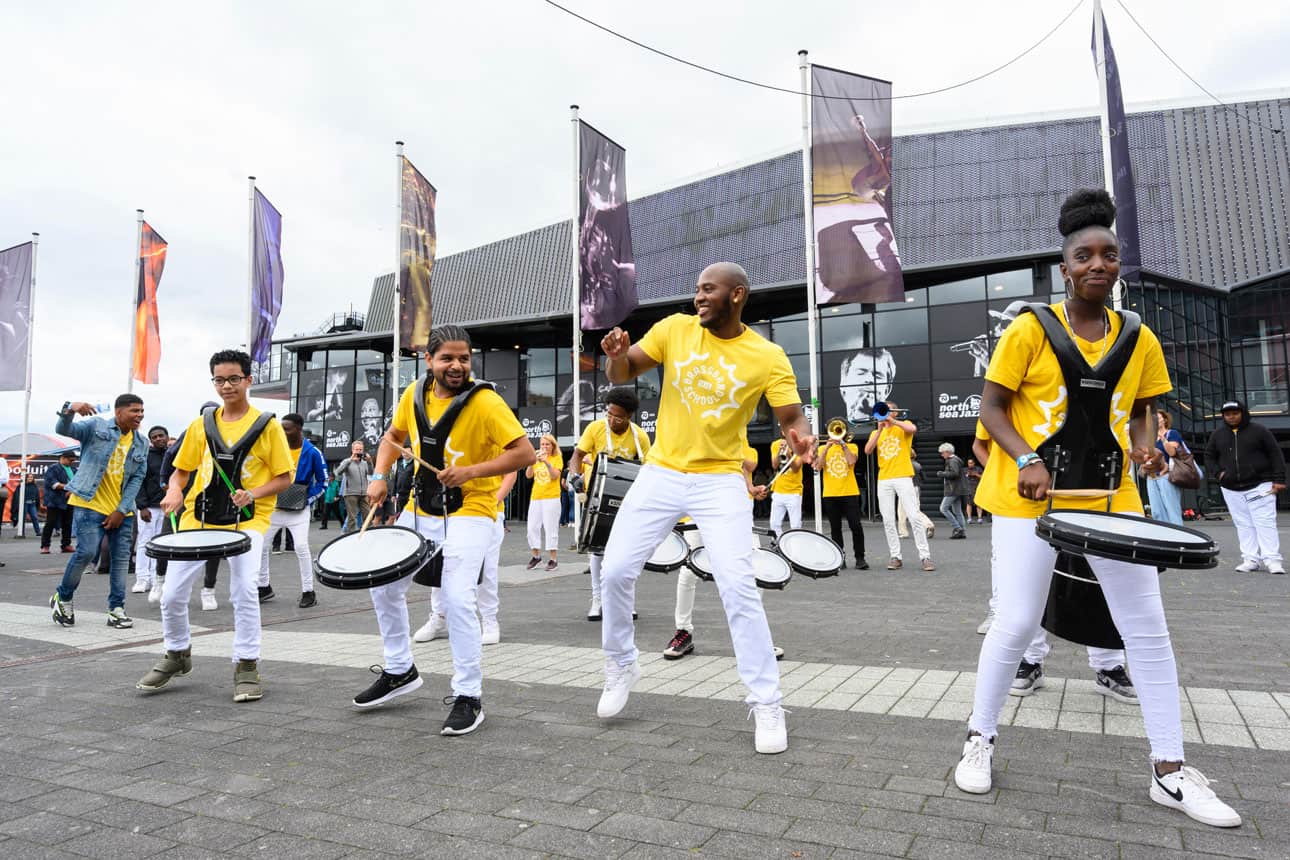
Charlois is one of Rotterdam’s most varied areas: historic, green, working-class, creative and unmistakably South. Spread across neighbourhoods such as Oud-Charlois, Carnisse, Tarwewijk, Zuidplein, Pendrecht, Zuidwijk, Wielewaal and Heijplaat, it combines old village streets, post-war housing, major shopping and event facilities, parks, artists’ studios and harbour edges.
Photo credit: Hans Tak.
History
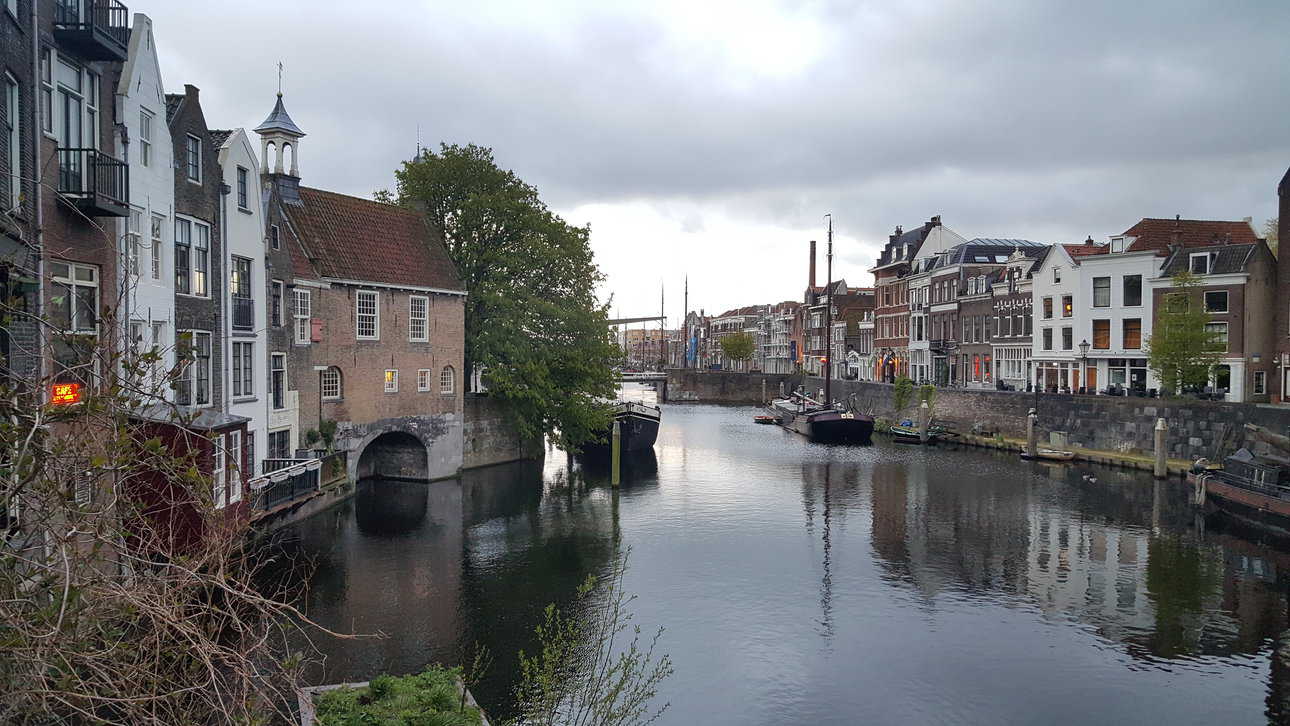
Charlois is older than many visitors expect. The year 1462 is usually seen as its founding year, when Charles the Bold recorded that the area would be called Charollais and that a church dedicated to Saint Clement should be built. Around that church, an agricultural village grew. Charlois remained a separate municipality until 1895, when it was annexed by Rotterdam as the city expanded its harbour activities on the south bank of the Maas.
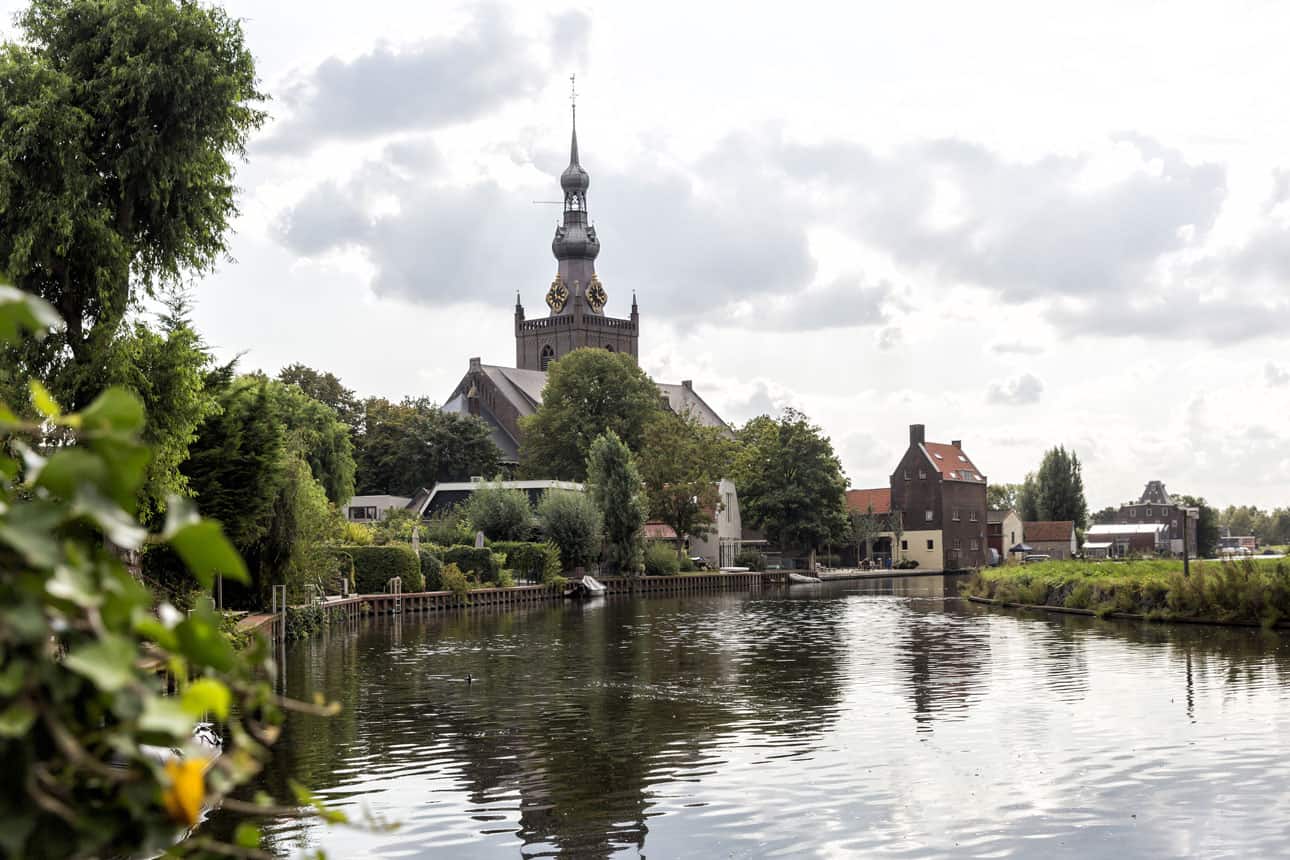
You still feel that village history most clearly in Oud-Charlois. Around the Charloisse Kerksingel, small streets, older houses and the church setting give the area a different rhythm from the busier parts of Rotterdam-Zuid.
Landmarks and green spaces
The Oude Kerk is one of the best-known historic sights in Charlois, but its story needs a little nuance. The church site goes back to the medieval origins of Charlois, while the present building includes a 1660 tower and a nave from 1868. Nearby, Molen De Zandweg on the Kromme Zandweg is another reminder of the area’s rural past. The corn mill dates from 1723 and is still one of Charlois’ most recognisable monuments.
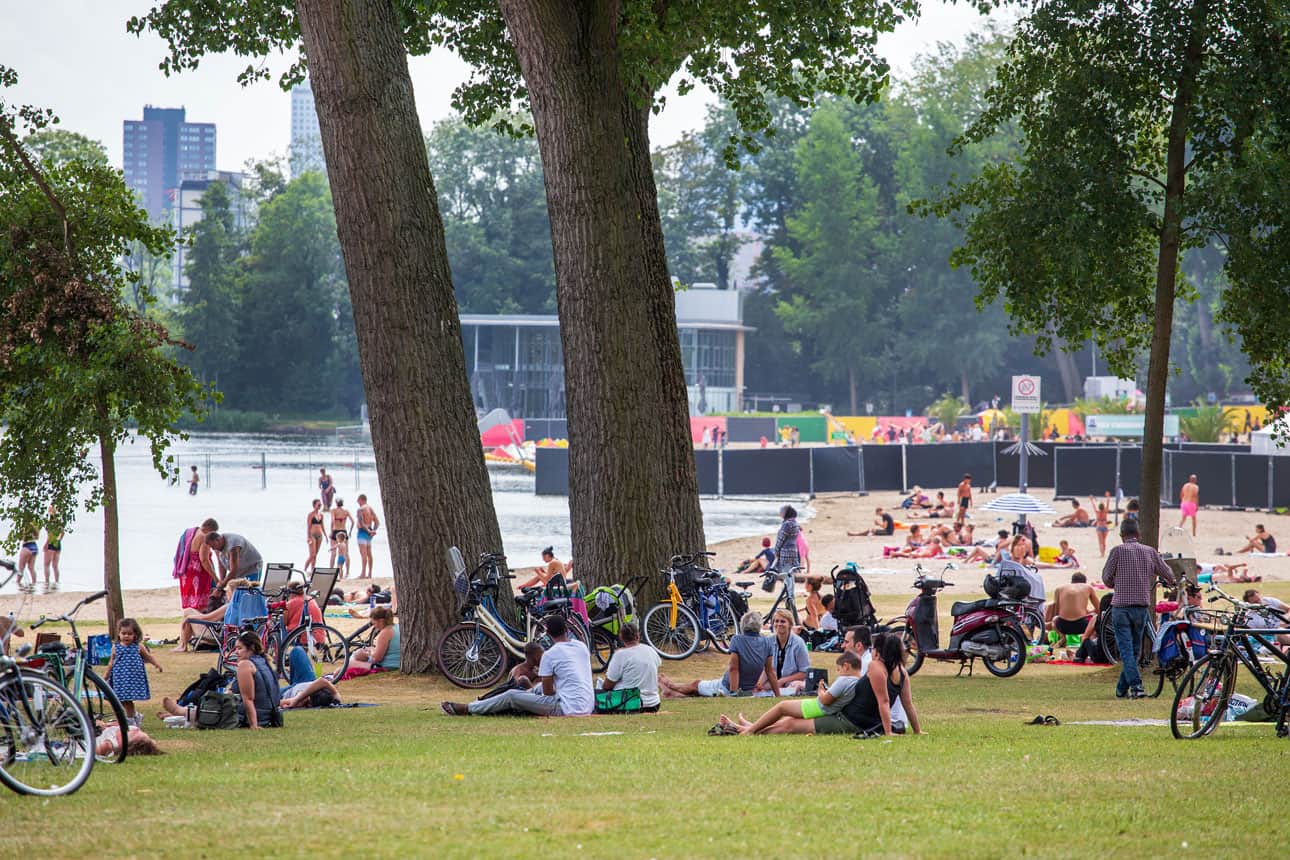
Charlois is also greener than many people realise. The Zuiderpark forms a huge green buffer through Rotterdam-Zuid and borders several Charlois neighbourhoods. It is a practical everyday park, used for sport, walking, festivals, family outings and simply getting some air.
Housing and everyday life
Charlois has a mixed housing stock, from older portiekwoningen and social housing to family homes, apartments and new developments. Compared with many central and northern parts of Rotterdam, it remains relatively accessible, although prices and rents have risen across the city. Recent figures list more than 70,000 residents in Charlois and an average WOZ value that remains below the city’s higher-priced neighbourhoods.
The area is also changing. In Wielewaal, old emergency housing is being replaced by a new mix of up to 807 rental and owner-occupied homes. In Carnisse and Tarwewijk, housing quality, liveability and public space remain important themes in Rotterdam’s wider work on Zuid.
Shopping, culture and entertainment
Zuidplein is the commercial heart of Charlois and one of the busiest hubs in Rotterdam-Zuid. The shopping centre has more than 160 shops and food outlets, and the wider Hart van Zuid area around Zuidplein and Ahoy has been transformed with a new theatre, library, swimming pool, bus station, hotel, homes and improved public space.
Charlois also has a serious creative side. Oud-Charlois has long attracted artists, studio initiatives and cultural makers. C 3-studios on the Huismanstraat has added a major new cultural address, with dozens of studios and more than 100 makers. Nieuw Charlois, a platform for art and design, is now based there too.
Food and going out
With its multicultural population, Charlois offers a broad mix of cafés, eateries, bakeries, takeaways and neighbourhood restaurants. You can find Surinamese, Turkish, Dutch, Middle Eastern and other international flavours across the district, especially around Zuidplein, Carnisse, Tarwewijk and Oud-Charlois. It is not polished in the way some central neighbourhoods are, and that is part of the appeal: Charlois feels lived-in, local and full of contrasts.
What to watch next
The coming years will make Charlois even more interesting. Hart van Zuid continues to reshape the Zuidplein area, Wielewaal is being rebuilt, and the planned Nelson Mandelapark in the Maashaven will add a major new green space for Rotterdam-Zuid. For readers who want to understand Rotterdam beyond the postcard skyline, Charlois is one of the best places to start.